An Open Bible: Simple Steps for Daily Scripture Study
Maintaining an open Bible on your desk or nightstand is more than just a decorative choice; it is an invitation to engage with ancient wisdom daily. When you commit to regular time in the text, you move beyond casual reading toward a deeper, transformative understanding of faith.
This practice helps you build a consistent rhythm of reflection that bridges the gap between historical writing and your current life. By learning how to approach the pages with patience and curiosity, you will find that even a few minutes of focused attention can clarify your perspective and provide practical guidance for the challenges you face each week.
A Simple Method for Personal Study
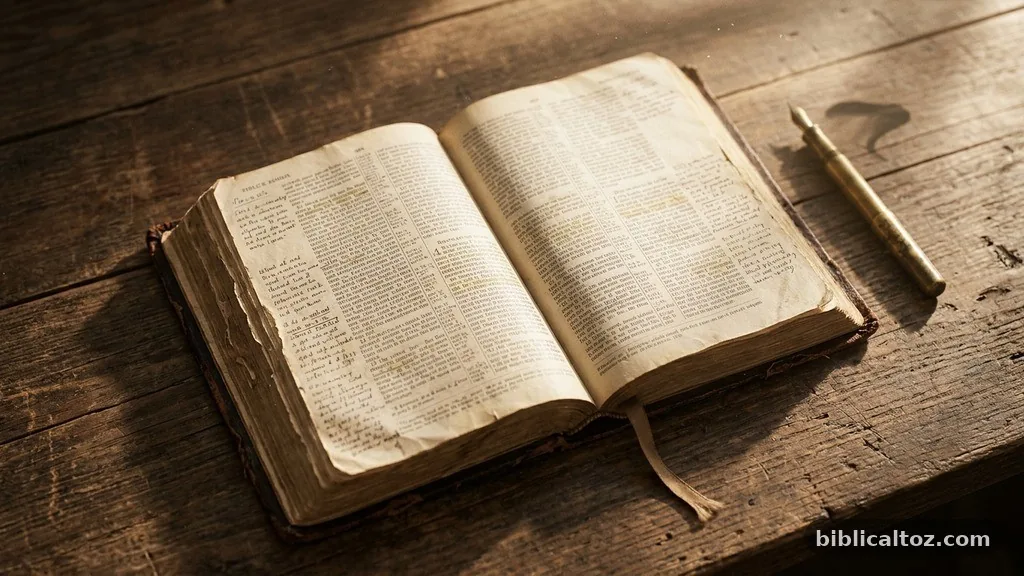
You do not need a degree in theology to gain value from your time in the text. Using a structured approach helps you avoid confusion and keeps your focus on the message itself. Take James 1:19–27 as an example to practice these five essential steps:
- Observe: Read the passage slowly. Look for repeated words, commands, or subjects. In James 1:19, the writer emphasizes being quick to hear and slow to speak.
- Contextualize: Ask who wrote it and to whom. James is writing to believers, encouraging them to put their faith into action rather than just listening to words.
- Interpret: Determine the main point. The passage teaches that true religion involves controlling one’s speech and caring for those in need.
- Correlate: Compare this verse with other parts of the text. Look for passages in the Gospels where Jesus discusses similar themes of love and action.
- Apply: Ask yourself what one specific change you can make today. Perhaps you choose to listen more intentionally in your next conversation.
Essential Tools for Your Study
Equipping yourself with a few basic resources can make your time more productive. You do not need expensive software, but having a consistent set of tools helps you track your progress.
| Tool | Purpose |
|---|---|
| Journal or Notebook | Recording thoughts, prayers, and insights. |
| Reading Plan | Providing structure so you aren’t guessing what to read. |
| Reference Bible | Using maps and cross-references for better context. |
When choosing a translation, look for one that balances accuracy with readability. The King James Version is a traditional, public-domain option, but many readers also appreciate modern translations that clarify ancient idioms. The most important factor is finding a version you will actually read consistently.
Tailored Advice for Every Reader

Everyone approaches their study differently depending on their current season of life. If you are just starting out, keep your sessions short—perhaps ten minutes a day. Consistency matters more than the volume of text you cover.
Families can benefit from reading a single verse aloud over breakfast, while those returning to the practice after a long break might find comfort in starting with the Psalms or the Gospel of Mark. Always remember that your goal is engagement, not completion.
Common Misconceptions
Many beginners believe that simply letting their book fall open to a random page provides an immediate, prophetic answer to a problem. While God can certainly use any verse to speak to your heart, this method often ignores the surrounding context and the original purpose of the writing. Treating the text like a magic eight-ball can lead to misunderstanding or misapplying instructions meant for a different historical audience.
Instead of relying on chance, commit to reading a full chapter or a complete thought. Understanding the genre—whether it is poetry, history, or a letter—is the best way to ensure you are interpreting the words accurately and responsibly.
Frequently Asked Questions
What if I do not understand what I am reading?
It is perfectly normal to find certain passages difficult. When you encounter a challenging section, move to a different book or look for a commentary that explains the historical background.
How much time should I spend studying each day?
Start with whatever time you can realistically sustain, even if it is only five or ten minutes. The quality of your focus is far more important than the duration of your reading.
Do I need to read the entire book from start to finish?
Not necessarily. While reading a book in its entirety provides the best context, many people find success using a topical approach to address specific areas of their life.
Is it better to read in the morning or the evening?
There is no right answer here. Choose the time when you are least likely to be interrupted and can give your full attention to the text.
Cultivating a Consistent Habit
Building a habit of returning to an open Bible is a lifelong journey. It is not about reaching a destination but about staying connected to the source of your faith through daily interaction with scripture. If you miss a day, do not be discouraged; simply pick up where you left off the next time you have a quiet moment.
By keeping your heart and mind ready to learn, you turn a simple daily habit into a foundation for your walk with God. We encourage you to visit BiblicalToZ.com for more resources as you continue to explore the richness of the text. Staying consistent will pay dividends in your personal growth and clarity of purpose.