Nehemiah in the Bible: Leadership, Faith, and Restoration
When you look at the historical accounts of the Old Testament, the story of Nehemiah in the Bible stands out as a powerful example of faithful leadership and spiritual renewal. Serving as a cupbearer to the Persian King Artaxerxes, Nehemiah was far from his ancestral home when news reached him of the crumbling state of his people.
His immediate response was not to despair, but to pray and seek a way to rebuild the broken defenses of his city. This narrative provides an enduring look at how one person’s dedication to God can spark a transformation for an entire nation.
The Call to Rebuild Jerusalem
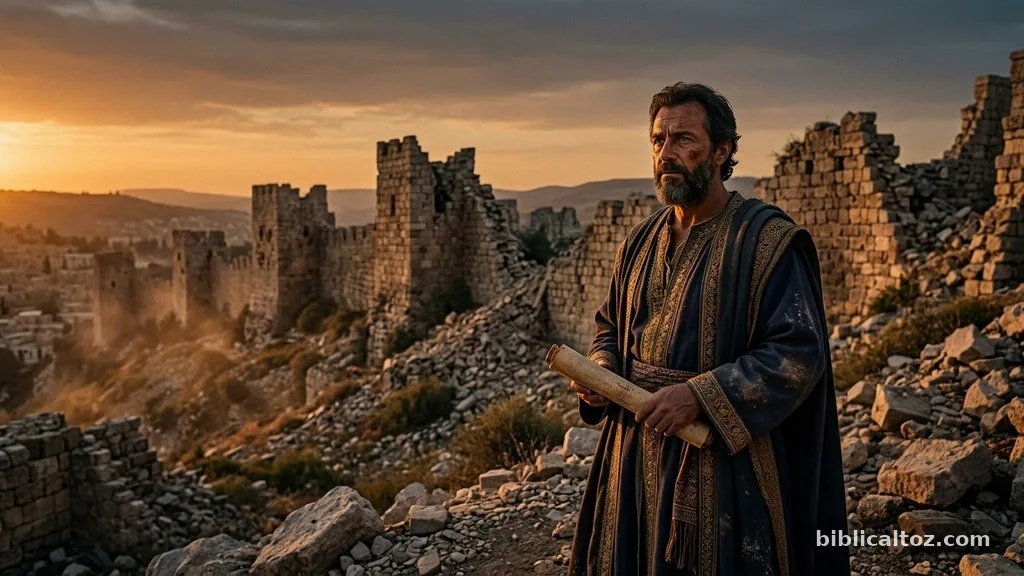
The account begins in Susa, where Nehemiah learned that the wall of Jerusalem was broken down and its gates were burned with fire. This news devastated him, as the city was the heart of his cultural and religious identity. He spent days mourning, fasting, and praying, acknowledging the sins of his ancestors while asking God for favor in the eyes of the king.
His position as a servant to the king gave him unique access, but it also carried risks. When the king noticed his sadness and asked for the cause, Nehemiah offered a quick prayer before speaking.
He requested leave to travel to his homeland to oversee the reconstruction. Because God was with him, the king granted his request, providing letters of safe passage and timber for the project.
Organizing the Work
Upon arriving in Jerusalem, Nehemiah did not immediately announce his plans. He conducted a secret midnight inspection of the ruins to understand the scope of the labor required. Once he had a clear vision, he rallied the local leaders and the people to begin the work.
The project was divided among various families and groups, ensuring that everyone had a stake in the restoration. This collaborative approach was essential, as the city was vast and the opposition was fierce. The following table highlights the different roles individuals played during this period of construction:
| Role | Responsibility |
|---|---|
| Nehemiah | Visionary leadership and project oversight |
| Priests | Repairing the areas near the temple and sheep gate |
| Families | Rebuilding sections of the wall near their own homes |
| Watchmen | Defending the workers from outside threats |
Overcoming Opposition
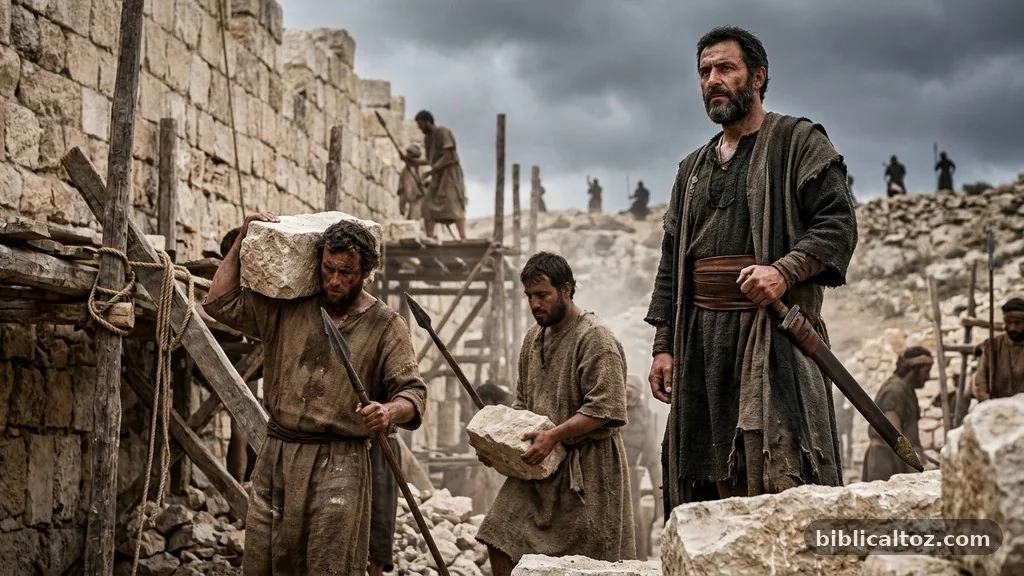
The work was not without significant conflict. Local adversaries, such as Sanballat and Tobiah, mocked the efforts and eventually threatened physical violence. Nehemiah responded by arming the workers; half performed the construction while the other half held spears, shields, and bows.
He encouraged the people to keep their eyes on the goal, reminding them that their efforts were supported by the power of heaven. This period of intense labor lasted only 52 days, a feat that shocked surrounding nations. It served as a testament to the effectiveness of organized, prayerful, and persistent effort when people unite for a common purpose.
Spiritual Renewal and Ezra
Rebuilding the wall was only the first step. Nehemiah recognized that the people needed a renewed commitment to the law of God.
He worked closely with Ezra, the scribe, to read the Law to the gathered assembly. As the scriptures were read and explained, the people experienced a deep sense of repentance and joy.
- Public confession of sins.
- Reading of the Law to the entire assembly.
- Celebration of the Feast of Tabernacles.
- Establishing a covenant to follow God’s commands.
- Dedication of the wall with songs and sacrifices.
This period emphasized that true restoration is not just about physical structures but about the hearts of the people. By returning to the foundational teachings of their faith, they established a foundation that would sustain their community long after the walls were completed.
Frequently Asked Questions
What is special about Nehemiah in the Bible?
Nehemiah is unique because he transitioned from a high-ranking government official to a hands-on project manager. His reliance on prayer before every decision and his ability to motivate a discouraged population remain core lessons for modern leadership.
Where do you find Nehemiah in the Bible?
You can find his story in the Book of Nehemiah, which is located in the Old Testament, immediately following the Book of Ezra. It is part of the historical books that document the return of the Jewish people from the Babylonian exile.
Was Nehemiah a prophet?
While Nehemiah played a vital role in restoring the temple worship and the city walls, he is traditionally classified as a governor and a leader rather than a prophet. He worked in tandem with prophets and priests like Ezra to guide the people back to obedience.
What is the main message of the book?
The central theme is that God restores what is broken through the faithful cooperation of His people. It highlights how prayer, planning, and perseverance can overcome seemingly impossible obstacles when done in alignment with God’s purpose.
What does Nehemiah 9:17 say?
This verse recounts the history of Israel, noting that even when the people were rebellious and forgot the wonders God had performed for them, God remained a forgiving, gracious, and merciful deity who was slow to anger and abounding in steadfast love.
Conclusion
The account of Nehemiah in the Bible demonstrates that God often uses ordinary people to accomplish extraordinary tasks. Whether you are facing personal challenges or seeking to contribute to a larger community project, the principles of prayerful planning, courageous action, and spiritual focus remain relevant today.
Nehemiah’s life shows that when we align our work with God’s timing and seek His guidance, we can overcome significant opposition and see restoration in our own lives. As you reflect on his journey, consider how you might apply these lessons to your own circumstances, trusting that you are never working alone when you follow the path set before you.