Moon Symbolism in the Bible: Meaning, Significance & Verses
When looking at the night sky, it is easy to see why the moon symbolism in the bible captures our attention. Throughout the pages of Scripture, the moon is rarely treated as a mere celestial object; instead, it serves as a powerful pointer to the order, majesty, and sovereignty of God.
By examining these passages, you will better understand how ancient writers used the heavens to communicate spiritual truths about light, time, and the relationship between the Creator and His creation. This overview provides the clarity needed to interpret these images within their original context, helping you move past modern speculation toward a grounded, biblical perspective.
What Does Moon Symbolism in the Bible Mean?
In the biblical worldview, the moon is primarily a witness to God’s faithfulness and a marker of time. It is not an object of worship, but a reflection of the Creator’s design. The primary associations include the regulation of sacred seasons, the manifestation of God’s glory in the darkness, and, in prophetic literature, the representation of human instability or the cosmic signs accompanying divine judgment.
Moon Symbolism in the Bible in the Old Testament
The Old Testament provides the foundation for understanding how the moon functions as a sign of God’s covenantal care.
Bible Reference: Genesis 1:16
Biblical Context: The Creation Account
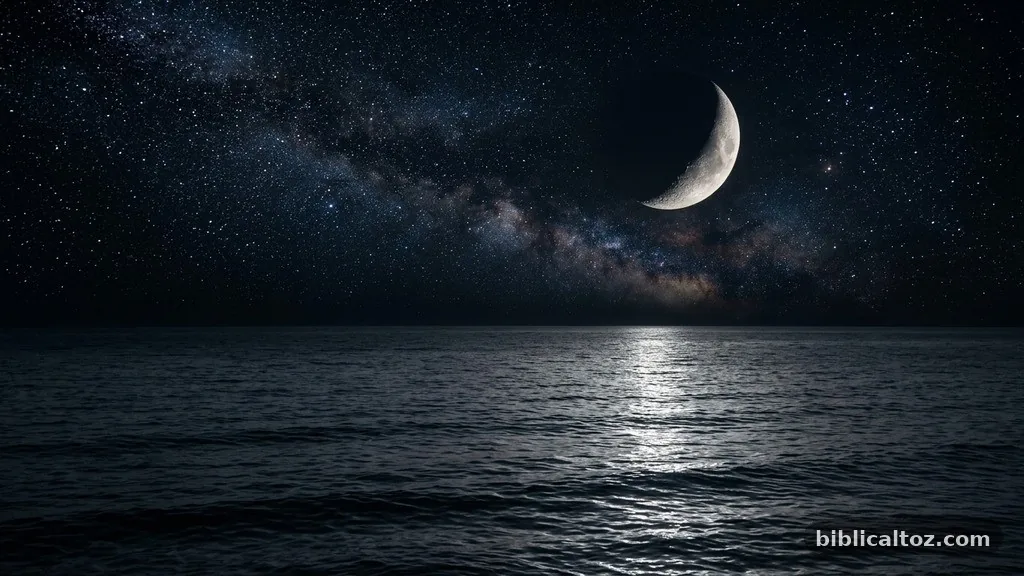
Meaning: Divine Order
Why It Matters: It establishes the moon as a created entity, explicitly rejecting the pagan tendency to worship celestial bodies.
Bible Reference: Psalm 89:37
Biblical Context: A hymn regarding God’s promise to David
Meaning: Steadfastness
Why It Matters: The moon is used as a metaphor for the permanence of God’s covenant, promising that as long as the moon endures, His word remains true.
Moon Symbolism in the Bible in the New Testament
The New Testament shifts the focus toward the fulfillment of prophecy and the ultimate light found in Christ. While the Old Testament emphasizes the moon as a physical sign, the New Testament often uses it in apocalyptic imagery to describe the shaking of the old order before the return of the Lord.
| Context | Symbolic Use | Biblical Reference |
|---|---|---|
| Cosmic signs | Instability of the world | Matthew 24:29 |
| Glorified state | Diminished status | Revelation 21:23 |
Major Biblical Meanings of Moon Symbolism in the Bible
The Marker of Holy Times
The new moon was central to Israelite worship. It signaled the beginning of months and the timing of feasts, ensuring that the people remained aligned with the rhythm established by God.
A Reflection of Divine Light
Just as the moon has no light of its own but reflects the sun, believers are often encouraged to reflect the light of the Lord in a world full of darkness. This serves as a reminder that our spiritual capacity is entirely dependent on our proximity to the Source.
Important Bible Passages About Moon Symbolism in the Bible
- Psalm 104:19: God appointed the moon for seasons, showing His precise control over nature.
- Joel 2:31: The moon turning to blood serves as a prophetic sign of the coming day of the Lord.
- Colossians 2:16: Paul warns against letting others judge believers regarding new moons, emphasizing that these were shadows of things to come in Christ.
How Moon Symbolism in the Bible Is Used Symbolically in Scripture
Scripture frequently contrasts the sun and moon to illustrate hierarchy and order. The sun represents the greater light, often associated with Christ or the day of salvation, while the moon represents the lesser light, often associated with the church or the reflection of truth during the night of this age.
Does Moon Symbolism in the Bible Always Have the Same Meaning?
No, the meaning is highly context-dependent. In a historical passage about the tabernacle, the new moon refers to a specific time for sacrifice. In a prophetic vision, the darkening of the moon symbolizes the collapse of human authority or the onset of divine judgment.
Moon Symbolism in the Bible and Christian Faith Today
For the modern reader, the moon serves as a constant reminder that we live in a world governed by God’s laws. When you look at the night sky, let it prompt a prayer of gratitude for the stability of His promises. It is a call to remain faithful in the “night” of our current circumstances, reflecting His truth even when the world around us feels dim.
Common Misunderstandings About Moon Symbolism in the Bible
Many people mistakenly attribute mystical or occult powers to the moon based on cultural folklore. Scripture explicitly forbids the worship of the “host of heaven.” The Bible does not support the idea that the moon dictates human personality or destiny; it only functions as a signpost for God’s timing and sovereignty.
Related Bible Verses
- Deuteronomy 4:19
- Psalm 121:6
- Isaiah 13:10
- Habakkuk 3:11
FAQs
What does the moon represent in the Bible?
The moon represents God’s orderly creation, the timing of sacred festivals, and, in prophetic contexts, a sign of cosmic change and divine intervention.
Is the moon considered evil in the Bible?
No, the moon is a part of God’s good creation. However, the Bible warns against the sin of idolatry, which occurs when people worship the moon instead of the Creator.
Why is the moon mentioned with the sun in prophecy?
The sun and moon together represent the totality of the created order. When they are described as darkening or changing, it signifies a cataclysmic event that affects the entire world.
What is the significance of the new moon?
The new moon marked the beginning of the month in the Hebrew calendar and was a time for specific offerings, prayer, and gathering for the people of Israel.
Conclusion
Understanding moon symbolism in the bible requires looking at the text with a focus on God’s sovereignty rather than mystical speculation. From the creation accounts in Genesis to the prophetic visions in Revelation, the moon consistently points back to the One who set it in the sky to mark the times and seasons.
By grounding your study in these clear, scriptural references, you can find confidence in the order and stability provided by the Creator. May your observation of the heavens always lead you to a deeper appreciation for the light of Christ, who remains the ultimate guide through every dark night.