The Mercy Seat in the Bible: Meaning and Significance
The mercy seat in the Bible serves as a profound focal point for understanding how a holy God interacts with sinful humanity. Located deep within the inner sanctum of the Tabernacle, this golden covering for the Ark of the Covenant represented the very throne of God’s presence on earth.
For the ancient Israelites, it was the place where divine justice met human need through the shedding of blood. By exploring the history and function of this sacred object, you can gain a clearer perspective on the transition from the Old Covenant sacrificial system to the ultimate work of redemption found in the New Testament.
Defining the Mercy Seat
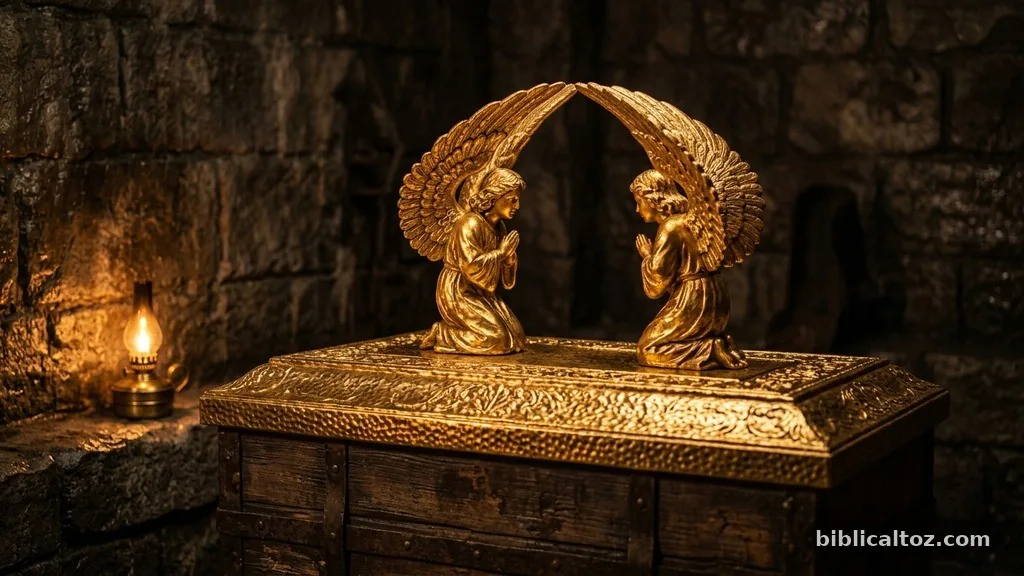
The mercy seat was a solid slab of pure gold, measuring two and a half cubits long and one and a half cubits wide. It functioned as the lid or cover for the Ark of the Covenant, which housed the stone tablets of the law. Two golden cherubim were fashioned at the ends of the lid, their wings spread upward to overshadow the seat.
This object was not merely a piece of furniture; it was the designated meeting place between the Creator and His people. Scripture describes it as the place where God promised to commune with the high priest, speaking from between the two cherubim.
Biblical Context and Location
Detailed instructions for constructing this sacred vessel are found in the book of Exodus. God provided Moses with precise blueprints to ensure the Tabernacle reflected His holiness. The following table summarizes the key components associated with its physical arrangement:
| Component | Material | Significance |
|---|---|---|
| The Ark | Acacia wood overlaid with gold | Container for the Ten Commandments |
| The Mercy Seat | Solid hammered gold | Covering for the law; throne of grace |
| Cherubim | Hammered gold | Guardians of God’s holiness |
The Role in Old Testament Worship
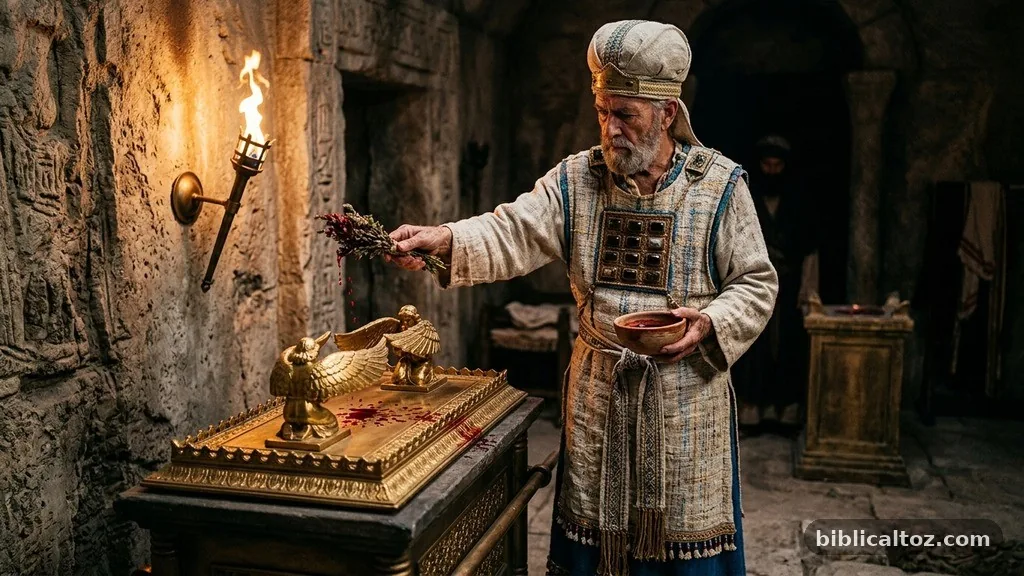
The primary function of the mercy seat in the Bible was atonement. On the Day of Atonement, the high priest entered the Holy of Holies to sprinkle the blood of a sacrificial animal upon the gold surface. This act symbolically covered the sins of the nation, bridging the gap between God’s perfect law and the people’s disobedience.
- It served as the footstool of God’s presence on earth.
- It acted as a barrier, preventing the immediate judgment of the law from reaching the people.
- It provided a specific, regulated pathway for reconciliation.
Connecting to Jesus and the New Covenant
While the Old Testament describes the physical object, the New Testament interprets its spiritual fulfillment. In the book of Romans, the apostle Paul refers to Christ as the propitiation for our sins. The Greek word used here carries the same conceptual weight as the mercy seat, suggesting that Jesus is the true place where God’s wrath is turned away.
Instead of an animal sacrifice offered repeatedly by a human priest, Jesus offered Himself once for all. He is the living reality that the gold lid only hinted at. By His blood, the way into the presence of God is opened for all who believe, removing the need for a physical, golden throne in a tent.
Common Misunderstandings
One common misconception is that the mercy seat was a chair where God sat. While it is often called a seat, it functioned more as a cover or a platform for the manifestation of His glory. Another error is assuming that the object itself held magical power; rather, it was a holy instrument ordained by God to facilitate a specific act of obedience and faith.
Frequently Asked Questions
Why was the mercy seat made of gold?
Gold represented the highest value and purity. As the place where the King of Heaven manifested His presence, the materials had to reflect the glory and holiness of God.
Who was allowed to see the mercy seat?
Only the high priest was permitted to enter the Holy of Holies, and he could only do so once a year on the Day of Atonement. Even then, he had to bring the blood of the sacrifice to ensure his own survival in the presence of God.
Does the mercy seat still exist today?
The Bible does not record the current location of the Ark or its cover. After the destruction of the Temple and the subsequent exiles, it disappeared from the historical record, leading to many theories that remain unproven.
How does this relate to the grace of God?
The name itself reveals the purpose: it was a place of mercy. Despite the strict requirements of the law contained beneath it, God provided a way for mercy to triumph over judgment.
Reflecting on Divine Presence
The journey of understanding the mercy seat in the Bible leads us directly to the heart of the gospel. While the golden lid was a temporary provision for a specific time in history, it pointed toward a permanent solution for the human condition. It reminds us that God is both perfectly holy and infinitely merciful.
Today, we do not look to a physical object hidden in a tent; we look to Jesus, who has become our advocate and our eternal access to the Father. May this truth encourage you to approach God with confidence, knowing that the price for your reconciliation has been fully paid.