Meaning and History of Pentecost in the Bible
The meaning and history of Pentecost in the Bible reveal a profound transition from an agricultural harvest festival to the explosive birth of the Christian church. By examining how this day evolved from the ancient Feast of Weeks into the transformative event described in the book of Acts, you will gain a deeper understanding of its central role in biblical narrative. This exploration connects the ancient traditions of Israel with the arrival of the Holy Spirit, offering insight into why this moment remains a cornerstone of faith for believers today.
What Does Pentecost Mean?
The word Pentecost is derived from the Greek term pentekostē, which literally means fiftieth.
This designation refers to the timing of the feast, which occurs exactly fifty days after the presentation of the first sheaf of grain during the Festival of Unleavened Bread. In the Greek-speaking world of the first century, this name became the standard way to identify the Jewish festival known in Hebrew as Shavuot. Because the count began on the day after the Sabbath of Passover week, the celebration always fell on a day that eventually became associated with the first day of the week, or Sunday.
Pentecost’s Old Testament History 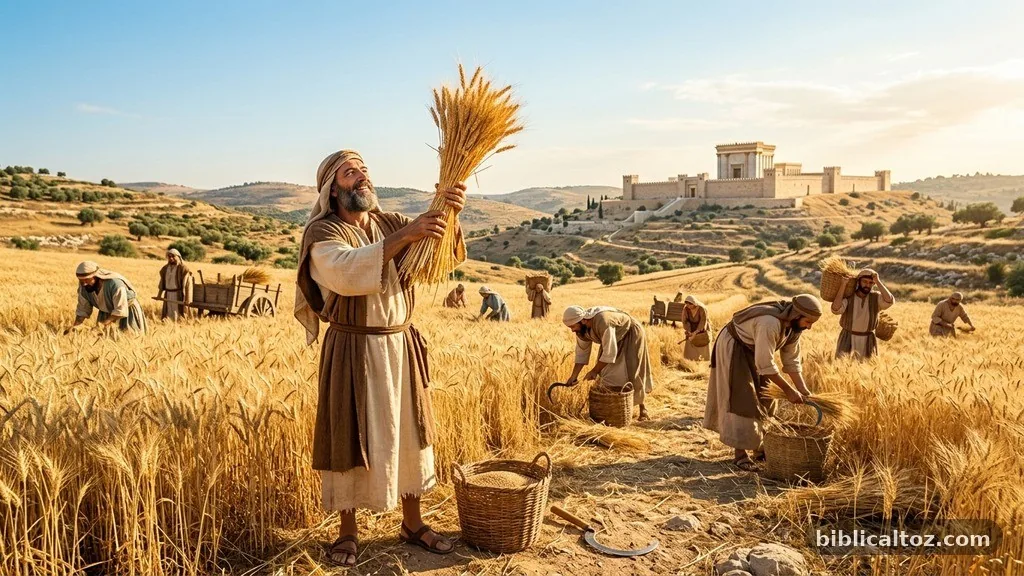
The history of Pentecost begins long before the New Testament era as a vital part of Israel’s covenantal life.
It served as a bridge between the physical harvest of the land and the spiritual harvest of the people’s relationship with God. The instructions provided in the Torah established a rhythm of life that required the people of Israel to pause, remember their deliverance from Egypt, and acknowledge the provider of their sustenance.
The Feast of Weeks in the Torah
The biblical mandates for this celebration are found across several books of the Torah, each adding layers to its significance.
In Exodus 23 and 34, the feast is identified as the festival of the harvest of the first fruits of your labors. Leviticus 23 provides the most precise instructions for the timing, commanding the people to count seven full weeks from the day they brought the sheaf of the wave offering, leading to the fiftieth day.
Numbers 28 and Deuteronomy 16 further outline the specific offerings and the requirement for all males to appear before the Lord at the designated sanctuary. These passages emphasize that the feast was not merely a local tradition but a national gathering that unified the tribes of Israel around the central worship of God. It was a time of joy, voluntary offerings, and communal gathering.
Why It Was Celebrated
The primary purpose of the Feast of Weeks was thanksgiving.
Israel was an agrarian society, and the timing of this feast coincided with the conclusion of the wheat harvest. By bringing the first fruits of the field to the temple, the people acknowledged that their land, their crops, and their lives were entirely dependent on God’s grace. Beyond the agricultural aspect, later Jewish tradition increasingly associated the day with the giving of the Law at Mount Sinai, linking the harvest of the land to the gift of God’s word.
Jesus and the Promise of the Holy Spirit
As the ministry of Jesus drew to a close, he redirected his disciples toward a future event that would surpass all previous experiences.
In Acts 1:4-8, Jesus commanded his followers to wait in Jerusalem for the promise of the Father. He explained that while John baptized with water, they would be baptized with the Holy Spirit not many days from then. This promise was tied to their mission to be witnesses to the ends of the earth, signaling that the power they were about to receive was intended for global impact.
Pentecost in Acts 2
When the day of Pentecost arrived, the disciples were gathered together in one place.
The atmosphere changed abruptly as the narrative shifts from expectation to manifestation. The account in Acts 2 describes an event that was both auditory and visual, marking the formal arrival of the Holy Spirit upon the gathered believers. This was not a quiet, internal experience; it was a public declaration that the era of the new covenant had officially begun.
The Sound of Wind and Appearance of Fire
The biblical description of the event includes two distinct manifestations that served as signs of God’s presence.
First, a sound like a rushing mighty wind filled the entire house where they were sitting. This echoed the Hebrew word for spirit, ruach, which also carries the meaning of breath or wind. Following the sound, something appeared to them that looked like tongues of fire, which distributed themselves and rested on each individual.
These symbols of wind and fire are historically significant in the Bible, representing power, purification, and the visible presence of God among his people.
Speaking in Other Languages 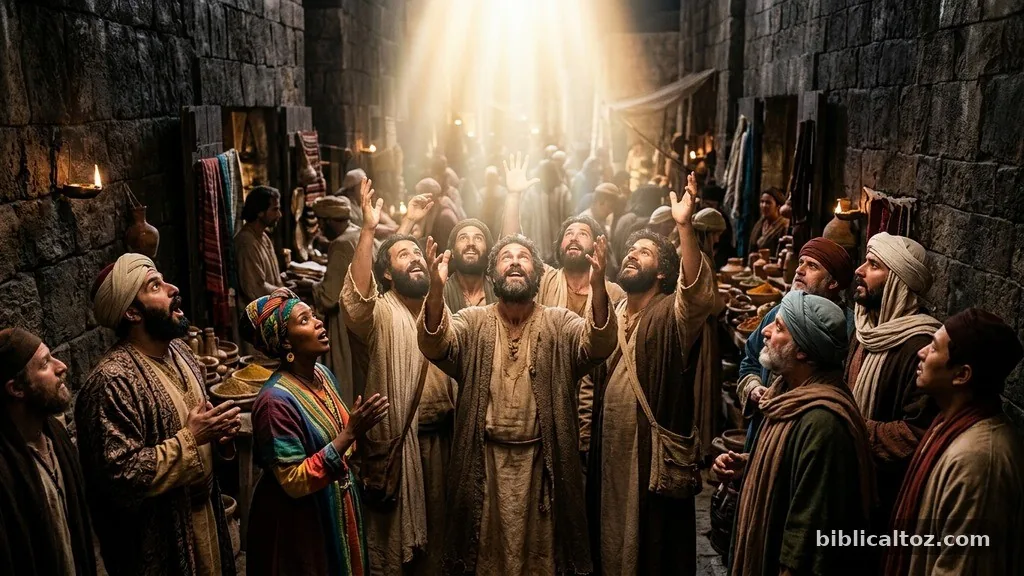
One of the most striking aspects of the day was the ability of the believers to speak in other languages. As the Holy Spirit empowered them, they began to declare the wonderful works of God in the native tongues of the international crowd gathered in Jerusalem. This event served several purposes:
* It confirmed the divine origin of the experience to the gathered witnesses.
* It reversed the confusion of languages seen in the ancient account of the Tower of Babel.
* It signaled that the message of the gospel was intended for all nations.
* It validated the apostles as messengers authorized by God.
Peter’s Sermon and Joel 2
The crowd, perplexed by what they witnessed, began to ask questions about the meaning of these events. Peter stood up to address the situation, explicitly connecting the manifestation of the Holy Spirit to the prophecy of Joel 2:28-32. He explained that the outpouring of the Spirit was the fulfillment of God’s ancient promise to pour out his Spirit on all flesh.
By quoting the prophet Joel, Peter demonstrated that the events of that day were not random occurrences but the next step in God’s redemptive history.
The Birth and Growth of the Early Church
The immediate result of Peter’s sermon was the conversion of three thousand people. This massive influx of believers transformed the small group of followers into a thriving, spirit-filled community. The early church was marked by:
* Devotion to the teaching of the apostles.
* Constant fellowship and the breaking of bread.
* A shared commitment to prayer.
* Radical generosity toward those in need.
Pentecost and the Work of the Holy Spirit
The significance of this day extends beyond the initial signs and wonders. It represents the permanent indwelling of the Holy Spirit in the lives of believers. This empowerment provided the courage needed for the early church to face persecution and the clarity required to spread the gospel message.
The Holy Spirit acted as a guide, a comforter, and a source of unity, ensuring that the church remained connected to the mission of Jesus.
Old Testament Feast vs. Acts 2
The following table highlights the differences and connections between the historical Jewish feast and the event recorded in the New Testament.
| Feature | Old Testament Feast of Weeks | Acts 2 Pentecost |
|---|---|---|
| Timing | Fifty days after Passover | Fifty days after the resurrection |
| Primary Focus | Thanksgiving for the wheat harvest | Outpouring of the Holy Spirit |
| Key Symbol | First fruits of the grain | Wind and tongues of fire |
| Community | The nation of Israel | The early church of believers |
What Pentecost Means for Christians Today
For modern Christians, the meaning of Pentecost centers on the ongoing presence of the Holy Spirit. It serves as a reminder that the church is not a building or an institution, but a living body empowered by the same Spirit that moved in Jerusalem. It encourages believers to look for the guidance of the Spirit in their daily lives and to participate in the ongoing work of witnessing to the truth of the gospel.
Common Misunderstandings
A frequent misconception is that the Holy Spirit was completely absent from the earth before this day. The Bible clearly records the Spirit of God moving throughout the Old Testament to empower prophets, judges, and kings. The difference at Pentecost is the nature of the Spirit’s presence: it moved from being a temporary, external influence on select individuals to a permanent, internal dwelling for all who believe. Another common error is treating the signs of fire and wind as repeatable rituals rather than unique, inaugural events that inaugurated a new epoch in redemptive history.
FAQs
What is the primary biblical meaning of Pentecost?
The primary meaning is the fulfillment of God’s promise to send the Holy Spirit, empowering the church to fulfill the mission of spreading the gospel to all nations.
How is Shavuot related to Pentecost?
Shavuot is the Hebrew name for the Feast of Weeks, the ancient Jewish festival that provided the calendar date for the events recorded in Acts 2.
Why did the Holy Spirit appear as fire?
Fire is a consistent biblical symbol for God’s holiness, presence, and refining power, indicating that the Spirit’s arrival was a direct manifestation of God among his people.
What happened to the three thousand people who believed?
They were baptized and joined the early church, forming a community that lived, prayed, and broke bread together in unity.
Is Pentecost still celebrated today?
Many Christian traditions observe Pentecost Sunday as a significant liturgical feast to commemorate the descent of the Holy Spirit and the birthday of the church.
Did the disciples speak in known languages or ecstatic utterances?
The text in Acts 2 specifies that the people heard the disciples speaking in their own native languages, which suggests the communication was intelligible and served as a sign of the gospel’s universal reach.
Why is the count of fifty days important?
The fifty-day count links the festival to the cycle of the harvest, reinforcing the idea that the church is the first fruits of a greater spiritual harvest.
Does the Bible require Christians to observe Pentecost?
The New Testament does not mandate the observance of the feast as a legal requirement, but it remains a meaningful time for many to reflect on the role of the Holy Spirit in their lives.
Conclusion
The meaning and history of Pentecost in the Bible weave together a tapestry of agricultural tradition and divine intervention. By moving from the fields of Israel to the upper room in Jerusalem, the narrative demonstrates how God consistently works through human history to bring about his redemptive purposes. This day changed the trajectory of the early church, providing the empowerment and unity necessary to carry the message of Jesus to the world.
As you reflect on these events, consider how the presence of the Holy Spirit continues to shape your own walk of faith today. If you are seeking to grow in your understanding of the scriptures and the history of the early church, we invite you to explore our library of resources to deepen your study.