The Story of Joseph: Faith Through Trials
The narrative of Joseph serves as one of the most profound accounts of resilience and providence found in the ancient world. From his early days as a favored son to his eventual rise as a powerful leader, the journey of this figure offers a lens through which we can view the complexities of human suffering and divine purpose.
By examining his life, we uncover how integrity and faith can endure even the most crushing circumstances. Whether you are navigating personal hardship or seeking to understand the historical context of his rise, this account provides enduring wisdom on character, forgiveness, and the long arc of destiny.
Early Life and the Seeds of Conflict
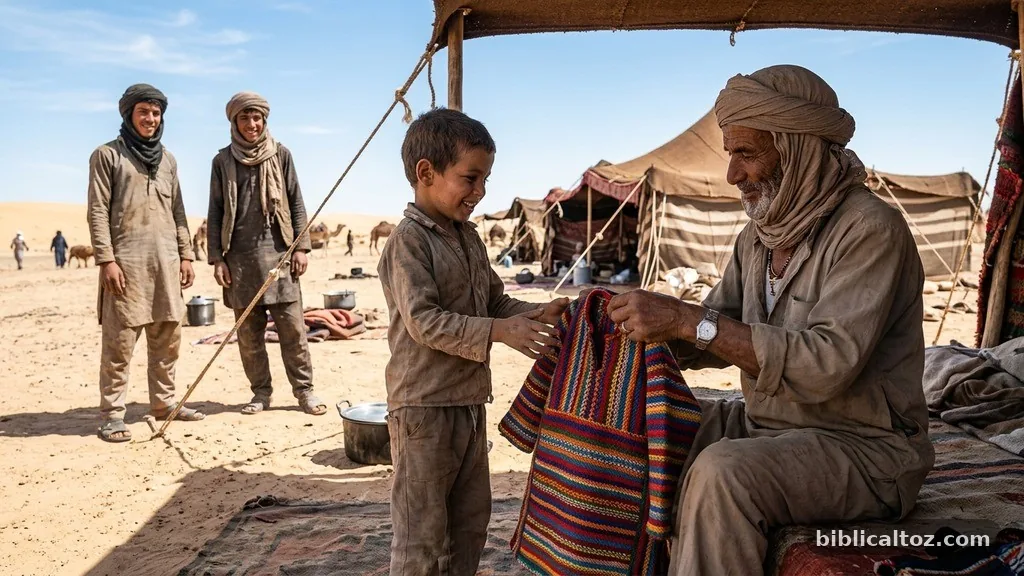
Joseph entered the world as the eleventh son of Jacob, born to Rachel, the wife whom Jacob loved most. Being the child of his father’s old age, he occupied a unique position within the family structure, often marked by special treatment that stoked resentment among his older siblings. This tension reached a boiling point when Jacob gifted him an ornate coat, a visible sign of favoritism that signaled to the other brothers that he was set apart.
The situation worsened when he began sharing his dreams with his family. In these visions, he saw sheaves of wheat bowing to his own, and later, the sun, moon, and stars paying him homage. To his brothers, these were not merely innocent nocturnal musings; they were perceived as arrogant declarations of future superiority.
This friction serves as a core element of the story, highlighting how familial dynamics and perceived pride can quickly spiral into deep-seated hatred. The brothers, fueled by envy, began to view him not as a sibling, but as a threat to their own standing and future.
Betrayal and the Descent into Slavery
The turning point occurred in the fields of Dothan, far from their father’s watchful eye. When the brothers saw him approaching, they conspired to rid themselves of his presence once and for all.
While they initially contemplated murder, they eventually settled on selling him to a passing caravan of Ishmaelites. This act of betrayal marked the beginning of his descent into exile, as he was taken away from his home, his father, and everything he had ever known.
He was eventually sold into the household of Potiphar, an officer of the Egyptian guard. Despite the trauma of being ripped away from his family, his conduct remained consistent. He did not succumb to bitterness or despair; instead, he worked with diligence and honor.
His character was so evident that Potiphar entrusted him with the management of his entire estate. This period demonstrates that even in the most restricted environments, personal integrity remains a choice. The following table illustrates the major shifts in his status during this turbulent period:
| Life Phase | Role/Status | Primary Challenge |
|---|---|---|
| In Canaan | Favored Son | Family Jealousy |
| In Egypt | Slave/Overseer | False Accusation |
| In Prison | Inmate/Interpreter | Forgotten by Others |
| In Palace | Governor of Egypt | Managing National Crisis |
Trials, Temptations, and Integrity

Life in the house of Potiphar eventually collapsed due to a false accusation by his master’s wife. After refusing her repeated advances, she used his own cloak as evidence to frame him for assault. This resulted in his immediate imprisonment, a place where he remained for years.
This phase of his life is often overlooked, yet it is where his character was most rigorously tested. He faced the loss of his reputation, his freedom, and his future, yet he maintained his connection to his faith.
Even within the walls of a dungeon, he became known for his administrative capabilities and his ability to interpret dreams. When he helped the chief cupbearer and the chief baker understand their visions, he sought only a small favor in return: to be remembered when they were released. The cupbearer, however, forgot him for two full years.
This delay is a crucial part of the narrative, reminding us that timing is often outside of our control. His eventual release came not through human connections, but through the divine timing of a national crisis that only he could resolve.
The Rise to Power and Reconciliation
When Pharaoh experienced dreams that no one in his court could explain, the cupbearer finally remembered the man in prison. He was brought before the ruler to interpret the visions, which foretold seven years of plenty followed by seven years of severe famine.
Impressed by his wisdom and insight, Pharaoh elevated him to the position of Vizier, second only to himself. He was tasked with preparing the nation for the coming catastrophe, overseeing the harvest and the storage of food on a massive scale.
The famine eventually reached his home, forcing his brothers to travel to Egypt to purchase grain. They did not recognize their long-lost sibling, who had adopted the customs and dress of the land. This set the stage for a dramatic series of tests, allowing him to see if they had changed their hearts.
He did not act out of a desire for revenge, but rather to ensure their integrity had truly shifted. When he finally revealed his identity, the moment of reconciliation was one of the most emotional scenes in all of literature. He chose to look past their past malice, recognizing that his difficult journey had been a means to save his family from starvation.
- He prioritized forgiveness over retribution.
- He saw his life’s events as part of a larger plan.
- He provided for his family despite their previous betrayal.
- He maintained consistent ethical standards in every role.
Frequently Asked Questions
What were the main lessons from the life of Joseph?
The primary lessons involve the power of forgiveness, the endurance of character under pressure, and the belief that personal suffering can lead to a greater good. It teaches that integrity is not dependent on one’s circumstances.
Why did Joseph’s brothers betray him?
Their betrayal was rooted in deep-seated jealousy. They resented the favoritism shown by their father and felt threatened by his prophetic dreams, which suggested he would one day rule over them.
How did Joseph rise to power in Egypt?
He rose to power by interpreting Pharaoh’s dreams concerning the upcoming famine. Pharaoh recognized his wisdom and administrative talent, appointing him to manage the nation’s food supply during the crisis.
What does the name Joseph mean?
The name is typically interpreted to mean “may he add” or “God will increase,” reflecting his mother Rachel’s hope for more children and, symbolically, the prosperity that followed him throughout his life.
Finding Hope in the Narrative
The story of Joseph remains a powerful testament to the resilience of the human spirit. It reminds us that even when we feel abandoned or forgotten, the trajectory of our lives is often leading toward a purpose we cannot yet see. His life was not a linear path to comfort; it was a winding road through betrayal, slavery, and prison.
Yet, in every step, he maintained his commitment to truth and his faith in a higher plan. By choosing to forgive those who harmed him, he transformed a potential tragedy into a legacy of salvation for his entire family. May his journey encourage you to hold onto your values, even when the horizon seems dark, and to trust that your current trials may be preparing you for a future you have yet to imagine.