Jehovah Rohi Meaning: Understanding the Lord My Shepherd
When you look for comfort in the pages of Scripture, discovering the Jehovah Rohi meaning provides a profound shift in how you view your relationship with the Creator. This Hebrew name for God, often translated as the Lord is my Shepherd, reveals an intimate, protective, and deeply personal connection between the Divine and the individual.
By exploring the historical context and the practical application of this name, you can move beyond a distant view of theology into a vibrant, daily walk of faith. Understanding how God acts as a shepherd allows you to face the complexities of life with a renewed sense of security and trust in His constant, loving guidance.
The Hebrew Roots and Significance
The name Jehovah Rohi is derived from two primary Hebrew words that carry significant weight in the Old Testament. Jehovah, or Yahweh, represents the personal, covenant-keeping name of God.
The word Rohi, or Raah, is the Hebrew term for a shepherd or a companion. When combined, these words do not merely describe a title but define a functional relationship.
Some scholars note that the term can also imply a sense of intimate friendship or association, suggesting that God is not just a ruler over the world, but a companion who walks beside His people. While linguistic experts debate the exact vocalization of ancient Hebrew, the theological consensus remains clear.
The name communicates that the Lord is the one who tends to, feeds, and watches over His own. This identification establishes a framework where the believer is seen as the sheep, dependent and in need of the constant presence of the divine shepherd.
Psalm 23: A Portrait of Divine Care
The most famous expression of this name is found in the twenty-third Psalm, written by David. As a former shepherd himself, David knew exactly what the role required. When he wrote that the Lord is his shepherd, he was drawing upon a lifetime of experience protecting, leading, and nurturing his own flock.
The Provision of the Shepherd

David begins by stating that because the Lord is his shepherd, he shall not want. This implies that the shepherd is responsible for the physical and spiritual needs of the sheep.
Whether it is finding green pastures or still waters, the shepherd ensures that the flock is sustained. This imagery suggests that your needs, both tangible and intangible, are the primary focus of God’s attention.
Guidance and Restoration
The psalm continues by describing how the shepherd leads his sheep in paths of righteousness. This is a crucial aspect of the Jehovah Rohi meaning, as it highlights that the shepherd does not just provide for the present, but also directs the future.
Even when you walk through the valley of the shadow of death, the shepherd is present. He does not remove the valley, but He walks through it with you, providing comfort through His rod and His staff.
Shepherd Imagery Across the Scriptures
The Bible frequently uses the shepherd metaphor to describe how God relates to humanity. This consistent imagery reinforces the idea that God is deeply invested in the well-being of His people.
Old Testament Foundations
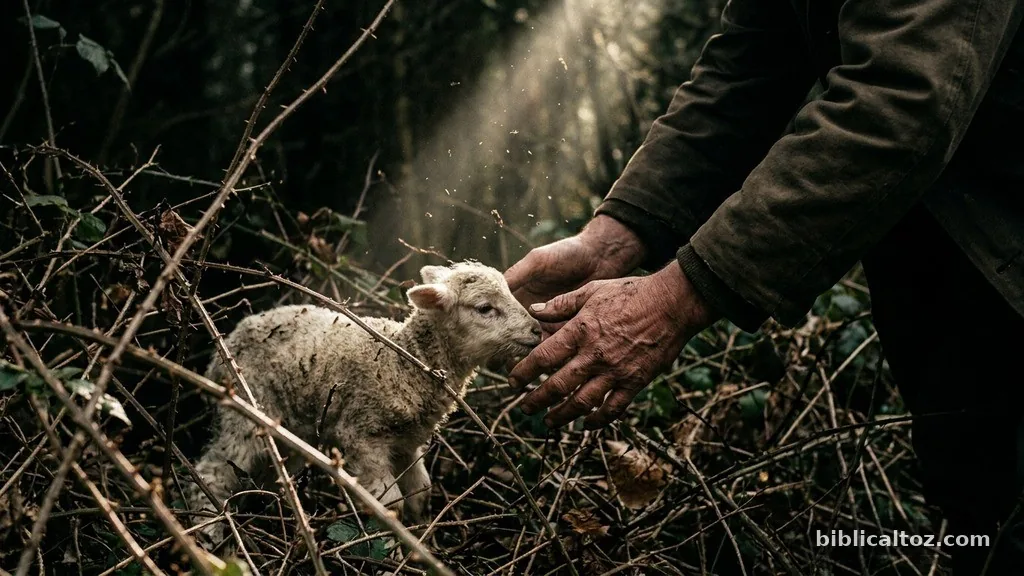
In the Old Testament, the prophets often used the shepherd motif to contrast God’s care with the failures of human leaders. Ezekiel 34, for instance, provides a stark critique of the shepherds of Israel who fed themselves rather than the flock.
In contrast, the passage declares that the Lord Himself will search for His sheep and seek them out. This promise sets the stage for the ultimate revelation of the shepherd’s heart.
The New Testament Fulfillment
In the New Testament, Jesus explicitly connects Himself to this ancient imagery. By calling Himself the Good Shepherd in John 10, Jesus claims the divine role for Himself. He explains that the good shepherd lays down his life for the sheep, a sacrifice that confirms the depth of the care inherent in the name Jehovah Rohi.
The following table summarizes how the shepherd metaphor functions in different biblical contexts:
| Scripture Reference | Role of the Shepherd | Response of the Sheep |
|---|---|---|
| Psalm 23:1 | Provider and Protector | Trust and Contentment |
| Isaiah 40:11 | Gatherer of the weak | Resting in His arms |
| John 10:11 | Sacrificial Savior | Following His voice |
| Ezekiel 34:11 | Seeker of the lost | Returning to the fold |
Applying the Name to Daily Life
Knowing the Jehovah Rohi meaning is more than an academic exercise; it is a tool for navigating the realities of a broken world. When you face seasons of uncertainty or grief, the reality of God as your shepherd changes your perspective on your circumstances.
* Recognize your limitations: Accepting that you are a sheep means admitting you cannot manage every outcome on your own.
* Listen for His voice: In a world of competing noise, learning to discern the shepherd’s guidance requires intentional silence and prayer.
* Seek His rest: The shepherd leads to still waters; you must be willing to stop and receive the refreshment He offers.
* Trust His direction: Even when the path seems difficult or confusing, the shepherd knows the terrain better than you do.
This perspective does not promise an easy life. It does, however, promise that you are never walking alone. Whether you are making a difficult decision or enduring a season of loss, the shepherd is actively involved in your life, leading you toward restoration.
FAQ
What is the difference between Jehovah Rohi and Jehovah Raah?
These are essentially the same name. Raah is the Hebrew word for shepherd, while Rohi is the possessive form, meaning my shepherd. They both refer to the same concept of God’s personal care.
Can I call God my shepherd if I am going through a hard time?
Yes, in fact, the name is specifically relevant during difficult times. The Bible emphasizes that the shepherd is most needed when the sheep are in the valley or facing danger.
Does the shepherd metaphor imply that humans have no free will?
No, the shepherd imagery emphasizes guidance and protection, not coercion. The sheep choose to follow the voice of the shepherd, which requires an active decision to trust and obey.
Is the concept of the Good Shepherd only found in the New Testament?
While Jesus famously used this title, the Old Testament is filled with references to God as the shepherd of His people. The New Testament fulfills and expands on these existing themes.
Conclusion
Finding comfort in the Jehovah Rohi meaning offers a foundation for your faith that remains steady regardless of your circumstances. By acknowledging the Lord as your shepherd, you shift the burden of your life from your own shoulders to the care of the One who created you. This relationship is defined by provision, protection, and an intimate knowledge of your needs.
As you move forward, consider how you can more actively listen for His voice in your daily decisions. Trusting that He is leading you toward green pastures and still waters allows you to find rest, even when the world around you feels chaotic. May you walk in the confidence that the Good Shepherd is with you, guiding your steps every single day.