Jehovah Nissi Meaning: Origin, Context, and Significance
When you explore the depths of the Hebrew scriptures, the phrase Jehovah Nissi meaning becomes a profound window into the character of God. Often translated as “The Lord is my banner,” this title emerges from a pivotal moment in the wilderness when Israel faced their first major military challenge after leaving Egypt.
Understanding this name requires looking past the surface to see how it functioned as a declaration of God’s presence and protection during the heat of battle. By examining the context of the exodus and the specific imagery used by the biblical writers, you can gain a clearer perspective on how this ancient designation offers comfort and assurance for modern life.
The Historical Context of the Name
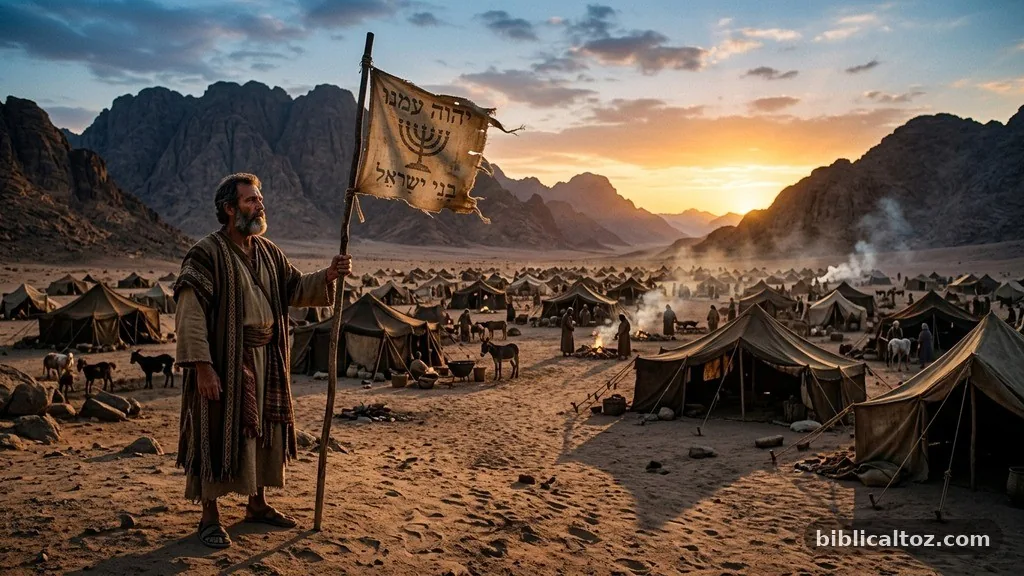
The account of Jehovah Nissi is recorded in Exodus 17, following the miraculous provision of water from the rock at Horeb. Shortly after this event, the Amalekites launched a surprise attack against the Israelites at Rephidim. This was not merely a territorial dispute; it was a direct assault on the people whom God had recently delivered from bondage.
Moses instructed Joshua to select men to fight while he stood on the hilltop holding the staff of God. The narrative notes that whenever Moses held his hands up, Israel prevailed, but when he lowered them, Amalek gained the advantage. Aaron and Hur eventually supported his arms until sunset, securing a decisive victory for the Israelites.
Etymology and Linguistic Analysis
To grasp the full weight of the name, we must look at the Hebrew components. The word “Jehovah” (or Yahweh) is the personal, covenantal name of God in the Bible. The term “Nissi” is derived from the Hebrew noun nes, which carries several layers of meaning.
| Hebrew Term | Transliteration | Primary Meaning |
|---|---|---|
| יהוה | YHWH (Yahweh) | The Self-Existent One |
| נֵס | Nes | Banner, Standard, Signal, or Pole |
| נִסִּי | Nissi | My Banner |
While nes often refers to a physical banner or flag used to rally troops on a battlefield, it also carries the connotation of a signal or a sign. By naming the altar he built “The Lord is my Banner,” Moses was essentially declaring that God was the rallying point for Israel’s identity and the source of their victory. It was a public acknowledgment that their success was not due to military prowess, but to the divine presence hovering over them.
The Symbolism of the Banner
In ancient Near Eastern warfare, a banner served three vital purposes. It provided a visual point of reference for soldiers who might otherwise become disoriented in the chaos of combat. It signaled the presence of a leader or a king, and it served as a rallying cry to unite scattered forces.
When Moses identified the Lord as his banner, he was applying these military metaphors to his spiritual life. For the believer, God functions as the central point of focus, especially during times of intense personal conflict or spiritual warfare. Just as a banner remained stationary while soldiers moved around it, God remains the constant, immovable reality that defines the direction and purpose of the people of faith.
Distinguishing Tradition from Text
It is helpful to distinguish between the explicit biblical text and the way the term has been used throughout church history. The Bible records that Moses built an altar and called it “Yahweh-Nissi.”
It does not present this as a title for God in the same way “Yahweh-Jireh” (The Lord will provide) is used. Rather, it is a memorial name for the location and the event.
Over the centuries, theologians and devotional writers have expanded the use of the term to describe the nature of God himself. While this usage is not found in the original Hebrew text, it is consistent with the biblical theme that God is the defender and protector of his people. When people pray to God using this name today, they are invoking the historical memory of that victory to express their trust in God’s ongoing ability to lead and sustain them.
Jehovah Nissi in the Life of Faith
Applying the truth of this name to modern life involves recognizing that the “battles” we face—whether physical, emotional, or spiritual—are often fought in the shadow of God’s sovereignty. The story emphasizes that the victory was won through a combination of human effort and divine intervention. Moses had to hold the staff, and Joshua had to lead the charge, but the outcome relied entirely on the power of the Lord.
Practical ways to reflect on this name:
- Identify your current struggles and intentionally acknowledge God as your point of focus.
- Recognize that your strength is often bolstered by the support of others, just as Aaron and Hur supported Moses.
- Use the name as a reminder to pray for guidance when you feel lost or overwhelmed.
- Practice gratitude by building “altars”—mental or physical markers—to remember how God has helped you in the past.
Frequently Asked Questions
What is the difference between Jehovah Nissi and other compound names of God?
The compound names of God, such as Jehovah Jireh (The Lord will provide) or Jehovah Shalom (The Lord is peace), were usually assigned to specific locations or events to commemorate a specific attribute of God revealed in that moment. While they are distinct in their origin stories, they all serve to describe the multifaceted character of God as he interacts with his people in time and space.
Did Moses name God “Jehovah Nissi” or the altar?
According to Exodus 17:15, Moses built an altar and called the name of it “The Lord is my Banner.” The text identifies the altar as the recipient of the name, which serves as a memorial. In devotional practice, however, it has become common to refer to the name as a title for God himself, reflecting the belief that the attribute belongs to him.
How does the imagery of a banner apply to spiritual warfare?
In a spiritual context, the banner represents the standard under which a believer stands. It signifies that your identity is tied to the Lord and that you are not fighting alone. When you feel the pressure of difficult times, looking to the “banner” is a metaphor for refocusing your heart and mind on God’s promises and presence.
Is Jehovah Nissi a direct translation from Hebrew?
Yes, it is a transliteration. “Jehovah” is a traditional reading of the Hebrew tetragrammaton YHWH, and “Nissi” comes from the Hebrew nes (banner) with the possessive suffix “i” (my). Together, they translate literally to “The Lord is my banner.”
Reflecting on Divine Presence
The significance of the phrase Jehovah Nissi meaning lies in the enduring promise that God is actively involved in the lives of his people. Whether you are facing a difficult week or a prolonged season of hardship, the story of the altar at Rephidim serves as a reminder to look up toward the one who leads the way. By keeping your focus on the Lord, you find the stability and courage needed to move forward.
If you find this exploration of biblical names helpful, consider looking into other titles that reveal the depth of God’s character. We invite you to continue your study with us as we look into the rich history and meaning behind the names found in the scriptures.