What Is Intercessory Prayer? Meaning and Biblical Examples?
Intercessory prayer represents the act of standing in the gap on behalf of others before the throne of God. Rather than focusing on personal needs or individual petitions, this form of communion shifts the heart toward the burdens, struggles, and spiritual growth of the people around us.
Understanding what intercessory prayer truly entails helps believers align their own desires with the heart of Christ, who continuously makes intercession for the saints. By exploring the depths of this practice, you will discover how to effectively lift up your community and mirror the selfless love found throughout the scriptures.
Defining the Heart of Intercession
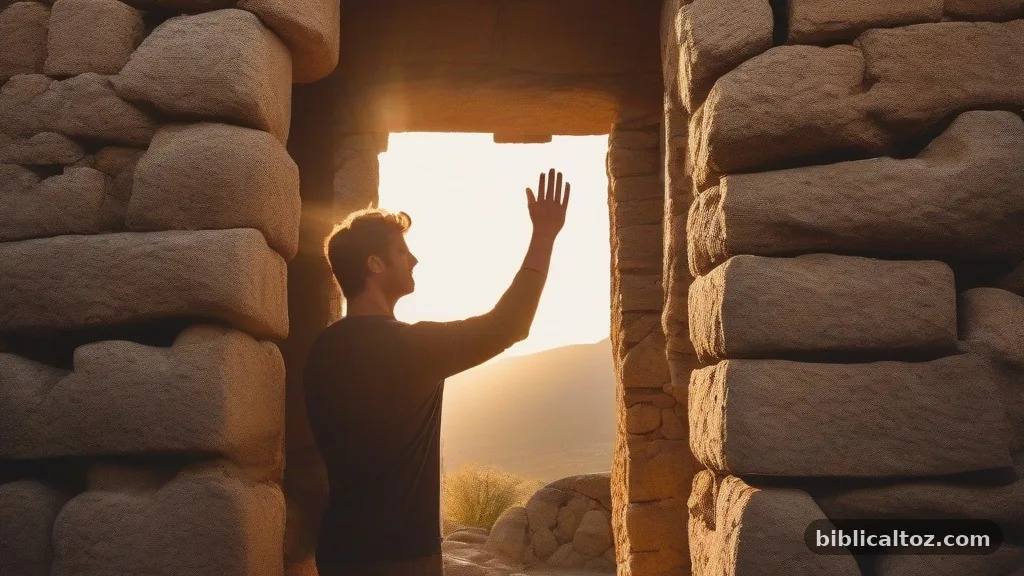
At its core, intercessory prayer is the act of petitioning the Creator on behalf of another person or group. It involves setting aside personal agendas to advocate for the needs, healing, or spiritual breakthrough of someone else.
The imagery of standing in a gap—a term often used in Old Testament prophecy—perfectly illustrates this ministry. When a wall is broken, someone must stand in the breach to protect the city; similarly, when a person faces spiritual or physical crisis, the intercessor stands between them and the silence, lifting their situation to the Almighty.
This practice is not merely about reciting a list of names or requests. It is a posture of the heart that says, “I am willing to carry this burden with you.”
When you pray for someone, you are acknowledging that God is the ultimate source of help and that your role is to act as a bridge of faith. It requires empathy, persistence, and a deep reliance on the Holy Spirit to guide your words when you may not even know what the other person needs most.
The Biblical Foundation of Standing in the Gap
Scripture provides a clear mandate for believers to carry one another’s burdens. The Apostle Paul frequently requested prayer from the churches, acknowledging that his own ministry relied on the collective petitions of the faithful. This mutual support is woven into the fabric of the New Testament, where the early church constantly gathered to pray for apostles in prison or for those facing persecution.
The concept of mediation is also central to this practice. In the Old Testament, we see figures like Moses pleading with the Lord to spare the Israelites from judgment.
These accounts demonstrate that intercession is a serious, solemn responsibility that reflects the character of God, who is merciful and slow to anger. By participating in this, you are not just asking for a favor; you are participating in the ongoing work of redemption that God performs in the lives of his children.
Biblical Examples of Intercessory Prayer

History is filled with individuals who mastered the art of praying for others. Jesus remains the ultimate example, as his high priestly prayer in the seventeenth chapter of John’s Gospel shows him praying not only for his immediate disciples but for all who would believe in him through their message. He modeled a life where the needs of others consistently took precedence over his own comfort.
Other figures in the Bible provide practical models:
- Abraham: He bargained with God to spare the righteous in Sodom, showing the power of persistent pleading.
- Daniel: He confessed the sins of his nation as if they were his own, demonstrating identification with the people he prayed for.
- Paul: He consistently wrote to churches, listing the specific spiritual virtues he desired to see grow within them.
- Samuel: He famously declared that it would be a sin against the Lord to cease praying for his people.
Characteristics and Essential Elements
Effective intercession is characterized by sincerity, humility, and a firm belief in God’s sovereignty. It is not about using flowery language to impress the Almighty; it is about bringing the raw truth of a situation before the one who can actually change it. You must be willing to listen to the Spirit, as sometimes the most powerful prayers involve silence or groans that words cannot fully express.
| Element | Focus | Goal |
|---|---|---|
| Persistence | Consistency over time | Seeing the breakthrough |
| Identification | Empathy with the person | Aligning with their need |
| Scriptural Basis | Applying God’s promises | Aligning with God’s will |
Practical Steps to Practice Intercession

To begin, start by setting aside a specific time each week to focus exclusively on others. Create a simple list or use a digital tool to keep track of requests, but do not let the list become a dry administrative task. Instead, take a moment to visualize the person and their specific challenge before you begin to pray.
Ask the Lord to show you what he wants to do in their life rather than just asking for what you think they need. If you feel stuck, pray through the scriptures, using verses like those in Ephesians or Colossians to frame your requests for the spiritual maturity of your friends and family. Remember that the goal is not to force God’s hand but to align your heart with his perfect purposes.
Common Misunderstandings
Many people believe they need special spiritual gifts or a specific title to intercede, but the Bible teaches that all believers are called to this ministry. Another misconception is that you must know every detail of a person’s life to pray effectively; however, God knows the heart even when you have limited information.
Some also fear that their prayers aren’t “powerful” enough, yet the efficacy of prayer lies in the power of the One being addressed, not the eloquence of the person praying. Finally, do not assume that intercession is only for crises; it is a daily lifestyle of lifting others up.
Related Bible Verses

* 1 Timothy 2:1: Encourages making supplications and intercessions for all people.
* James 5:16: Highlights that the fervent prayer of a righteous person has great power.
* Romans 8:26: Explains that the Spirit helps us in our weakness when we do not know how to pray.
* Ephesians 6:18: Commands us to be alert and persistent in prayer for all the saints.
* Colossians 1:9: Shows Paul praying specifically for the wisdom and spiritual understanding of the church.
* 1 Samuel 12:23: Samuel views failing to pray for his people as a personal sin.
* John 17:20: Jesus prays for all future believers, showing the reach of intercession.
* Job 42:10: Job’s fortunes were restored when he prayed for his friends.
Frequently Asked Questions
What is the difference between prayer and intercessory prayer?
General prayer encompasses all communication with God, including praise, thanksgiving, and confession. Intercessory prayer is a specific subset focused entirely on representing the needs of others before God. While all prayer is valuable, intercession is the deliberate act of standing in the gap for someone else’s benefit.
How do I know what to pray for someone?
Start by asking the person directly what they need, but also ask the Holy Spirit for insight. Often, the deepest needs are spiritual, such as peace, wisdom, or strength, rather than just physical circumstances. Using scripture to guide your thoughts helps ensure your requests align with God’s will.
Does God require me to pray for everyone?
The Bible instructs believers to pray for all people, including those who are difficult to love or who act as enemies. While you cannot know every person on earth, you can adopt a heart that is open to the needs of your community, local church, and neighbors as they come to your attention.
How do I stay consistent in this practice?
Consistency comes from making it a habit rather than an emotional response to a crisis. Integrate your prayer time into your daily routine, perhaps during your commute or morning coffee. Using a simple journal or app can help you track progress and see how God answers over the course of a week.
Conclusion
Engaging in intercessory prayer is one of the most selfless ways to participate in the life of the body of Christ. It shifts your perspective from the trivialities of daily life to the eternal needs of the people God has placed in your path. By standing in the gap, you become a participant in the grace and mercy that the Almighty pours out upon his children.
Whether you are praying for a family member, a friend, or someone you have never met, your faithfulness matters. Start small, remain consistent, and watch how your heart begins to beat in rhythm with the Savior.
If you are looking to deepen your walk, consider how you might commit to this ministry as a regular part of your spiritual life. Through intercessory prayer, you truly become an instrument of hope and healing in a broken world.