Gideon in the Bible: Story, Calling, Victory & Lessons of Faith
When you look at the accounts of heroes in scripture, Gideon in the Bible stands out as a remarkably relatable figure. He was not a natural-born warrior or a confident leader, but rather a man wrestling with deep insecurity and uncertainty while living under the shadow of oppression.
By examining his life, we uncover how divine strength often works through human weakness rather than in spite of it. This account provides a raw, honest look at the tension between doubt and obedience, showing how even those who feel unqualified can be used for significant purposes when they finally lean on God.
Who Was Gideon?
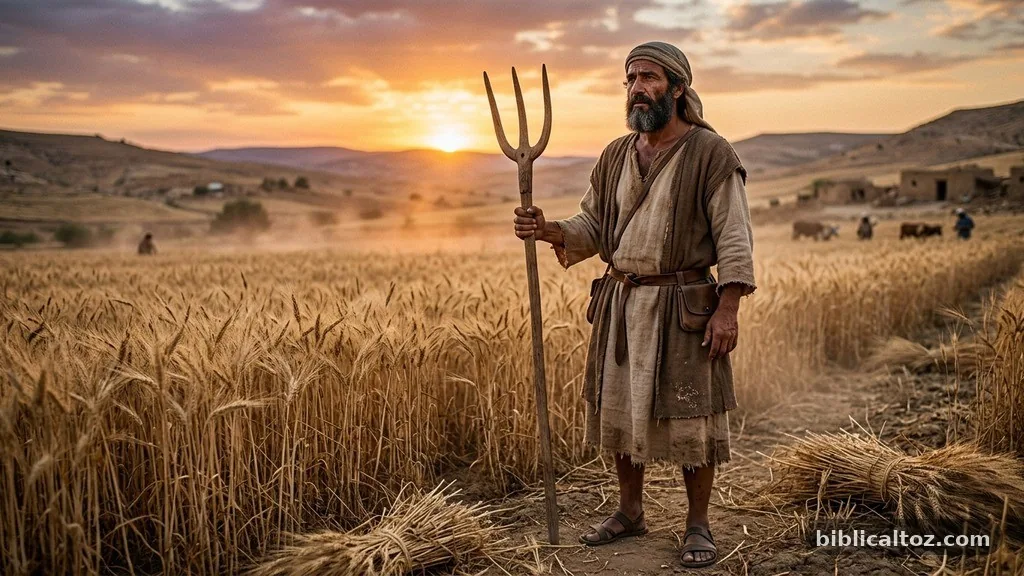
Gideon was a man from the tribe of Manasseh, specifically from the clan of Abiezer. At the time of his introduction in Judges 6, he was hiding in a winepress to thresh wheat, hoping to avoid detection by the Midianites. He was the least significant member of his father’s house, and his family was considered the weakest in their tribe.
Israel’s Trouble Under Midian
For seven years, the Midianites oppressed the Israelites. They would invade during the harvest, destroying crops and stealing livestock, leaving the people in a state of starvation and terror. This period of suffering was a direct consequence of Israel turning away from the Lord, leading them to cry out for deliverance from their enemies.
God Calls Gideon
The Angel of the Lord appeared to Gideon while he was working, addressing him as a mighty man of valor. This greeting seemed ironic given Gideon’s circumstances, but it highlighted the difference between his self-perception and his potential under divine guidance. God commissioned him to save Israel, promising that He would be with him throughout the campaign.
Gideon’s Doubts and Questions
Gideon immediately questioned this calling, pointing to his family’s low status and his own insignificance. He struggled to reconcile the stories of past miracles with the current state of abandonment he felt his people were experiencing. His hesitation was not necessarily a rejection of God, but a reflection of his own fear and the weight of the task ahead.
Gideon and the Sign of the Offering
To confirm the identity of his visitor, Gideon prepared a meal of meat, unleavened cakes, and broth. When the Angel touched the offering with his staff, fire consumed the food, proving that the visitation was indeed divine. This encounter left Gideon deeply shaken, realizing he had stood in the presence of the Lord.
Gideon Destroys Baal’s Altar
Before facing the Midianites, Gideon had to confront the idols in his own home. Under the cover of night, he tore down his father’s altar to Baal and built a new altar to the Lord. This act of courage earned him the name Jerub-Baal, meaning “let Baal contend against him,” marking a turning point in his spiritual journey.
The Sign of the Fleece
Gideon’s struggle with fear persisted, leading him to request specific signs from God. He famously placed a fleece on the threshing floor, asking for it to be wet with dew while the ground remained dry, and then vice-versa. While often interpreted as a lack of trust, these requests show a man desperate to be certain of his instructions before risking the lives of others.
Gideon’s Army Is Reduced
Gideon initially gathered an army of 32,000 men to face the Midianite coalition. However, God instructed him to reduce the size of the force to ensure that the victory would be attributed to divine power rather than human strength.
- The first reduction: Those who were afraid were sent home, leaving 10,000.
- The second reduction: Only those who lapped water like a dog were chosen.
- The final number: Only 300 men remained to face the massive enemy force.
Why Did God Reduce Gideon’s Army?
God wanted to strip away any chance for Israel to boast about their military prowess. By choosing a small, unconventional group, the victory would clearly demonstrate that the outcome was entirely dependent on the Lord. The following table illustrates the drastic change in the army’s size:
| Stage | Number of Soldiers |
|---|---|
| Initial Gathering | 32,000 |
| After Fearful Men Left | 10,000 |
| After the Water Test | 300 |
The Battle Against Midian
Gideon divided his 300 men into three companies, arming them with trumpets and empty pitchers containing torches. They surrounded the enemy camp in the middle of the night. At his signal, they blew their trumpets, smashed their pitchers, and shouted the battle cry, causing chaos and panic among the Midianites.
Gideon’s Victory
The enemy soldiers turned on one another in the confusion, fleeing the camp in terror. Gideon and his small force pursued them, securing a total victory that broke the back of the Midianite oppression. This triumph remains one of the most famous military upsets in the history of the ancient world.
Gideon’s Later Leadership
Following the victory, the people asked Gideon to rule over them, but he correctly insisted that the Lord should be their king. Despite this moment of humility, his later years were marked by a lack of focus. He had many wives and fathered seventy sons, eventually losing his way in his personal life.
Gideon’s Ephod and Its Consequences
After the war, Gideon fashioned an ephod from the gold taken as plunder. The Israelites began to worship this object, turning it into an idol that led the nation back into sin. This tragic error highlights how even a hero can inadvertently cause others to stumble when they lose their spiritual perspective.
Gideon’s Legacy
The legacy of Gideon in the Bible is complex. He is remembered as a man of faith who was empowered to do great things, yet his life also serves as a warning about the dangers of pride and compromise. He demonstrates that while God uses flawed people, the individuals must remain vigilant against the temptation to replace true worship with man-made symbols.
What Does Gideon Teach About Faith?
Faith is not the absence of fear, but the willingness to act in spite of it. Gideon shows us that questioning God is not always a sign of rebellion; sometimes it is a sign of a person trying to process an overwhelming task. True faith is ultimately found in the decision to follow through with what God has commanded, even when the odds seem impossible.
Lessons About Fear, Obedience, Calling, and Dependence on God
* Fear does not disqualify you from being used by God. * Obedience often requires taking small, practical steps first. * Your background or status does not limit your potential to serve. * Dependence on God means letting go of the things you think you need to succeed.
Common Questions
What is the main story of Gideon in the Bible?
The main story follows his transformation from a fearful farmer into a judge who leads 300 men to defeat the Midianite army, proving that victory comes from God.
What was Gideon’s main weakness?
His primary struggles involved deep-seated insecurity and a tendency toward idolatry later in his life, specifically regarding the ephod he created.
Why did Gideon use a fleece?
He used the fleece to confirm God’s specific instructions, reflecting his struggle to move forward in confidence during a period of intense uncertainty.
What can we learn from Gideon today?
We learn that God works through our weaknesses and that relying on divine strength is more effective than relying on our own resources or numbers.
Conclusion
The life of Gideon in the Bible provides a clear picture of the human experience in relation to the divine. We see a man who began in a winepress, hiding from his circumstances, and ended as a leader who witnessed a miraculous victory. By observing his journey, we realize that we do not need to be perfect or fearless to be used for a greater purpose. Instead, we simply need a willingness to step forward, even when our hands are trembling. As you reflect on his story, consider where you might be holding back due to your own feelings of inadequacy. Just as the Lord met Gideon in his doubt, He is ready to provide the direction and strength you need to move forward today.