The Exodus in the Bible: Story, Meaning, Plagues & God’s Deliverance
Learning about the history of the Exodus in the Bible provides a foundational look at how God rescued His people from slavery. This narrative does more than recount a historical escape; it reveals the character of God, His commitment to His promises, and the beginning of a unique relationship with the nation of Israel.
By exploring the events surrounding Moses, the plagues, and the covenant established at Mount Sinai, you will gain a clearer understanding of how these ancient experiences shape the faith and theology of the church today. Discovering these truths offers a powerful perspective on redemption that remains just as relevant to your life now as it was thousands of years ago.
What Is the Exodus in the Bible?
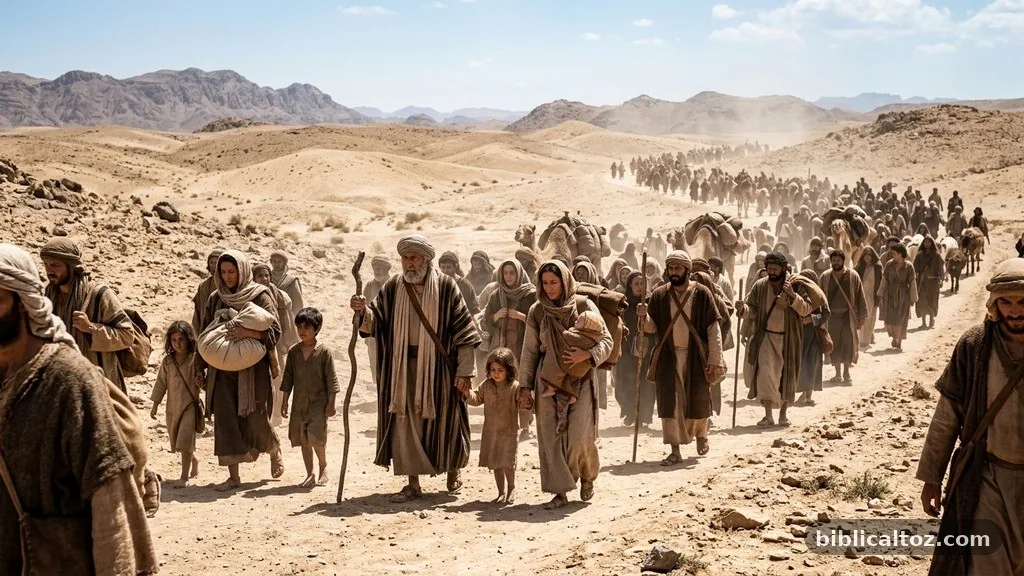
The term refers to the departure of the Hebrew people from Egypt, where they had been held in forced labor for generations. The book of Exodus documents this journey, beginning with their oppression under a harsh ruler and ending with their arrival at the foot of Mount Sinai. It is a story of divine intervention where God hears the cries of the suffering and acts to set them free.
Why Were the Israelites in Egypt?
The presence of the Israelites in Egypt traces back to the life of Joseph, the son of Jacob. After being sold into slavery by his brothers, Joseph eventually became a high-ranking official in Egypt, saving the region from famine. His family joined him there, and over several centuries, their descendants grew into a vast population, as recorded in the book of Genesis.
Israel’s Slavery in Egypt
As time passed, a new king arose who did not know Joseph or his contributions. Fearing the growing number of the Israelites, this ruler, known as Pharaoh, forced them into grueling manual labor. He commanded that all newborn Hebrew boys be killed, hoping to suppress their numbers and crush their spirit.
Moses and His Calling
Moses was born during this time of intense persecution. His mother hid him in a basket among the reeds of the Nile River, where he was discovered and adopted by Pharaoh’s daughter.
After killing an Egyptian who was beating a Hebrew slave, Moses fled to the wilderness of Midian. Years later, God spoke to him through a burning bush, commissioning him to return to Egypt and lead His people out of bondage.
Moses Confronts Pharaoh
Returning to Egypt, Moses and his brother Aaron appeared before Pharaoh with a simple demand: let the people go so they could worship God in the wilderness. Pharaoh, whose heart was hardened, repeatedly refused to release the labor force. This confrontation set the stage for a series of miraculous signs meant to demonstrate the supreme power of God.
The Ten Plagues of Egypt
The plagues were a series of judgments against the gods of Egypt, proving that the God of Israel held authority over all creation.
| Plague | Description |
|---|---|
| 1 | Water turned to blood |
| 2 | Frogs covered the land |
| 3 | Gnats infested the people and animals |
| 4 | Swarms of flies |
| 5 | Livestock disease |
| 6 | Boils on humans and animals |
| 7 | Hail and fire |
| 8 | Locusts |
| 9 | Darkness for three days |
| 10 | Death of the firstborn |
The Passover

During the final plague, God instructed the Israelites to sacrifice a lamb and mark their doorposts with its blood. This act of faith protected their homes from the judgment that struck the firstborn of Egypt. The Passover became an annual reminder of how God spared His people and delivered them from death, a theme that carries deep meaning in the New Testament.
The Parting of the Red Sea
Even after their release, Pharaoh pursued the Israelites with his army. Trapped between the mountains and the sea, the people panicked, but Moses told them to stand firm. God miraculously parted the waters, allowing the Israelites to cross on dry land before the sea returned to cover the Egyptian chariots.
Israel in the Wilderness
Following the escape, the people traveled through the desert toward the promised land. During this time, they faced many challenges, including hunger and thirst. God provided for them daily, sending manna from heaven and water from a rock, demonstrating His constant care and presence.
Mount Sinai and the Covenant
At Mount Sinai, God gave Moses the Ten Commandments and established a formal covenant with Israel. This agreement defined how they were to live as a holy nation dedicated to Him. It also included instructions for building the tabernacle, a portable sanctuary where God would dwell among His people.
What Does the Exodus Mean in the Bible?
The narrative centers on several key themes:
- Deliverance from slavery and sin.
- The importance of obedience to God’s commands.
- The faithfulness of God to His promises and covenants.
- The necessity of faith during times of testing.
- God’s desire to dwell in the midst of His people.
Important Bible Verses About the Exodus
Exodus 3:14 records God identifying Himself as “I AM THAT I AM,” emphasizing His eternal nature. Exodus 14:14 encourages the people to be still, as God fights for them. These verses highlight the central role of God as the active Savior of His people throughout the history of the Exodus in the Bible.
Lessons Christians Can Learn From the Exodus
You can learn that God notices your struggles and cares deeply about your freedom. Just as He led Israel out of Egypt, He offers a way for you to be redeemed from the power of sin. The story teaches that trust in God is required even when the path forward seems blocked or impossible.
Common Questions About the Exodus
Did the Exodus really happen?
The biblical account presents the event as a historical reality that defines the identity of Israel. While archaeological evidence is debated, the event is treated as the foundational truth of Israel’s relationship with God.
Why did God harden Pharaoh’s heart?
The text indicates that God used Pharaoh’s resistance to demonstrate His sovereign power over the idols of Egypt, ultimately ensuring that His name was known throughout the earth.
What is the spiritual significance of the Passover lamb?
For Christians, the lamb represents the sacrifice of Jesus, who is described as the Lamb of God, providing the ultimate deliverance from the penalty of sin.
Why did the Israelites wander for forty years?
Their journey was prolonged because of their lack of faith and refusal to trust God when they reached the borders of the promised land.
Conclusion
The story of the Exodus in the Bible serves as a powerful reminder of God’s redemptive work. It shows that He is not a distant observer but an active participant who rescues the oppressed and establishes a covenant of grace. By reflecting on how God moved in the lives of the Israelites, you can find encouragement for your own journey, knowing that the same God who parted the sea remains faithful to His people today.
As you read through the book of Exodus, consider how these ancient lessons apply to your walk of faith. May you find strength in the knowledge that God is always working to lead you toward the freedom and purpose He has planned for your life.