El Olam Meaning: The Everlasting God in Scripture
Grasping the El Olam meaning provides a profound window into the character of the Creator as someone who stands outside the boundaries of human history. When we look at the Hebrew roots behind this title, we find a declaration of God’s permanence that contrasts sharply with our fleeting experiences.
By examining the specific instances where this name appears in the Old Testament, we can better appreciate how the patriarchs and prophets relied on His unchanging nature during their most uncertain seasons. This study offers a closer look at why this specific name remains vital for understanding the stability of faith today.
The Definition and Linguistic Roots of El Olam
At its core, the Hebrew term El Olam is composed of two significant words. The first, El, is a common Semitic term for God, often associated with power or strength.
The second, Olam, is a word with a deep and varied semantic range. While many readers immediately associate it with the concept of eternity, its original usage often referred to the horizon or the distant, hidden past and future.
When combined, the El Olam meaning points toward a God who is not bound by the limitations of time or space. He is the God of the horizon, the one who sees the beginning from the end. In biblical Hebrew, this name functions as a theological anchor, assuring the believer that the character of the Creator does not shift or fade as human generations come and go.
The Historical Context in Genesis 21
The first biblical appearance of this name occurs in a significant moment in the life of Abraham. Following a period of tension and a covenant agreement with Abimelech regarding water rights at Beersheba, Abraham plants a tamarisk tree. This act serves as a physical memorial of his encounter with the divine.
Abraham and the Well of the Oath
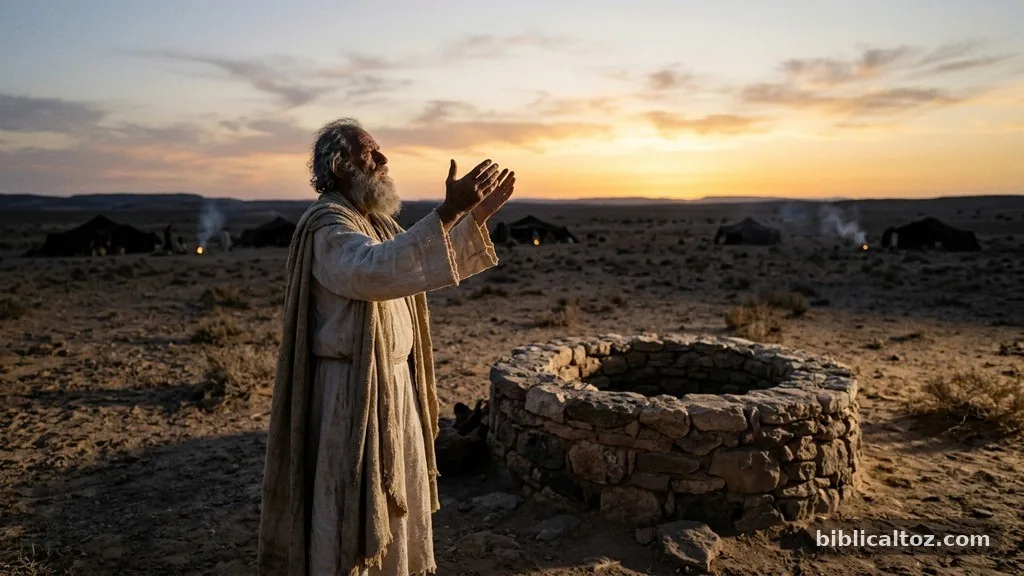
After settling the dispute at the well, the text notes that Abraham called upon the name of the LORD, the Everlasting God. This wasn’t merely a casual prayer; it was a deliberate recognition that while earthly treaties and human agreements are temporary, the Lord remains the constant witness and guarantor of promises. By invoking this name, Abraham acknowledged that his security rested in an eternal power rather than in the shifting alliances of local kings.
The Significance of the Tamarisk Tree
The planting of the tamarisk tree is more than a simple gardening act. In the arid climate of the Negev, these trees provide long-lasting shade and remain green even during harsh droughts. By identifying God as El Olam in the shadow of this tree, Abraham linked the enduring, resilient nature of the plant to the character of the Almighty.
Analyzing the Hebrew Term Olam
To understand the full scope of the term, we must look at how the word operates throughout the Hebrew Scriptures. It does not always signify an abstract philosophical concept of infinite time. Instead, it often refers to the “age” or the “duration” of something.
The Semantic Range of Olam
Olam can describe the duration of a human life, the lifespan of a nation, or the period leading up to the end of the world. When applied to God, however, it takes on a superlative quality. It suggests that if the “age” of the world is a long period, God is the author and sustainer of all such ages.
| Context | Common Meaning of Olam |
|---|---|
| Human lifespan | A lifetime or generation |
| Historical eras | Past ages or antiquity |
| Divine nature | Everlasting or eternal |
| Covenantal promises | An age-long or perpetual duration |
God’s Enduring Nature and Faithfulness
The title El Olam serves as a bridge between God’s majesty and His active involvement in history. Because He is the Everlasting God, His faithfulness is not subject to the pressures of time. He does not grow weary, nor does He forget the promises He made to His people centuries prior.
Prophetic Insights in Isaiah
The prophet Isaiah draws upon this understanding of God to offer comfort to a weary nation. In the famous passage where he describes God as the creator of the ends of the earth, he emphasizes that the Everlasting God does not faint or grow weary. This usage suggests that the El Olam meaning is deeply tied to the concept of divine strength. For the exiles in Babylon, this was a reminder that their circumstances, however dire, were temporary compared to the reign of the One who holds all time in His hands.
Covenant Promises and Stability
The relationship between this name and the covenant is essential. When God makes a promise, He is not limited by the timeframe of the recipient. He is the God of the everlasting covenant, meaning His commitment to His people spans across generations. This provides a sense of security that is found nowhere else in human experience.
Common Questions About El Olam
Where in the Bible is El Olam found?
The name appears explicitly in Genesis 21:33, where Abraham invokes the name of the LORD, the Everlasting God. While the exact phrase is used sparingly, the concept of God’s eternal nature is woven throughout the Psalms and the prophetic books.
Why did Abraham call God El Olam?
Abraham used this title to solidify his reliance on God’s unchanging nature after a period of conflict. By calling on the Everlasting God, he acknowledged that his security was based on God’s eternal faithfulness rather than a temporary human treaty.
How does Olam differ from other terms for eternity?
Unlike abstract Greek philosophical terms for eternity, which often imply a static existence outside of time, Olam describes a duration that spans ages. It is a relational term that connects God’s permanence to His interaction with human history.
Is El Olam related to Jesus?
In Christian theology, the attributes of the Everlasting God are applied to Jesus. The New Testament writers frequently describe Him as the Alpha and the Omega, the one who was, and is, and is to come, effectively echoing the same sentiment found in the Old Testament title.
Practical Lessons for Faith
Understanding this name invites us to shift our perspective on our own struggles. When we feel overwhelmed by the speed of life or the uncertainty of our future, we can look to the one who is the God of the horizon. He is not surprised by the events that happen within our “age,” nor is He limited by them.
- Trust in God’s long-term vision rather than immediate circumstances.
- Recognize that human promises may fail, but God’s word is eternal.
- Find rest in the fact that God is the author of all time.
- Use the name El Olam in prayer to center your mind on divine stability.
Conclusion
The El Olam meaning invites us to find refuge in the character of a God who transcends the limits of our calendar. By defining Himself as the Everlasting God, He offers a promise of stability that anchors our faith regardless of the shifting sands of history.
Abraham’s act of planting a tree and calling on this name remains a poignant reminder that we, too, can establish memorials of faith in our own lives. As you continue your study of the names of God, may you find peace in knowing that the One who was, is, and will be is the same God who walks with you today.
If this exploration of the names of God has been helpful, we invite you to browse the rest of our library at BiblicalToZ for more insights into the depth and beauty of Scripture.