Doors in the Bible Symbolism: Spiritual Openings and Closings
Doors in the Bible symbolism serve as powerful metaphors for transition, choice, and divine intervention. Throughout scripture, a door represents far more than a physical barrier; it acts as a threshold between the mundane and the sacred, or the past and a new season of life. By examining these passages, we gain insight into how ancient writers viewed the movement between humanity and the divine.
The Threshold of Opportunity and Divine Guidance
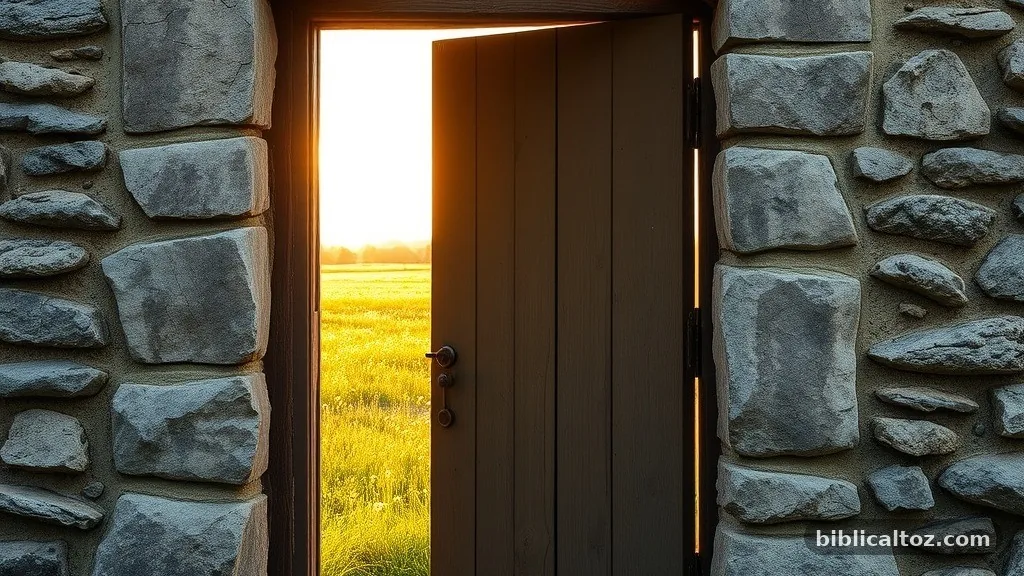
In many biblical narratives, an open door signifies a period of favor, blessing, or a new assignment from God. These instances are rarely about mere physical movement; instead, they represent a shift in one‘s spiritual trajectory. When the Bible speaks of God setting an open door before a person, it implies that a path has been cleared by a higher power, providing a clear opportunity to advance in faith or purpose.
Conversely, a shut door is not always a sign of failure. In several instances, a closed door serves as divine protection, preventing a person from walking into a situation that is not in their best interest. Recognizing the difference between a test of patience and a clear redirection requires discernment, as the Bible often frames the closing of a door as a way to focus one’s attention on a different, more beneficial path.
Jesus as the Way and the Gate
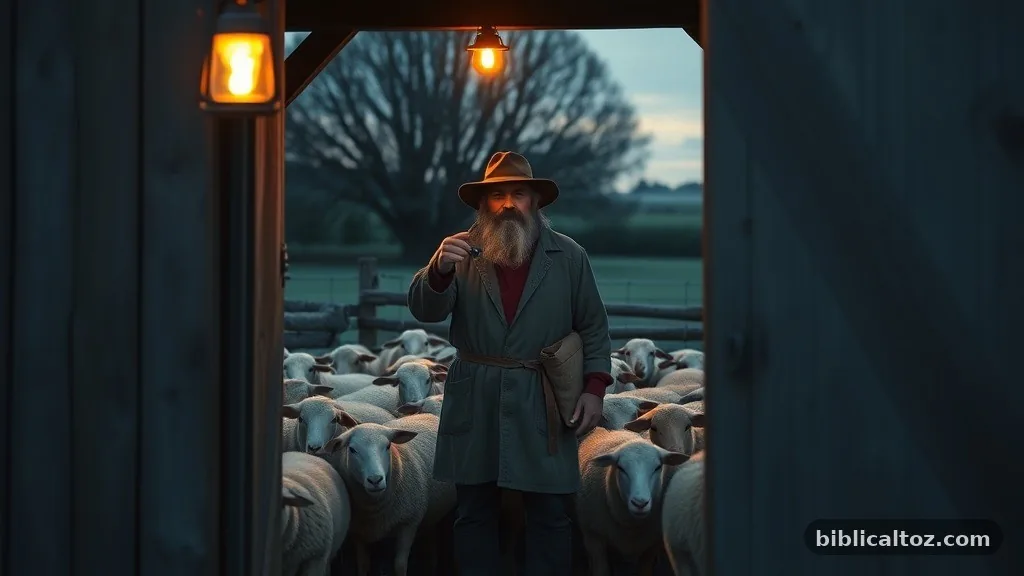
One of the most profound applications of this imagery is found in the New Testament, where Christ describes himself as the door. By identifying as the gate for the sheep, he positions himself as the exclusive point of entry for salvation and relationship with God. This symbolism shifts the focus from a physical structure to a person, suggesting that access to the divine is found through a specific relationship rather than a set of rules.
The Symbolism of Access
* Salvation: The door represents the transition from a life of separation to one of reconciliation.
* Protection: Just as a physical door keeps out harm, the presence of Christ is presented as a spiritual barrier against the influence of things that seek to destroy one’s peace.
* Intimacy: A door allows for communication; it is the point where the inner life of the believer meets the presence of the divine.
Transitions and Turning Points

The Bible often uses the imagery of doors to mark life-altering decisions. Whether it is the Passover, where the blood on the doorposts marked the Israelites for safety, or the metaphorical door of the heart mentioned in Revelation, the concept remains consistent: the door is the point of decision. It is the moment where an individual must choose whether to stand on the outside or walk through into a new reality.
These transitions often require an act of faith. To walk through a door provided by God, one must be willing to leave behind the security of the current environment. This act of movement is a recurring theme in the lives of biblical figures who are called to leave their homes or their comfort zones to embrace a larger, divinely ordained purpose.
Discerning the Will of God
Many believers often ask how to identify if a door is truly from God. The Bible suggests that these opportunities are usually aligned with the character of the divine and the broader principles of scripture. If a path creates a genuine opportunity for service, growth, and the manifestation of good fruit, it is often viewed as a door opened by faith.
However, spiritual maturity involves understanding that not every opening is an invitation to walk through. Just as one must be careful about which doors they open, they must also be mindful of the doors they choose to keep shut. Wisdom in this context involves listening for divine guidance, ensuring that one’s choices are not merely self-serving but are part of a larger, meaningful journey toward spiritual maturity.