Do Babies Go to Heaven? A Pastoral Perspective
When parents face the profound loss of a child, the question of whether babies go to heaven often rises from the depths of a grieving heart. It is a deeply personal inquiry that seeks comfort in the character of God during life’s most difficult moments.
While the scriptures do not provide a single, explicit verse that outlines a formal doctrine of infancy, they offer a rich tapestry of promises regarding the nature of divine mercy and love. By looking at how God interacts with the vulnerable throughout the biblical narrative, many find a steady foundation of hope that transcends simple explanations.
What Does the Bible Say About Children and God’s Love?
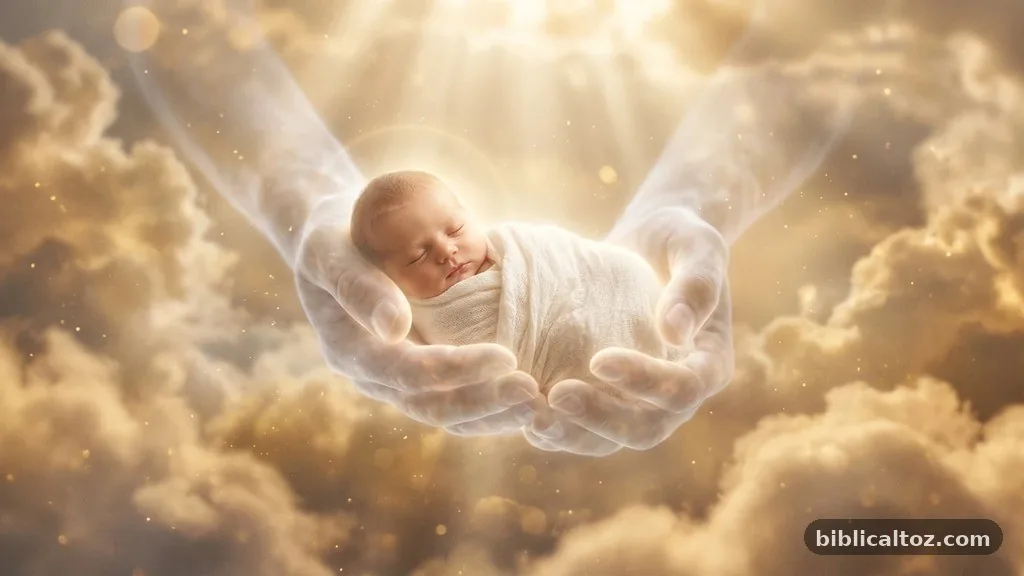
The Bible consistently portrays God as a protector of the weak and a lover of children. From the earliest chapters of the Old Testament to the final pages of the New, there is a clear emphasis on the value God places on human life, regardless of age or stature. Children are frequently described as a heritage and a blessing from the Lord.
This perspective suggests that God’s relationship with children is defined by His grace. Even when the human condition is described as fallen, the Bible highlights God’s initiative in drawing near to those who cannot yet understand or respond to complex theological truths.
Does the Bible Directly Answer Whether Babies Go to Heaven?
It is important to acknowledge that the Bible does not explicitly state, “All infants who die go to heaven.” Because of this, many theologians distinguish between clear commands and deductions made from the character of God. The silence of the text on this specific issue is not necessarily a sign of uncertainty, but rather an invitation to trust in the nature of a compassionate Creator.
Most Christian traditions rely on the principle of general revelation and the specific attributes of God—His justice, mercy, and love—to form their beliefs. Relying on these attributes allows believers to rest in the assurance that God is perfectly good and that His judgment is never arbitrary or harsh.
What Can We Learn from David’s Words in 2 Samuel 12:15–23?
The story of King David and his infant son provides one of the most poignant moments of hope in the Old Testament. After the child died, David stopped his weeping, washed his face, and went to the house of the Lord to worship. When his servants expressed confusion at his behavior, David replied in 2 Samuel 12:23, saying, “I shall go to him, but he will not return to me.”
This statement is widely viewed by scholars and pastors as a declaration of faith that he would be reunited with his child in the afterlife. David did not express a hope based on his own merit, but rather a confidence in the place where his son had gone. It serves as a powerful biblical anchor for parents who hope to see their children again in the presence of God.
What Did Jesus Teach About Children?
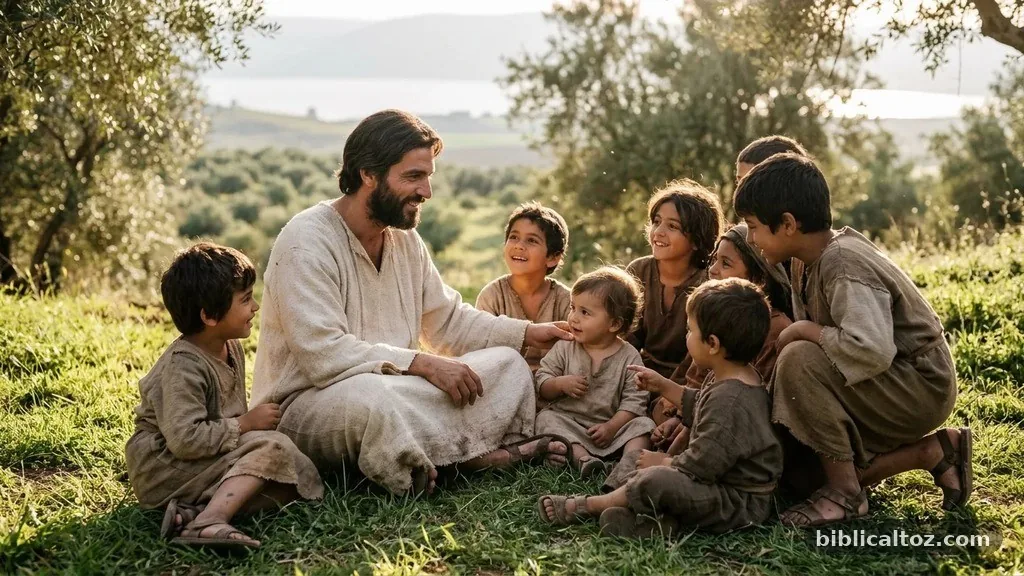
Jesus held children in high regard, often using them as models for the kingdom of God. In Matthew 19:14, He said, “Suffer little children, and forbid them not, to come unto me: for of such is the kingdom of heaven.” This teaching challenged the social norms of His day, where children were often overlooked or considered unimportant.
Furthermore, in Matthew 18:1–6, Jesus placed a child in the midst of His disciples and warned against causing “one of these little ones” to stumble. His deep affection for children suggests that they are held in a unique category of grace. The following table summarizes key themes regarding children in the ministry of Jesus:
| Teaching/Event | Biblical Emphasis |
|---|---|
| Matthew 18:1-6 | Children as models of humility and faith. |
| Matthew 19:13-15 | The kingdom of heaven belongs to such as these. |
| Mark 10:16 | Jesus took them up in His arms and blessed them. |
God’s Justice, Mercy, and Compassion
The character of God is the ultimate refuge for those questioning the fate of their children. If God is perfectly just, He cannot condemn those who lack the capacity to reject Him or understand the gospel. If He is perfectly merciful, He delights in the restoration of the broken.
Many believe that the innocence of a child, coupled with God’s infinite capacity for grace, ensures that children who die in infancy are covered by the finished work of Christ. This is not because they are inherently without sin, but because Christ’s sacrifice is sufficient to cover those who are unable to make a conscious choice for themselves.
What Do Different Christian Traditions Believe?
Christian denominations approach this topic with varying levels of formality. While there is no single, universally agreed-upon dogma, most traditions lean toward an optimistic view of God’s mercy.
- Many Protestant traditions emphasize the sufficiency of Christ’s grace for those who cannot exercise faith.
- Catholic theology has historically discussed the concept of Limbo, though modern perspectives emphasize the hope for God’s mercy for infants who die without baptism.
- Orthodox traditions often entrust the souls of infants to the boundless love and mystery of God.
- Many evangelical perspectives explicitly teach that all children are covered by grace until they reach an age of accountability.
How Can the Bible Comfort Parents Who Have Lost a Child?
The scriptures offer more than just theological answers; they offer a path through grief. When you feel overwhelmed, consider these biblical truths:
* God is near to the brokenhearted and saves those crushed in spirit.
* Jesus Himself wept at the tomb of Lazarus, showing that He understands the pain of loss.
* Heaven is described as a place where there will be no more sorrow, crying, or pain.
These promises remind parents that their grief is seen and held by a God who knows the intimate details of their loss. You do not have to carry this burden in isolation.
FAQ
Is there a specific age of accountability in the Bible?
The Bible does not define a specific age of accountability. This is a theological concept used to describe the point at which a person becomes morally responsible for their actions before God.
Do children change when they enter heaven?
The Bible does not provide details on the physical state of children in the afterlife. However, it promises that we will be made new and that our bodies will be transformed, suggesting a state of perfect wholeness.
What if my baby was not baptized?
Many Christians believe that baptism is an act of obedience for believers and that salvation is found in Christ alone. They find comfort in the belief that God’s grace is not limited by human rituals.
Does God punish parents through the death of a child?
The scriptures do not support the idea that a child’s death is a punishment for a parent’s lack of faith. Jesus taught against the idea that tragedy is always a direct result of personal sin.
Conclusion
The question of whether babies go to heaven touches on the deepest parts of our faith and our humanity. While the scriptures leave some aspects of the afterlife to the mystery of God’s sovereign will, they paint a consistent picture of a Father who loves, protects, and welcomes the little ones. By resting in the character of God—His justice, His intimate knowledge of us, and His infinite mercy—we can find a quiet peace in the midst of sorrow.
If you are walking through the loss of a child, please know that you are not alone. Lean into the prayers of your community, hold onto the promises of Scripture, and trust that your child is in the hands of the One who loves them even more than you do. You are invited to bring your questions and your grief to God, knowing that He is a safe place for every heavy heart.