Daniel in the Lions’ Den: Bible Story, Meaning & Lessons of Faith
The account of Daniel in the lions’ den serves as a profound example of unwavering devotion in the face of mortal danger. Found in the sixth chapter of the book of Daniel, this narrative depicts a man whose commitment to prayer outweighed his fear of political retribution.
By examining the actions of this faithful servant, you will gain a clearer perspective on how integrity and trust in God function during times of intense personal crisis. Whether you are seeking historical context or spiritual encouragement, understanding the experience of Daniel in the lions’ den offers timeless wisdom for navigating the challenges of life with courage and steadfastness.
Who Was Daniel?
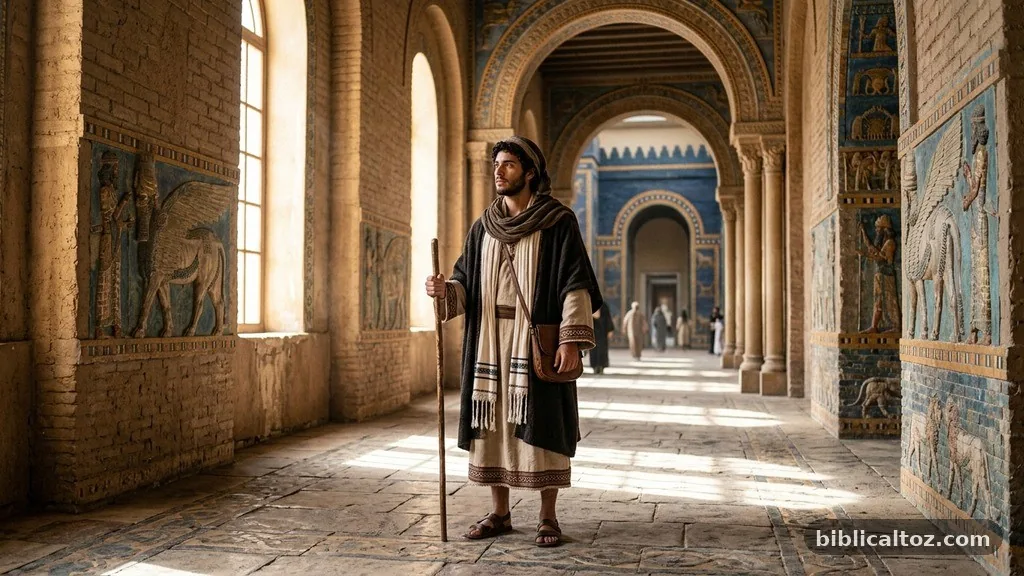
Daniel was a captive from Judah who was brought to Babylon during the reign of Nebuchadnezzar. Despite his status as an exile, he quickly distinguished himself through his wisdom and his refusal to defile himself with the king‘s food. Throughout the various chapters of his life, he was known for his ability to interpret dreams and visions, which earned him a reputation as one of the most capable leaders in the empire.
Daniel’s Position Under King Darius
When the Medes and Persians conquered Babylon, the new king, Darius, organized his government by appointing one hundred and twenty satraps. Over these men, he placed three presidents, and Daniel was one of them. Because of his excellent spirit, the king planned to set him over the entire realm, which naturally drew the attention and jealousy of the other officials.
Why Did the Officials Plot Against Daniel?
The other presidents and satraps could find no fault in Daniel’s work, as he was both faithful and diligent. Recognizing that they could not catch him in any administrative error, they concluded that the only way to ruin him was to attack his religious practice. They realized that if they could create a conflict between his duties to the state and his service to God, they might finally force his downfall.
The Decree Against Prayer
These men approached King Darius with a deceptive proposal. They suggested that the king issue a royal statute that anyone who petitioned any god or man for thirty days—except for the king himself—should be cast into the den of lions. The king, unaware of their malicious intent, signed the decree into law, making it irrevocable according to the laws of the Medes and Persians.
Daniel Continues to Pray
Despite knowing that the writing was signed, Daniel did not alter his routine. He went into his house, where his windows were open toward Jerusalem, and he knelt on his knees three times a day. He continued to pray and give thanks before his God, just as he had done previously, refusing to hide his devotion to the Creator.
Daniel Is Accused
The conspirators kept a close watch on Daniel and soon found him praying and making supplication before God. They immediately reported this to King Darius, reminding him that the decree strictly forbade such actions. When the king heard this, he was deeply distressed, as he realized he had been manipulated into condemning his most loyal advisor to death.
Daniel Is Thrown Into the Lions’ Den
The king labored until sunset to find a way to rescue Daniel, but the officials insisted that the law of the Medes and Persians could not be changed. Reluctantly, Darius ordered that Daniel be brought and cast into the lions’ den. A stone was brought and laid over the mouth of the den, and the king sealed it with his own signet ring so that nothing could be altered regarding Daniel.
God Protects Daniel

The king spent a sleepless, fasting night in his palace, unable to find comfort or entertainment. At the break of dawn, he hurried to the den. The following table summarizes the key figures involved in this event:
| Individual | Role in the Event |
|---|---|
| King Darius | The ruler who signed the law and sought to save Daniel. |
| Daniel | The faithful servant who prayed despite the prohibition. |
| The Officials | The conspirators who plotted to trap Daniel. |
King Darius Discovers Daniel Is Alive
When the king reached the den, he cried out in a lamenting voice, asking if the God whom Daniel served had been able to deliver him. Daniel answered, “O king, live forever. My God has sent his angel and has shut the lions’ mouths, and they have not harmed me, because I was found blameless before him.”
What Happened to Daniel’s Accusers?
The king was overjoyed and commanded that Daniel be brought up from the den. No injury was found on him because he had believed in his God. Following this, the king commanded that the men who had accused Daniel be cast into the lions’ den, along with their children and wives, and the lions overpowered them immediately.
Why Did Daniel Refuse to Stop Praying?
Daniel’s refusal to stop praying was not an act of rebellion against the king, but an act of supreme loyalty to God. He understood that his primary identity was as a servant of the Almighty. Stopping his prayer would have been an admission that the king’s authority superseded God’s, a compromise he was not willing to make.
What Does Daniel in the Lions’ Den Mean?
The story serves as an enduring symbol of divine protection for those who remain faithful under pressure. It illustrates that spiritual integrity often comes at a cost, but that God is capable of intervening in impossible situations. It also highlights the contrast between worldly power, which is often fickle, and the sovereignty of God, which remains constant.
Lessons About Faith, Prayer, Integrity, and Courage
- Faithfulness is required even when it is inconvenient or dangerous.
- Prayer should be a consistent habit, not just a reaction to crisis.
- Integrity in your daily work provides a strong witness to others.
- Courage is found in trusting God’s outcome rather than human protection.
- God’s sovereignty remains absolute, even under human laws and decrees.
Key Bible Verses From Daniel 6
“Then the king commanded, and they brought Daniel, and cast him into the den of lions. Now the king spoke and said to Daniel, Your God whom you serve continually, he will deliver you.” (Daniel 6:16)
“My God has sent his angel, and has shut the lions’ mouths, and they have not harmed me, because I was found blameless before him; and also before you, O king, I have done no harm.” (Daniel 6:22)
Common Questions
What is the primary moral of this story?
The story emphasizes that remaining faithful to God is the highest priority, even when faced with persecution or death. It teaches that God honors those who stand firm in their convictions.
Did Daniel fear the lions?
The Bible does not record Daniel’s internal emotions, focusing instead on his consistent actions. His calm response to the king suggests he was at peace, trusting entirely in God’s protection.
Why did the king allow the punishment?
King Darius was bound by the rigid, irrevocable nature of the laws of the Medes and Persians. Once the decree was signed, he lacked the legal authority to override it, which caused him great personal anguish.
How long was Daniel in the den?
The text indicates he stayed in the den overnight, as the king came to check on him at the very first light of dawn the next morning.
Conclusion
The account of Daniel in the lions’ den remains one of the most powerful narratives in scripture, illustrating the strength found in quiet, consistent devotion. By prioritizing his relationship with the Creator, Daniel demonstrated that true courage is simply the refusal to compromise one’s principles. As you reflect on his experience, consider how you might maintain your own integrity in the face of modern pressures. Whether you are facing a workplace challenge or a personal trial, the story encourages you to trust that your commitment to God is seen and valued. Take heart in the knowledge that faithfulness is never in vain, and continue to seek God with the same boldness that defined the life of this servant.