Bethlehem in the Bible: History, Geography, and Significance
Few locations hold as much historical and theological weight as the small town south of Jerusalem. When investigating the presence of Bethlehem in the Bible, you uncover a narrative that spans centuries, connecting humble beginnings to grand royal legacies.
This town serves as a silent witness to some of the most pivotal moments in scripture, from the quiet fields of the judges to the arrival of the promised king. Understanding the geography and the cultural context of this region provides a clearer picture of why it occupies such a central place in the ancient Near Eastern landscape and the broader biblical tradition.
Where Is Bethlehem in the Bible?
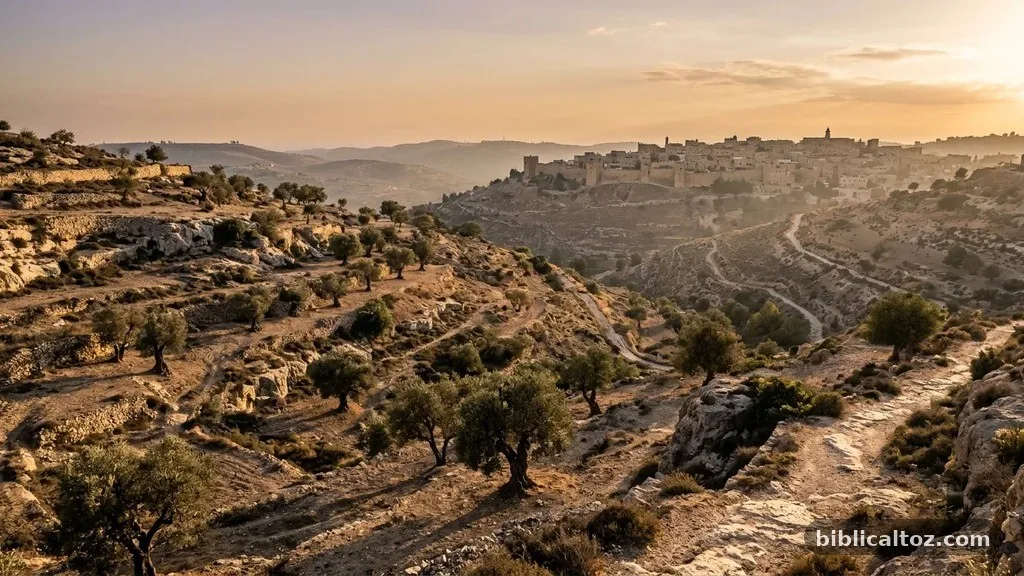
Geographically, this town is situated in the hill country of Judah, approximately five to six miles south of Jerusalem. In the ancient world, it was often referred to as Bethlehem-Judah to distinguish it from a northern town of the same name in the territory of Zebulun. Its elevation provided a strategic vantage point, though it remained a relatively small and unassuming settlement for much of its early history.
The location was well-known for its fertile surroundings, which stood in contrast to the more arid regions of the Judean wilderness nearby. Its proximity to the main trade routes made it a transit point for travelers, yet it remained physically and culturally distinct from the bustling urban centers of the time.
What Does the Name Bethlehem Mean?
The name itself is derived from two Hebrew words: “beit,” meaning house, and “lechem,” meaning bread. Together, the name translates to “House of Bread.” This name is deeply symbolic within the context of the region’s agricultural history, as the area was known for its grain production and wheat fields.
Beyond its literal meaning, the name takes on a profound metaphorical quality throughout the scriptures. The idea of a place that provides sustenance becomes a recurring theme, eventually tying into broader theological discussions regarding the nature of provision and the identity of the figures who emerged from this specific soil.
Bethlehem in the Story of Ruth and Naomi
The Book of Ruth provides one of the most intimate portraits of life in this town. When Naomi returned from Moab with her daughter-in-law Ruth, they arrived at the start of the barley harvest. It was in the fields surrounding the town where Ruth gleaned grain to support herself and her mother-in-law, a practice that allowed the poor to collect leftover crops.
This period in the town’s history highlights the social fabric of the time, emphasizing themes of loyalty, redemption, and inclusion. The marriage of Ruth and Boaz, which took place within the town’s gates, solidified the connection between the local community and the ancestral line that would later produce royalty.
Bethlehem and the Birth of King David
The town is perhaps most famous in the Old Testament as the home of the Jesse family and his youngest son, David. In 1 Samuel 16, the prophet Samuel is instructed by God to travel to this specific location to anoint one of Jesse’s sons as the future king of Israel.
This event marks a turning point in the nation’s history. While the older, more impressive brothers were initially considered, the choice fell upon the shepherd boy who was tending his family’s flocks in the surrounding pastures. This narrative reinforces the idea that greatness is often found in the most unexpected places.
Why Is Bethlehem Called the City of David?
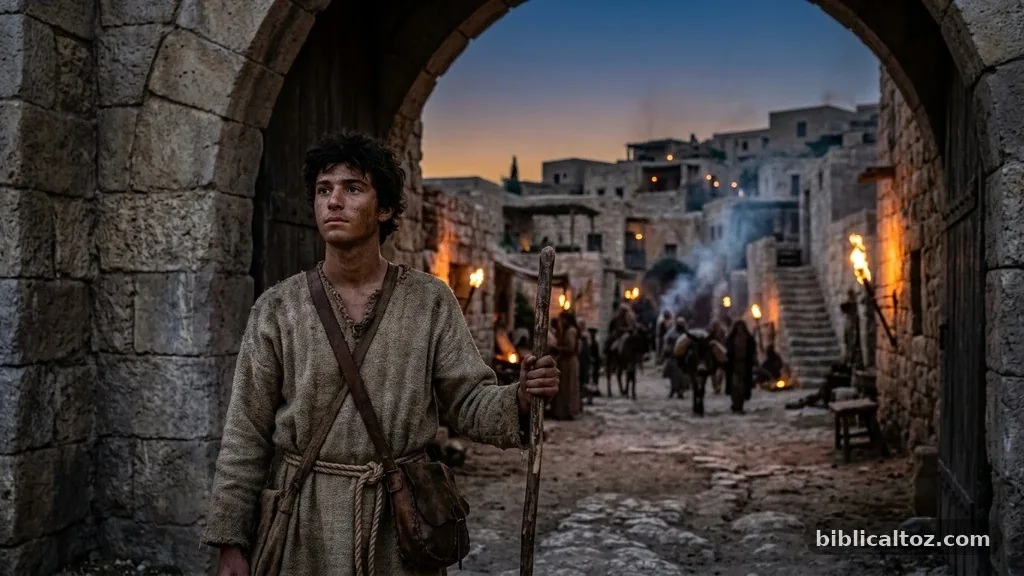
It is common for readers to confuse the two locations associated with the second king of Israel. While Jerusalem is often called the City of David because he conquered it and established his capital there, Bethlehem is the town of his birth and ancestral home.
| Location | Significance |
|---|---|
| Bethlehem | Ancestral home and birthplace of David |
| Jerusalem | Administrative capital and site of the royal court |
The distinction is important for understanding how the scriptures track the lineage of leadership. By identifying the town as the City of David, the biblical writers anchor the identity of the king in his humble beginnings before his rise to power in the capital.
Bethlehem in Micah’s Prophecy
The prophet Micah, writing in the eighth century BCE, focused on this town to deliver a message about the future of Israel’s leadership. Micah 5:2 famously states that though the town is small among the clans of Judah, from it would come one who would be ruler over Israel.
This prophecy elevated the status of the location from a minor village to the focal point of messianic expectation. It provided a specific geographic marker for those looking for the arrival of a deliverer, creating a clear link between the history of the monarchy and the hope for a future restoration.
Bethlehem and the Birth of Jesus
The narratives of the birth of Jesus in the Gospels of Matthew and Luke provide the culmination of the town’s biblical history. In Luke 2, the journey of Mary and Joseph is prompted by a Roman census, requiring them to return to their ancestral home to register.
Matthew 2 provides a different perspective, focusing on the visit of the magi who followed a star to reach the place where the child was born. These two accounts, while differing in their narrative details, both emphasize the town as the fulfillment of ancient expectations. They present the birth not as a coincidence, but as an intentional alignment with the prophetic tradition.
Bethlehem in the Gospels
Beyond the birth narratives, the town is frequently referenced in the Gospels to establish the identity of Jesus. The local origin of the family is a key point of discussion among the people, with some questioning his authority based on his perceived background.
- It served as the starting point for the flight to Egypt to escape Herod.
- It acted as a point of reference for the genealogy of the family.
- It functioned as a symbol of the connection between the Davidic line and the ministry of Jesus.
These references serve to ground the theological claims about the Messiah in the physical history of the region. By rooting his story in the geography of the past, the Gospel writers connect the life of Jesus to the broader sweep of Israelite history.
Why Bethlehem Matters in the Bible
The significance of this place lies in its consistency as a site of transition. It is where Ruth found a new beginning, where David was chosen for leadership, and where the narrative of the New Testament shifts from prophecy to event.
It represents the idea that the most significant movements in history often begin in places that the world might overlook. The focus on the town is not merely about geography, but about the continuity of a promise that spans generations and bridges the gap between the ancient monarchy and the new movement that emerged in the first century.
Frequently Asked Questions
Is Bethlehem in Israel or Palestine?
Today, the town is located in the West Bank, under the administration of the Palestinian Authority. Its status and geography have changed significantly since the biblical period.
Why did God choose Bethlehem for the birth of Jesus?
Biblical scholars often point to the connection to King David. Because the Messiah was expected to be a descendant of David, his birth in the same town served as a verification of his royal lineage.
How long did Joseph and Mary live in Bethlehem?
The scriptures do not provide a specific duration. The narratives suggest they were there for the birth and the subsequent events involving the magi, but they soon departed for Egypt and later settled in Nazareth.
Are visitors allowed to enter Bethlehem?
Yes, the town remains a site of historical and religious interest. Visitors frequently travel there to see the sites associated with the traditions of the birth of Jesus, though travel regulations can change depending on current political conditions.
Conclusion
The story of this town is a thread that runs through the history of the Jewish and Christian traditions. By tracing the presence of Bethlehem in the Bible, one sees a clear progression from a small, agricultural settlement to a place of profound national and religious importance. Whether you are studying the life of David, the loyalty of Ruth, or the origins of the movement centered on Jesus, the town remains a vital point of reference.
Engaging with the history and geography of the region helps to clarify the context in which these foundational events took place. If you are interested in further exploring these themes, consider looking into the archaeological history of the region or the cultural practices of the era to deepen your understanding of the landscape.