What Is Lent? Meaning, History, and Traditions?
For many people across the globe, the period of time leading up to Easter serves as a profound season of reflection and spiritual renewal. When asking what is lent, it is helpful to view it as a deliberate window of preparation designed to align the heart and mind with the life, death, and resurrection of Jesus.
By engaging in acts of self-denial and intentional focus on prayer, participants seek to strip away distractions and deepen their connection with God. This article explores the historical roots, diverse practices, and varied denominational expressions that define this significant season within the Christian church.
What Does the Word Lent Mean?
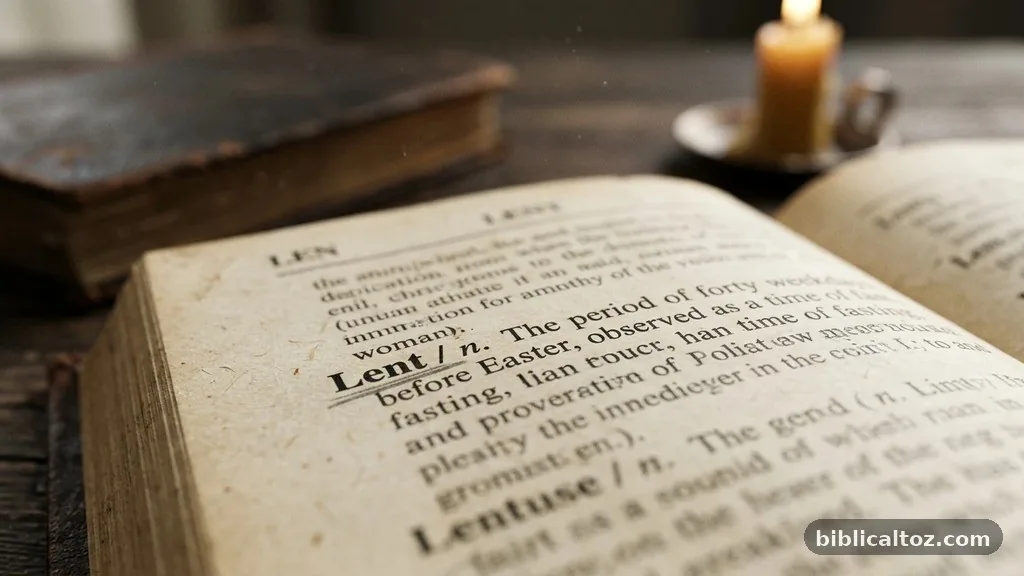
The word Lent traces its linguistic roots back to the Old English word lencten, which refers to the time of year when the days begin to lengthen in the Northern Hemisphere. This term is essentially synonymous with springtime. Over the centuries, the word evolved to describe the specific period of fasting and prayer that precedes the celebration of Easter.
While the term is secular in its origin—merely denoting the arrival of spring—it has been adopted by the church to symbolize a spiritual spring. Just as nature awakens and sheds the dormancy of winter, the season encourages believers to experience a internal awakening and a shedding of old habits.
When Does Lent Begin and End?
Determining the dates for this season can be confusing because the calendar shifts annually based on the lunar cycle. Lent officially begins on Ash Wednesday and concludes on the evening of Maundy Thursday, just before the start of the Triduum, or the three days leading to Easter Sunday. Because Easter is a moveable feast, the dates for these forty days change every year.
It is important to note that different traditions calculate these days differently. In Western Christianity, the fast typically spans forty-six days, but because Sundays are traditionally considered “mini-Easters” and not days of penance, the actual number of fast days is forty. In Eastern Orthodox traditions, the calculation is often stricter, sometimes including Saturdays and Sundays in a different configuration, leading to a different start date and duration.
What Is the Biblical Connection to Lent?
While the specific liturgical season of Lent is not explicitly commanded in the Bible, it is deeply rooted in biblical themes of repentance and testing. The most direct connection is the account of Jesus’ time in the wilderness found in Matthew 4:1–11.
In this passage, Jesus fasts for forty days and nights, facing temptation from the devil before beginning his public ministry. This narrative provides the primary inspiration for the forty-day duration of the season.
Furthermore, the practice aligns with the spirit of Joel 2:12–13, where the prophet calls the people to return to God with all their hearts, through fasting, weeping, and mourning. These scriptures emphasize a posture of humility and reliance on God. Christians view the season not as a way to earn favor, but as a response to the grace already provided by God, mirroring the biblical call to turn away from sin and toward a deeper life of faith.
Why Do Christians Observe Forty Days?
The number forty carries significant weight throughout the scriptures, representing a period of testing, trial, or transformation. Beyond the wilderness temptation of Jesus, the Bible records several instances where forty was a transformative number:
- Noah and the ark endured forty days of rain.
- Moses spent forty days on Mount Sinai receiving the law.
- The Israelites wandered in the wilderness for forty years.
- Jonah gave Nineveh forty days to repent.
By observing forty days, Christians connect their personal journey to these historical narratives. It is a time set apart to mimic the endurance and focus required to face one’s own internal “wilderness.” It serves as a reminder that transformation often requires a sustained period of withdrawal from the comforts of daily life to hear the voice of God more clearly.
What Are Common Lenten Practices?
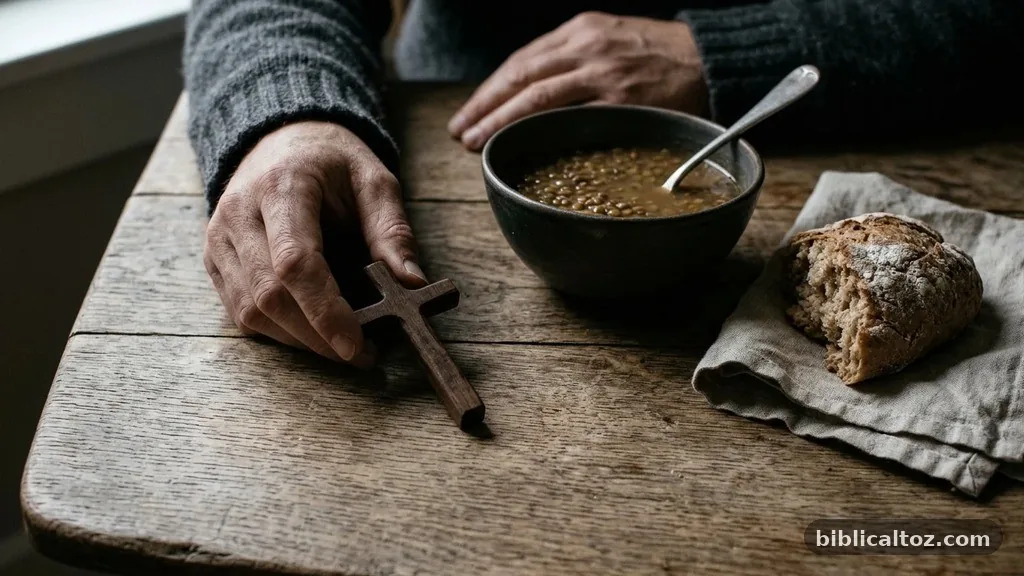
Practices during this season are incredibly diverse, ranging from ancient liturgical rituals to modern personal commitments. The goal is always to create space for spiritual growth.
| Practice Category | Common Examples |
|---|---|
| Fasting | Limiting meals, avoiding meat, or skipping snacks. |
| Giving Up | Abstaining from social media, sweets, or luxury items. |
| Spiritual Growth | Daily scripture reading, extra prayer, or charitable giving. |
| Public Rituals | Attending Ash Wednesday services or Stations of the Cross. |
Why Do Some Christians Fast or Give Something Up?
The act of giving something up is intended to serve as a physical reminder of a spiritual reality. When a person feels the hunger or the craving for the item they have surrendered, it acts as a “nudge” to turn their thoughts toward God.
It is not about self-punishment or proving one’s worthiness; rather, it is about identifying the things that have become idols or distractions in one’s life. By removing these, individuals hope to gain self-control and a renewed appreciation for the blessings they have been given.
What Is Ash Wednesday?
Ash Wednesday marks the solemn start of the Lenten season. In many churches, congregants receive ashes on their foreheads in the shape of a cross. The ashes serve as a symbol of mortality and repentance, referencing the biblical tradition of wearing sackcloth and ashes as a sign of humility before God.
The phrase often spoken during this ritual is, “Remember that you are dust, and to dust you shall return.” This stark reminder aims to ground the believer, shifting their perspective from worldly concerns to eternal priorities.
How Do Different Christian Traditions Observe Lent?
Observations vary significantly across the global church. Catholic traditions often emphasize specific rules regarding meatless Fridays and days of fasting. Anglican and Lutheran traditions maintain a strong focus on the liturgical calendar, utilizing specific colors and readings to guide the congregation through the season.
Many Protestant and non-denominational churches have adopted the season as a voluntary period of personal reflection, focusing less on mandated rules and more on individual spiritual disciplines. Conversely, Eastern Orthodox Christians often engage in a more rigorous fast that excludes meat, dairy, oil, and wine for the entirety of the period, viewing the season as a “Great Fast” that is central to the life of the believer.
Is Lent Required by the Bible?
It is vital to distinguish between church-calendar tradition and explicit biblical commands. There is no passage in the New Testament that commands Christians to observe a forty-day period of fasting before Easter. It developed over the centuries as a way for the church to collectively prepare for the high holy day of the resurrection.
For those who observe it, it is a matter of Christian liberty and tradition rather than a requirement for salvation. It remains a tool for discipleship, not a legalistic burden.
Frequently Asked Questions
Do I have to give up something to observe Lent?
No, you do not have to give something up. Many people choose to add a positive practice, such as daily service, journaling, or reading, rather than subtracting something from their lives.
Are Sundays included in the forty days?
In Western Christianity, Sundays are excluded because they are considered celebrations of the resurrection. Therefore, the period spans more than forty calendar days to ensure there are forty days of actual fasting.
Can children participate in this season?
Yes, many families adapt the season for children by focusing on simple acts of kindness or giving up small treats. It is an excellent time to teach children about the importance of reflection and generosity.
What if I fail in my Lenten commitment?
The goal is not perfection. If you slip up on your commitment, the practice is to simply acknowledge it, offer a prayer of grace, and continue with your focus the following day.
Conclusion
Ultimately, this season is a personal journey that looks different for everyone. Whether you choose to fast, give up specific comforts, or dedicate more time to prayer and study, the intent remains the same: to prepare the heart for the joy of Easter. It is a time to pause, examine the state of your spiritual life, and realign your focus with the teachings of Jesus.
As you navigate this period, remember that the goal is not to impress others or satisfy a set of rules, but to draw closer to God. You are invited to use this time as a fresh start, allowing the silence and the sacrifice to create room for new growth. May your time of preparation lead to a deeper understanding of the grace and transformation that this season celebrates.