What Is Worship: Meaning, Biblical Foundation & Practice?
Authentic worship begins when a person recognizes the infinite value of God and responds with their entire being. Many people mistakenly equate this practice solely with music or Sunday morning gatherings, yet the biblical witness points to something much broader. True devotion involves every facet of a believer’s life, from the hidden thoughts of the heart to public acts of service.
By examining the scriptures, we can move past common misconceptions and discover how to live in a state of constant, humble adoration. This exploration of what worship actually entails will help you align your daily actions with a deeper, more intentional commitment to your faith.
Biblical Foundation of Worship

The scriptures present a consistent call to honor the Creator. In the Old Testament, the Hebrew word often translated as worship, shachah, implies bowing down or prostrating oneself. This physical act signifies an internal posture of total submission to the Almighty.
Key Scriptural Insights
- John 4:19–24: Jesus explains that the location of service matters less than the condition of the spirit. He emphasizes that those who engage with God must do so in spirit and in truth.
- Romans 12:1–2: Paul defines this concept as a living sacrifice. He encourages believers to present their bodies as a holy offering, which constitutes their reasonable service.
- Psalm 95 and 100: These psalms provide a blueprint for communal praise, inviting the people to enter His gates with thanksgiving and make a joyful noise.
- Deuteronomy 6:4–5: Known as the Shema, this passage commands the believer to love the Lord with all their heart, soul, and strength.
Defining the Scope of Devotion
We often fall into the trap of thinking worship is just the singing portion of a church service. While music is a powerful and valid expression of praise, it is not the totality of our response to God. True worship encompasses the entirety of the human experience.
When you act with integrity at your job, show kindness to a neighbor, or manage your resources with stewardship, you are engaging in a form of worship. It is a life lived in constant recognition of His presence, rather than a compartmentalized activity reserved for one hour a week.
Core Components of Heartfelt Worship
The outward form matters little if the inward heart remains cold. Sincerity and humility act as the foundation for every act of devotion. Without these, even the most elaborate liturgical rituals become empty tradition.
| Component | Description |
|---|---|
| Reverence | A deep-seated respect and awe for God’s holiness. |
| Obedience | Aligning personal choices with divine commands. |
| Praise | Expressing gratitude through song, speech, or thought. |
| Service | Practical acts of love toward others in His name. |
Corporate and Individual Dynamics
The Bible highlights both private and public dimensions of faith. Personal devotion is the quiet, daily work of the soul. It involves prayer, meditation on scripture, and private confession.
This consistency prepares the individual for corporate worship. When the church gathers, the collective focus amplifies the individual experience.
In these settings, we encourage one another through shared songs, teaching, and the celebration of sacraments. Neither should be neglected; individual habits fuel the corporate experience, while the community strengthens the individual.
Navigating Denominational Perspectives
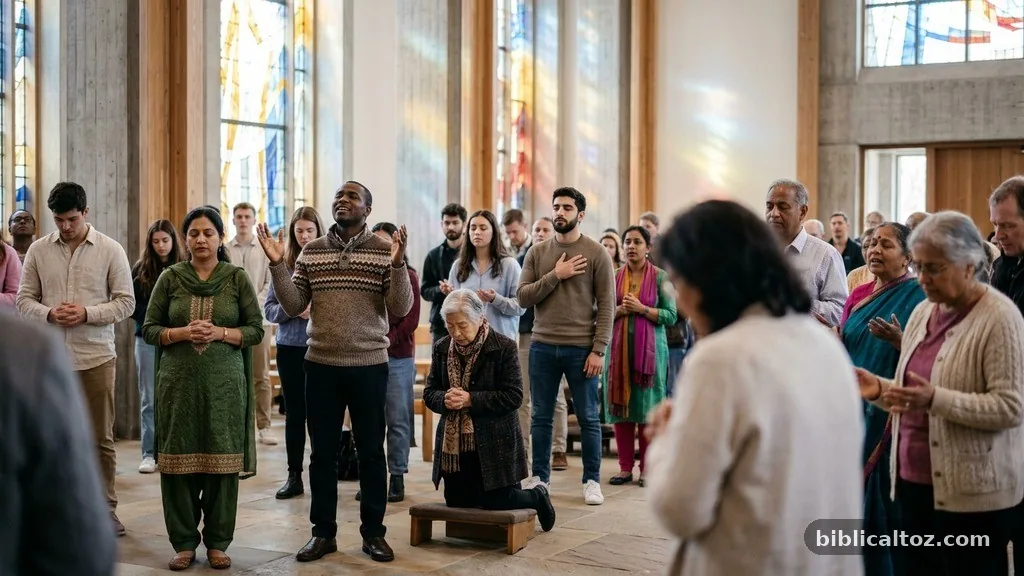
Christian traditions vary wildly in how they express their devotion. Some emphasize formal, liturgical structures that have been passed down for centuries, while others prioritize spontaneous, free-flowing participation. It is important to remember that God does not demand a specific musical style or service format.
The validity of the worship is not found in the rhythm of the music or the style of the building, but in the sincerity of the participants. A humble heart can find expression in both a quiet hymn and a loud, energetic song.
Practical Application in Daily Life
You can integrate these principles into your routine starting this week. Family worship, for instance, can be as simple as reading a short passage of scripture together before dinner. In your personal time, try practicing the art of gratitude by listing specific things you are thankful for before you begin your prayers.
When you head to work or school, view your tasks as an offering to God. By shifting your perspective, even the most mundane chores become opportunities to honor Him.
Addressing Common Misconceptions
Many people believe that they must feel a certain “spiritual high” for their worship to be acceptable. Scripture, however, teaches that our commitment should remain steadfast even during dry or difficult seasons. Feelings are fleeting, but the truth of who God is remains constant.
Another misconception is that worship is only for those who are musically talented. The Bible encourages everyone to participate regardless of their skill level, as the focus is on the heart, not the performance.
Frequently Asked Questions
Is music the only way to worship?
Music is a beautiful and biblical expression of praise, but it is not the only way. Any act done in obedience, love, and service to God counts as worship.
How can I focus better during church services?
Preparation starts before you arrive. Spend time in prayer or reading the morning’s text before the service begins, and try to arrive with a heart ready to listen rather than just observe.
Does God care about how I worship?
God cares deeply about the condition of your heart. He desires sincerity and truth over empty rituals or performed piety.
Can I worship God at home alone?
Yes, private devotion is a vital part of the Christian life. Jesus often retreated to quiet places to pray, demonstrating that individual time with God is essential.
Final Encouragement
Understanding what worship truly means transforms the way you view your daily life. It is not a task to check off your list or a performance to perfect, but a life-long journey of drawing closer to the one who loves you. As you seek to offer your heart and actions to Him, remember that every small step of obedience is a meaningful response to His grace.
Start by simply acknowledging His presence in the quiet moments of your day. Whether you are singing with others or working in solitude, your life can become a continuous act of devotion that honors the King of Kings.