Rebekah in the Bible: Life, Character and Legacy
The narrative of Rebekah in the Bible occupies a central place in the patriarchal history of Genesis. Whether spelled as Rebekah or Rebecca, her presence is essential to the unfolding of the Abrahamic covenant and the survival of the family line.
She enters the story as a woman of initiative and hospitality, eventually becoming the matriarch whose choices directly impact the destiny of her twin sons. By examining her life, we gain insight into the complexities of faith, human frailty, and the mystery of divine purpose within the ancient world.
A Chronological Account of Her Life
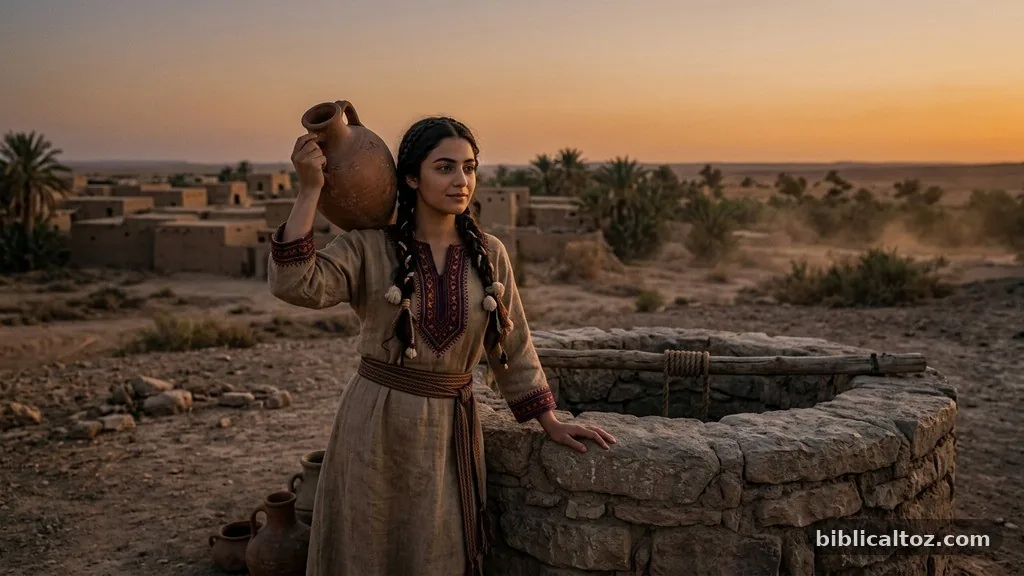
The story of Rebekah begins in Genesis 24, when Abraham sends his servant back to his homeland to find a wife for his son, Isaac. Finding her at a well near the city of Nahor, the servant is struck by her kindness when she offers water to both him and his camels. This act of service serves as the catalyst for her journey to Canaan.
Once she arrives, her marriage to Isaac is described with simple, profound grace. However, the couple struggles with infertility for twenty years.
When she finally conceives, the Lord tells her that two nations are within her womb. The following timeline outlines the major progression of her story:
- The meeting at the well and her immediate decision to leave with Abraham’s servant.
- Her marriage to Isaac and the subsequent birth of the twins, Esau and Jacob.
- The period of family division where she favors Jacob while Isaac favors Esau.
- The orchestration of the deception to secure the blessing for Jacob in Genesis 27.
Character Analysis: Initiative and Conflict
Rebekah is often defined by her strength of character. She was bold, decisive, and highly hospitable.
When asked if she would go with the servant to meet a man she had never seen, she answered with a firm commitment to leave her home behind. This initiative displays a level of faith and courage that stands out in the early narratives.
However, her legacy is also marked by the conflict surrounding her sons. Her decision to deceive Isaac to ensure Jacob received the blessing remains a point of intense scholarly debate. While some view her actions as a misguided attempt to fulfill the prophecy given to her before the twins were born, others see it as a failure of trust in God’s ability to work without human manipulation.
| Trait | Evidence in Text |
|---|---|
| Hospitality | Watering the servant’s camels at the well. |
| Initiative | Choosing to leave her family for an unknown future. |
| Partiality | Favoring Jacob over Esau, leading to family strife. |
| Deception | Orchestrating the ruse to secure the blessing. |
Theological Context and Divine Purpose
It is vital to distinguish between Rebekah’s personal choices and the divine plan. The Bible does not explicitly endorse her deception, nor does it condemn her as an antagonist.
Instead, the text presents her as a fallible human being caught in the tension between her own instincts and the promise of the Lord. Her story illustrates that the fulfillment of divine prophecy often occurs through, and sometimes despite, the complicated actions of flawed individuals.
Key Verses and Evidence
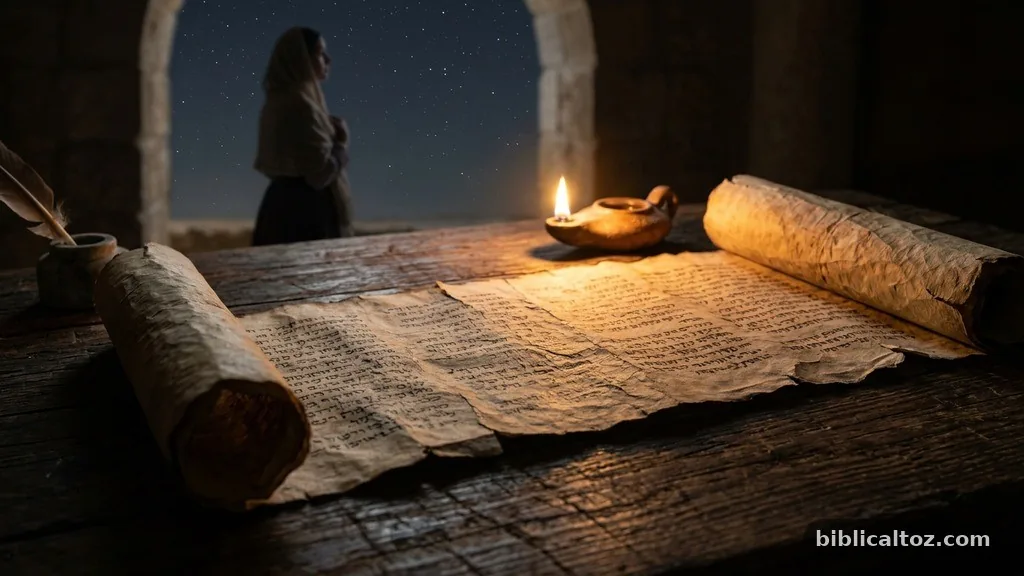
The narrative of Rebekah is primarily contained within Genesis 24–27. Key passages that highlight her character include:
1. Genesis 24:58: And they called Rebekah, and said unto her, Wilt thou go with this man? And she said, I will go.
2.
Genesis 25:23: And the Lord said unto her, Two nations are in thy womb, and two manner of people shall be separated from thy bowels.
3. Genesis 27:13: And his mother said unto him, Upon me be thy curse, my son: only obey my voice, and go fetch me them.
Lessons for Modern Readers
The life of this matriarch offers nuanced lessons for today. First, her story reminds us that our decisions have long-term consequences for those we love. Her partiality between her sons created a rift that lasted for decades.
Second, it serves as a caution against trying to force a desired outcome through dishonest means, even when we believe the end goal is righteous. Her life encourages us to seek wisdom and patience rather than relying on our own strength to manipulate circumstances.
The Later Years
The biblical record of her life becomes silent after the flight of Jacob to Haran. We know that she urged Jacob to leave to escape Esau’s wrath, hoping to bring him back once her elder son’s anger subsided. However, the text never describes their reunion.
Her death is briefly noted in Genesis 49:31, where it is mentioned that she was buried in the cave of Machpelah alongside Abraham and Sarah. The silence surrounding her final years leaves much to the imagination, focusing the reader’s attention on the legacy of her sons rather than the end of her own journey.
FAQ Section
What is Rebekah in the Bible known for?
She is primarily known for her role as the wife of Isaac and the mother of Jacob and Esau. She is recognized for her initial hospitality at the well and her complex, decisive role in securing the birthright blessing for her younger son, Jacob.
What did God promise Rebekah?
Before her sons were born, the Lord told her that two nations were in her womb and that the older would serve the younger. This prophecy became the foundation for her later actions regarding the family blessing.
What was Rebekah’s sin in the Bible?
While the Bible does not use the word “sin” to describe her, her actions in deceiving her husband, Isaac, to favor Jacob are widely viewed as a moral failure. It represents a lack of reliance on divine timing, opting instead for human manipulation.
What does the name Rebecca mean biblically?
The name is derived from the Hebrew word “Rivqah,” which is often associated with the meaning “to tie” or “snare,” perhaps suggesting the idea of a captivating or binding beauty.
Reflections on a Matriarch
Rebekah in the Bible stands as a testament to the complexity of faith. Her journey from a young woman at a well to a central figure in the history of Israel is filled with moments of profound courage and difficult mistakes. By looking closely at the life of this woman, we see a reflection of our own struggles with family, decision-making, and the pursuit of what we believe is right.
She reminds us that while we are responsible for our choices, we are also part of a much larger story directed by the Lord. Engaging with these ancient narratives allows us to better understand our own place in the ongoing story of faith.