Hallelujah Meaning: Biblical Origin and Worship Significance
When you hear the word hallelujah, you likely associate it with moments of profound joy or triumphant music. Many people use this term instinctively during worship, yet exploring the hallelujah meaning reveals a much deeper layer of historical and spiritual significance that connects modern believers to ancient Hebrew traditions.
By digging into the original language and its context within the Psalms and the book of Revelation, you will discover that this expression is far more than a simple exclamation. Understanding its roots allows you to approach your personal devotions with renewed clarity, transforming how you express gratitude and reverence toward the Creator in both quiet and loud seasons.
The Hebrew Roots and Etymology
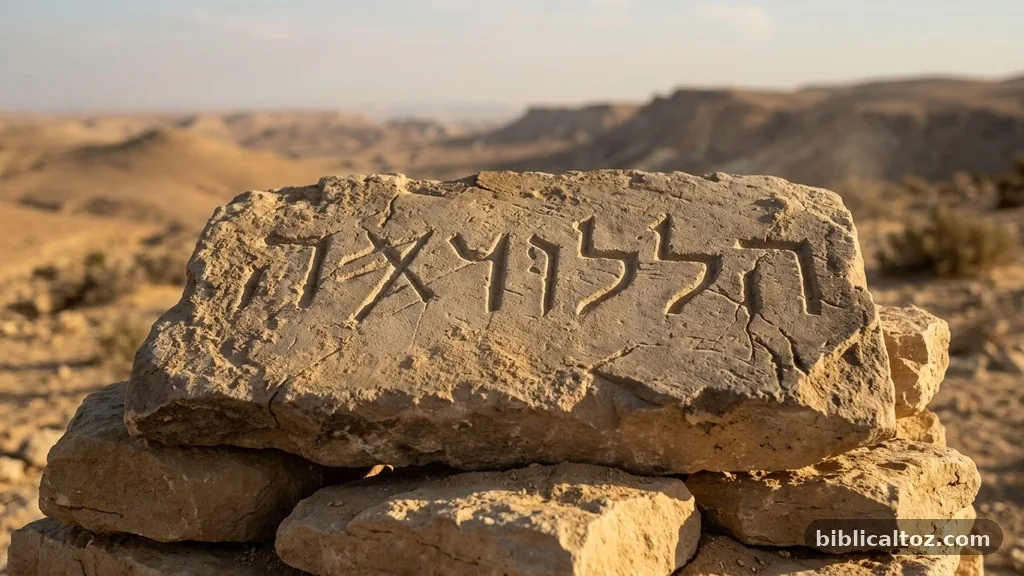
The term hallelujah is not actually a single word in its original language, but rather a compound expression. It originates from the Hebrew phrase halelu-yah. To understand the hallelujah meaning, you must break down these two distinct components.
The first part, halelu, is an imperative verb form that means to praise or to boast in. The second part, Yah, is a shortened, poetic version of the Tetragrammaton, the sacred name of the Almighty, often rendered as the LORD in many English translations of the Bible.
When you put these together, the phrase translates directly to praise the LORD. This is a classic example of transliteration, where the sounds of one language are represented using the characters of another.
Because the Hebrew alphabet differs significantly from the Roman characters we use today, the spelling has shifted slightly over time to fit English phonetics. Despite these changes in spelling, the core intent remains an urgent, collective call to acknowledge the majesty of the Divine.
Biblical Usage in Worship
The Bible uses this expression primarily as a call to worship. You see it most frequently in the book of Psalms, particularly in the later chapters where the psalmist invites the entire community to join in a chorus of adoration.
These are not merely private reflections; they are public declarations. In the context of the Psalms, it serves as an interjection that punctuates the reader’s recognition of divine justice, mercy, and power.
The most dramatic occurrence of this term appears in the New Testament within the book of Revelation. In Revelation 19:1-6, the heavenly host erupts in a massive chorus of praise upon the victory of the Lamb.
Here, the word acts as a bridge between the struggles of the earthly life and the eternal reality of heaven. It is the language of the redeemed, used to celebrate the final triumph of truth over darkness.
The Context of Revelation 19
In the Revelation passage, the usage is intense and communal. The multitude in heaven cries out because they have witnessed the judgment of the Almighty.
This demonstrates that the term is reserved for moments of ultimate clarity and spiritual alignment. It is not a casual word used in everyday conversation, but a weighty declaration of allegiance and awe that transcends human language.
Comparative Study of Praise Terms
To grasp the full weight of the word, it helps to compare it to other common religious terms. While these words often overlap in usage, they carry different nuances in their original contexts.
| Term | Primary Function | Nuance |
|---|---|---|
| Hallelujah | Call to action | A collective, urgent command to praise the LORD. |
| Praise | Expression of honor | A general act of acknowledging someone’s worth or character. |
| Worship | Posture of the heart | A lifestyle of submission and total devotion to the Divine. |
| Amen | Affirmation | A response meaning so be it or truly, confirming a statement. |
As shown in the table, the hallelujah meaning stands out as an imperative. While praise and worship describe the internal posture or the act of honoring, this specific term serves as a catalyst. It is an invitation to others to join in the act of glorifying the LORD, making it a social and unifying force in a congregation.
Practical Application for Modern Believers
Integrating this understanding into your daily life is a simple way to enrich your spiritual practice. When you read the Psalms and encounter the word at the beginning or end of a verse, pause to consider who is being addressed. Use it as a reminder that your praise is not meant to stay contained within your own mind; it is a shared reality that connects you to a long lineage of faithful people.
- Use the word as an intentional response during private prayer when you feel overwhelmed by gratitude.
- Allow it to replace casual interjections, turning those moments into small acts of mindfulness.
- Incorporate it into your study of the Psalms, treating it as a literal cue to stop and reflect on the greatness of the LORD.
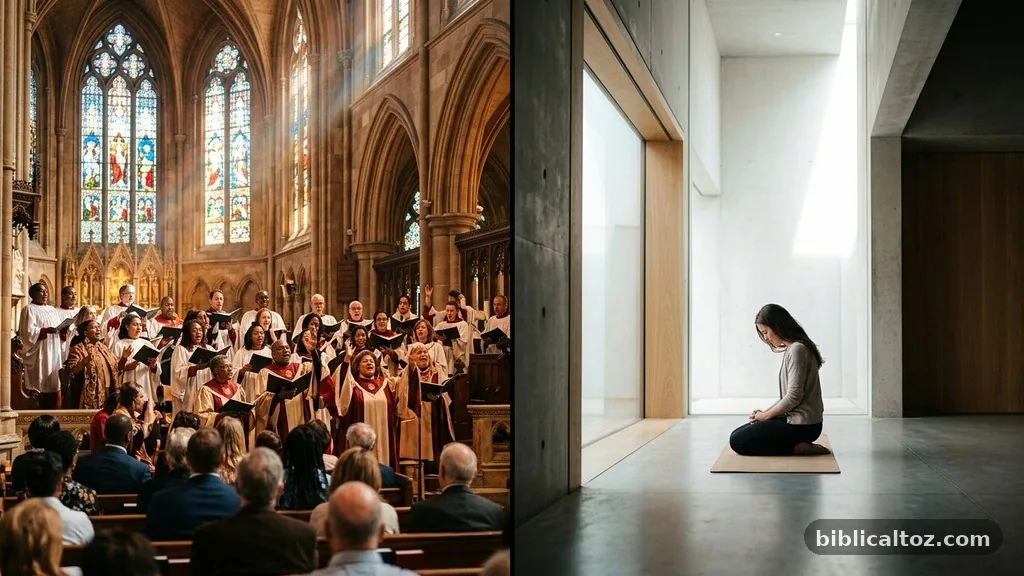
- Recognize that singing it in a corporate setting is a way of agreeing with the community of believers.
This practice does not require a specific font or a formal setting. Whether you are reading a new version of the Bible or reflecting on a difficult week, the word serves as a constant. It reminds you that the object of your adoration does not change, even when your circumstances do.
Theological Nuance: Praise in Every Season
A common misconception is that this expression is only appropriate during times of celebration. However, the Bible shows that the most profound praise often emerges from the depths of lament.
When the psalmist cries out in distress, they frequently follow that cry with a declaration of the LORD’s goodness. This is not a denial of reality, but an act of faith.
True faith acknowledges the pain of the present while holding onto the truth of the divine character. When you say this word in a season of struggle, you are declaring that your hope is grounded in something deeper than your current situation. It is an act of defiance against despair, a way of insisting that the Creator remains worthy of honor regardless of your immediate feelings.
FAQs
What does the word literally translate to?
The word is a direct transliteration of the Hebrew phrase meaning praise the LORD. It combines a command to praise with the shortened name of the Almighty.
Why is it used so often in music?
Because it functions as a call to worship, it is naturally suited for song. It acts as a rhythmic and emotional climax that invites listeners to participate in the act of adoration.
Is it disrespectful to use this word casually?
While it is often used as a common exclamation, many believers prefer to reserve it for its original, sacred purpose. Being mindful of its meaning can help you use it with greater intention and reverence.
Does the Bible require us to say this?
The Bible does not provide a command that you must use this specific word. However, it is presented as a model of how to respond to the greatness of the LORD, serving as a powerful tool for your personal spiritual life.
Conclusion
The hallelujah meaning connects the historical weight of ancient Hebrew to the contemporary life of faith. By recognizing that it is an active, communal call to acknowledge the LORD, you gain a more profound tool for your own worship. It is a bridge between the quiet moments of your personal devotion and the grand, eternal chorus described in scripture.
As you move forward, let this word remind you to look upward and outward, finding reasons to honor the Creator even in the complexities of everyday life. We invite you to continue exploring the richness of biblical language at BiblicalToZ to further deepen your understanding of the scriptures.