What Does the Bible Say About Halloween?
Many families find themselves caught between cultural traditions and personal convictions when October arrives each year. Exploring what the Bible say about Halloween helps clarify whether participating in local festivities aligns with a life of faith or compromises one’s witness. Because the Scriptures do not explicitly mention this specific modern holiday, believers must apply timeless principles to their current context.
By examining historical roots and biblical directives, you can make an informed choice that honors your conscience and reflects your walk with God. This analysis provides the framework you need to evaluate these traditions with wisdom and grace.
Historical Context and Origins
The roots of the modern celebration are often debated, with many pointing toward the ancient Celtic festival of Samhain. This event marked the end of the harvest and the beginning of the darker months of the year.
Historians note that the Celts believed the boundary between the living and the dead became thin during this time, allowing spirits to roam freely. Over the centuries, these customs merged with various traditions, including the Catholic observance of All Saints‘ Day, which honors the memory of those who have passed on.
Distinguishing between these historical facts and modern myths is essential for a balanced view. While some claim the night is inherently tied to ancient occult rituals, others argue that it has evolved into a secular community event focused on neighborhood social interaction.
Separating the origins of a practice from its current usage helps believers determine if they are engaging in a cultural activity or endorsing a spiritual danger. Understanding that the holiday has shifted significantly over the last few centuries allows for a more nuanced conversation within the church.
Biblical Analysis of Spiritual Practices
Since the Bible does not contain a specific verse about the holiday, we must look to broader principles regarding how Christians should interact with the world around them. Several key passages provide a foundation for evaluating activities that involve themes of death, darkness, or the occult.
Deuteronomy 18:9–14
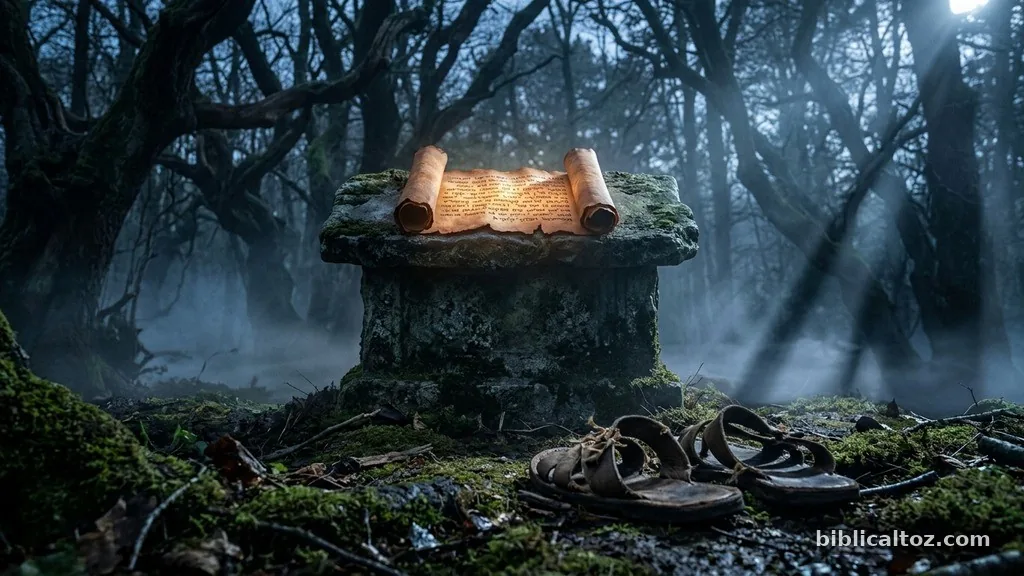
This passage warns the people of Israel against adopting the detestable practices of the nations surrounding them. The text specifically lists sorcery, witchcraft, and consulting with the dead as behaviors that are an abomination to the Lord. While this was a direct command to a specific nation in a unique historical context, it establishes a clear biblical principle: believers are called to be set apart from activities that seek power or insight from sources other than God.
Ephesians 5:8–12
Paul encourages the believers in Ephesus to walk as children of light rather than participating in the fruitless works of darkness. He explicitly states that it is shameful even to speak of the things done by those in secret. This instruction serves as a guide for how a Christian should view entertainment or social activities that celebrate themes of horror, violence, or the occult. The focus remains on whether an activity promotes the light of the Gospel or draws the heart toward the shadows.
Romans 14:1–13
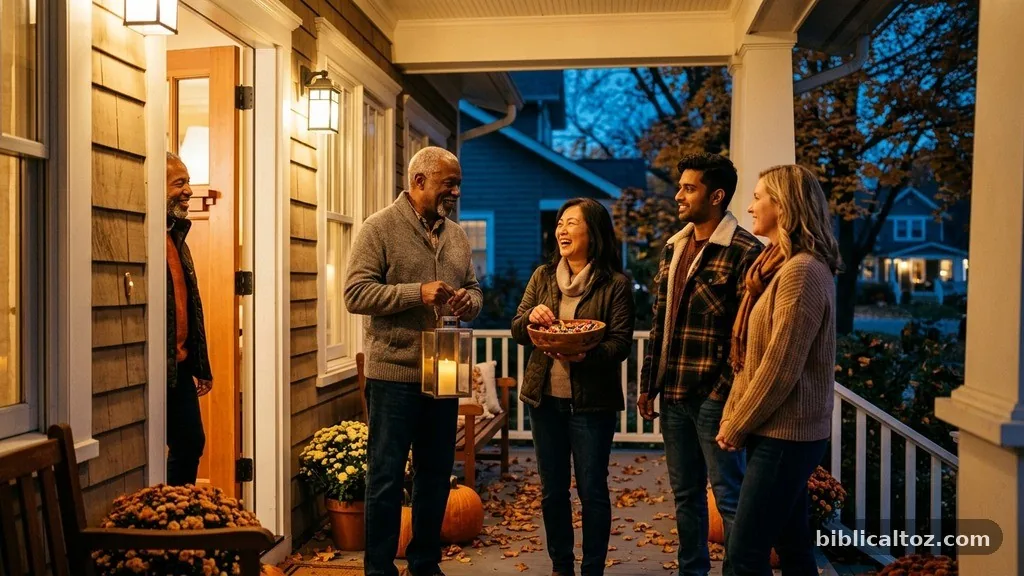
This section of Scripture addresses the importance of Christian liberty and the individual conscience. Paul explains that some may view certain days or foods differently, and he warns against judging one another over these personal convictions. If one person chooses to avoid the night entirely while another participates in neighborhood candy distribution, both can be acting out of a desire to honor the Lord. The core instruction is to ensure that our actions do not become a stumbling block to others.
1 Thessalonians 5:21–22
The command to test all things and hold fast to what is good provides a practical tool for daily life. Christians are encouraged to examine the activities they participate in and reject anything that appears to be evil. This requires a discerning spirit, as not every aspect of a celebration is inherently sinful. By applying this test, you can filter out elements that contradict your faith while maintaining your engagement with your community.
Practical Application and Nuance
The modern observance of this night is a complex mix of social, commercial, and, at times, dark influences. Distinguishing between these elements is helpful when deciding how to approach the season.
- Costumes: Dressing up as fictional characters or animals is generally viewed as harmless play, whereas intentionally portraying demonic or occult figures may conflict with the call to represent the light.
- Candy and Community: Sharing sweets with neighbors is often a simple way to build relationships and show kindness, which can serve as a bridge for future gospel conversations.
- Horror Themes: Engaging with content that celebrates violence, fear, or the macabre is a personal boundary where many Christians choose to step away to protect their peace of mind.
- Occult Imagery: Using symbols of witchcraft or darkness in home decor is a point of contention that many believers avoid to ensure their home remains a place of witness.
When evaluating these activities, it is helpful to look at the intent behind the participation. Are you seeking to build community, or are you engaging with themes that glorify the enemy? The following table compares different levels of engagement to help you weigh your options.
| Activity Category | Common Perspective | Biblical Consideration |
|---|---|---|
| Neighborhood Interaction | Building social ties | Does it promote peace and kindness? |
| Costume Play | Creative expression | Is it glorifying evil or darkness? |
| Horror Media | Entertainment | Is it feeding the mind with light? |
| Occult Participation | Ritualistic curiosity | Does it violate the call to holiness? |
Christian Perspectives and Liberty
It is natural for Christians to reach different conclusions on this topic. Some families choose to avoid the day entirely, viewing it as a celebration of darkness that no believer should support.
Others choose to participate in a limited way, focusing on the fun of costumes and candy while strictly avoiding anything related to the occult. Both perspectives are often rooted in a sincere desire to honor God.
The lack of a direct command means that believers must rely on the Holy Spirit and their own study of the Word to guide their decisions. It is important to avoid a judgmental spirit toward those who hold a different view. When we focus on our shared mission to represent Christ, we can respect the liberty of conscience that Paul describes in his letters to the early churches.
Guidance for Families
Parents often feel the most pressure when deciding how to handle this season. It is helpful to sit down as a family and discuss your values before the end of October arrives. Consider asking these questions to guide your decision-making process:
- Does our participation in this event reflect the light of Christ to our neighbors?
- Are we being influenced by the culture, or are we intentionally choosing our own path?
- Does our current plan for the night cause us to stumble in our walk with God?
- Are there ways we can show love to our community that do not involve the specific themes of this night?
Many families choose to focus on alternative activities, such as hosting a harvest party, organizing a neighborhood outreach, or simply having a fun family night at home. These options allow you to enjoy the season without feeling like you are compromising your convictions. The goal is to create memories that build your family’s bond and point others toward the goodness of God.
FAQ
Is celebrating this night a sin in the Bible?
The Bible does not mention this specific event, so it is not explicitly labeled as a sin. However, the Scriptures provide principles about avoiding evil and walking in the light, which many believers use to evaluate their own participation.
Should Christians go trick or treating?
This is a matter of personal conviction. Some families enjoy it as a way to meet neighbors, while others avoid it because they prefer not to engage with the themes associated with the night. There is no single answer that applies to every believer.
Is it wrong to watch horror films during this time?
Many Christians choose to avoid horror media because they want to fill their minds with things that are pure and lovely. While not strictly forbidden, believers are encouraged to consider whether such content aligns with their walk as children of light.
What are some healthy alternatives for families?
Families often enjoy harvest festivals, church-based trunk-or-treat events, or intentional family nights with games and movies. These alternatives provide a way to celebrate the change of seasons while keeping the focus on community and joy.
Conclusion
Evaluating what the Bible say about Halloween requires a blend of historical awareness, biblical study, and personal conviction. Rather than looking for a rigid list of rules, we are invited to use our wisdom to test all things and hold fast to what is good. Whether your family decides to participate in neighborhood festivities or chooses to create your own traditions, the goal remains the same: to live in a way that honors God and reflects His light in a dark world.
By focusing on building relationships and maintaining a clear conscience, you can navigate this season with confidence. If you found this breakdown helpful, consider visiting BiblicalToZ.com for more resources on applying ancient wisdom to the challenges you face today. We invite you to continue your journey of faith with us as you grow in understanding and grace.