What Does the Bible Say About Cremation?
Many people searching for what the Bible says about cremation seek clarity during times of loss or when planning for the future. While modern society often treats the disposition of remains as a matter of personal preference or financial necessity, believers frequently wonder if their choices align with the teachings of Scripture. The Bible does not explicitly forbid the practice, yet it consistently highlights burial as the traditional method for honoring the dead among God‘s people.
By examining the historical context and the theological significance of the body, you can find peace regarding these decisions. This perspective helps families navigate the emotional journey of loss with confidence in their faith.
Historical Perspectives on Burial and Cremation
In the ancient Near East, the primary method of disposing of the dead was interment. Biblical accounts almost exclusively describe the deceased being placed in caves, tombs, or the ground.
This practice was not merely a cultural habit but a way to show respect for the person who had been created in the image of God. When you read the Old Testament, you notice that burial was often a central duty for family members, serving as a final act of devotion to their loved ones.
The cultural landscape of the ancient world surrounding Israel often involved cremation, particularly among pagan nations. Because the Israelites were instructed to remain distinct from the customs of their neighbors, burial became a sign of adherence to the covenant.
However, it is essential to distinguish between a cultural preference for burial and a direct divine command that prohibits other methods. The Bible records instances where fire was used in relation to bodies, but these were typically associated with judgment rather than standard funeral rites.
Key Biblical Passages and Context
Understanding the scriptural record requires looking at specific instances where the dead were handled. These passages provide insight into the values held by those in the biblical narrative.
Genesis 23: The Purchase of a Burial Site
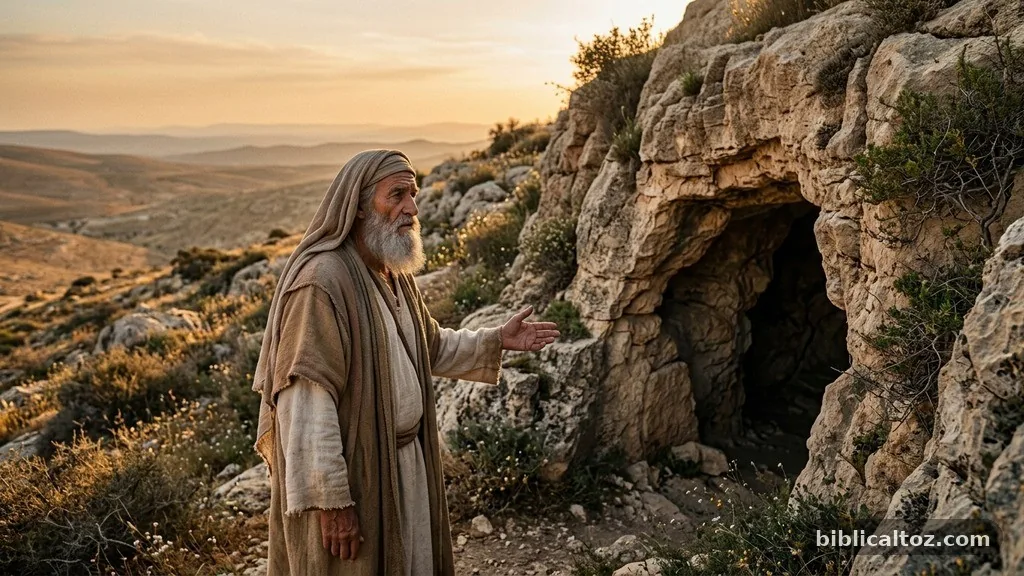
When Sarah died, Abraham sought a place to bury her. He negotiated with the Hittites to acquire the cave of Machpelah. This purchase was a significant investment, demonstrating that Abraham viewed burial as a vital responsibility. It established a precedent for his descendants, who continued to value the preservation of the body in a designated resting place.
1 Samuel 31: The Case of King Saul
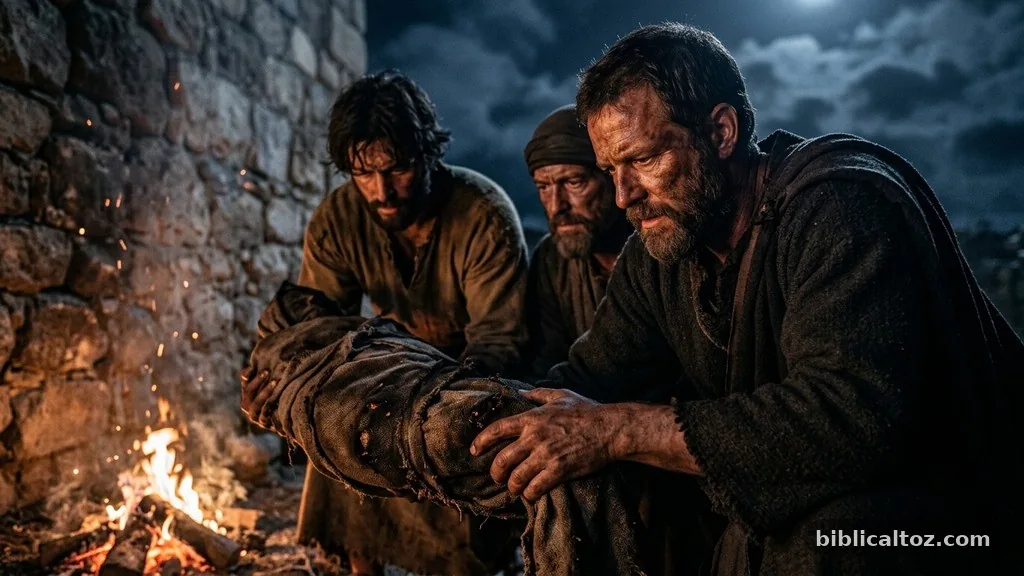
The account of King Saul’s death involves a unique situation. After the Philistines hung his body on a wall, the men of Jabesh-gilead retrieved it, burned it, and then buried the bones. Some point to this as a biblical example of cremation, but the context shows it was an act of mercy and honor to prevent further desecration. It was not a standard funeral rite, but a response to an emergency situation involving the remains of a king.
John 19:38–42: The Burial of Jesus
The New Testament emphasizes the burial of Jesus, which followed Jewish customs of the time. Joseph of Arimathea and Nicodemus prepared his body with spices and laid him in a tomb. This event is central to the Christian faith, as the empty tomb serves as the ultimate proof of his resurrection. Because Jesus was buried, many Christians feel a deep connection to this practice as a way of mirroring the burial of their Savior.
The Theology of the Body and Resurrection
A common question arises regarding whether the transformation of a body into ashes interferes with the power of God to resurrect the dead. The biblical promise of resurrection is not dependent on the physical integrity of the remains. God, who created humanity from the dust of the earth, is fully capable of raising the dead regardless of how the physical body has returned to the elements.
The apostle Paul discusses the nature of the resurrected body in 1 Corinthians 15, describing it as a transformation from perishable to imperishable. He explains that the physical body is like a seed that must be sown before it can be raised in glory.
This analogy suggests that the state of the remains is less important than the divine act of restoration. Faith in the resurrection rests entirely on the power of God, not on the preservation of earthly matter.
Comparing Traditional Burial and Cremation
When deciding between these options, families often weigh various factors. The following table highlights some of the common considerations that influence the choice for many Christians today.
| Factor | Traditional Burial | Cremation |
|---|---|---|
| Historical Precedent | Deeply rooted in biblical tradition | Rarely practiced in biblical history |
| Cost Considerations | Typically higher due to casket/plot | Generally more budget-friendly |
| Resurrection Belief | Reflects the “seed” analogy of burial | Does not hinder God’s power |
| Symbolism | Focuses on rest and waiting | Focuses on the return to dust |
Pastoral Considerations for Families
If you are currently facing the loss of a loved one, the priority should be grace. Pastors and church leaders generally encourage families to consider the traditions of their faith while being mindful of practical constraints. Whether you choose burial or cremation, the focus should remain on honoring the life lived and celebrating the hope of eternal life in Christ.
* Focus on the memorial service as a time for worship and reflection.
* Consult with your local church leadership for guidance on memorial practices.
* Prioritize the emotional needs of the family during the grieving process.
* Remember that the body is the temple of the Holy Spirit, deserving of respect regardless of the method of disposition.
* Choose a path that allows for closure and comfort for those who remain.
Frequently Asked Questions
Is cremation a sin according to the Bible?
The Bible does not explicitly label cremation as a sin. While burial was the standard practice for God’s people throughout Scripture, there is no command that forbids the use of fire to handle the remains of the dead.
Can a cremated body still be resurrected?
Yes. The resurrection is a supernatural act of God. Just as God can restore a body that has decayed in the ground over centuries, he can resurrect a person whose remains have been cremated. The physical state of the body does not limit divine power.
What did famous Christian leaders say about cremation?
Opinions have varied throughout history. Some leaders, such as Billy Graham, expressed a personal preference for burial while acknowledging that cremation is a matter of Christian liberty. Most modern denominations do not view cremation as a barrier to salvation or faith.
Why was burial so important in the Bible?
Burial was a way to show dignity and respect for a person created in God’s image. It also provided a physical place for mourning and remembrance, serving as a tangible connection between the living and the legacy of the deceased.
Does the Bible require a specific type of funeral?
The Bible provides examples of funeral customs, such as anointing with spices and burial in tombs, but it does not prescribe a rigid set of rules for modern funeral services. The focus is on the heart and the hope found in the resurrection.
Summary and Encouragement
Choosing how to handle the remains of a loved one is a deeply personal experience. While the Bible consistently points toward burial as the historical norm for God’s people, it offers grace and freedom for families navigating modern circumstances. You are not defined by the method of disposition, and your faith in the resurrection remains secure.
As you consider these choices, lean on your community of faith and the comfort of Scripture. May you find peace in the promise that God is the author of life and the keeper of our souls, both now and in the age to come. If you have further questions about how your faith informs your decisions, reach out to your local church or a trusted mentor for support.