Isaiah 40:31 Explanation: Meaning, Context, and Application
Finding a reliable Isaiah 40:31 explanation requires looking past the surface of a popular memory verse to grasp the heavy burden of the prophet’s message. This passage is not merely a poetic promise for personal comfort; it is a profound declaration concerning the character of God in the face of national despair.
By examining the historical struggle of Israel and the specific language used by the prophet, you gain a clearer view of what it truly means to wait on the Lord. This article provides a grounded perspective on the text, helping you move from a superficial reading toward a deeper, biblically informed understanding of divine renewal.
The Historical Setting of the Prophecy
To arrive at an accurate Isaiah 40:31 explanation, you must first acknowledge the context of the book. The prophet Isaiah wrote during a time when the people of Israel were facing the looming threat of exile.
The nation was spiritually exhausted, doubting whether God had the power or the desire to intervene in their suffering. They felt abandoned, believing that their challenges had outpaced the Lord’s ability to act on their behalf.
The transition at chapter 40 marks a shift in tone from judgment to comfort. The prophet is tasked with speaking to a discouraged people who have grown weary of waiting for deliverance.
When the text mentions those who are faint or tired, it is addressing a community that feels its resources are entirely depleted. They are not just physically tired; they are spiritually hollowed out by the weight of their circumstances.
Breaking Down the Core Imagery
The verse structure follows a logical progression that moves from the human condition to divine intervention. Understanding the individual components of the verse helps clarify the intended meaning.
Waiting on the Lord
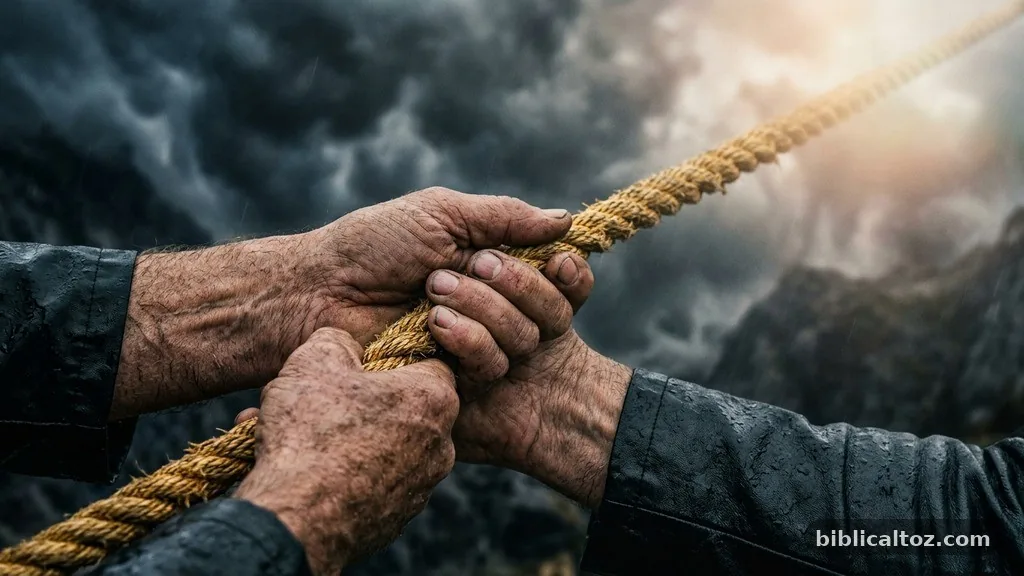
The Hebrew word for “wait” in this context is not about passive inactivity or killing time. It carries the sense of binding oneself to someone or something, like a rope woven together for strength.
To wait on the Lord is to remain in a state of active expectation, tethered to His promises even when the visible evidence of His work seems absent. It is an act of trust that refuses to let go of God’s character despite the surrounding chaos.
The Promise of Renewal

The text states that those who wait “shall renew their strength.” This renewal is not a self-help strategy or a psychological boost. It is a divine infusion of power.
The Hebrew term used here implies a change of garments or a restoration of something that has worn out. It suggests that God provides a different kind of strength—one that is not native to the human heart but is granted through His grace.
Mounting Up With Wings as Eagles
The imagery of the eagle is central to the passage. Unlike smaller birds that struggle against the wind, the eagle is known for its ability to utilize thermal currents to soar above the storm.
This metaphor suggests that the strength God provides allows the believer to rise above the turbulent circumstances of life rather than being crushed by them. It is about perspective and endurance, not the avoidance of hardship.
Biblical Themes of Strength and Endurance
When we look at the broader sweep of Scripture, we see that the reliance on God’s power is a recurring theme. The following table illustrates how different aspects of this passage contrast with common human responses to difficulty.
| Human Response | Divine Promise (Isaiah 40:31) |
|---|---|
| Self-reliance | Renewed strength through the Lord |
| Giving up when weary | Running without becoming weary |
| Despair in the valley | Soaring above the storm |
| Focus on the problem | Focus on the nature of God |
Practical Application for Daily Life
A true Isaiah 40:31 explanation must translate into the rhythm of your daily walk. If you are feeling the weight of life, the first step is to acknowledge your own limitations.
We often try to muscle through our problems, but the prophet reminds us that even the youths shall faint and the young men shall utterly fall. Admitting that your own strength is insufficient is not a failure; it is the prerequisite for receiving the renewal that God offers.
Living this out involves several intentional practices:
- Cultivating a daily habit of prayer that focuses on God’s sovereignty rather than your immediate needs.
- Studying the Word to remind yourself of how God has sustained His people throughout history.
- Practicing patience by refusing to force outcomes when God has not yet opened the door.
- Serving others even when you feel tired, as this often leads to the very renewal you are seeking.
- Remaining in community with other believers to share the burdens that feel too heavy to carry alone.
Frequently Asked Questions
What does it mean to mount up with wings as eagles?
This imagery depicts rising above the trials of life. It implies that through God’s strength, you gain a perspective that allows you to remain steady and effective even when the storms of life are raging around you.
Is this verse a promise that I will never get tired again?
No, it is not a promise of human invincibility. It is a promise that when you are exhausted and have reached the end of your own capacity, God’s power becomes available to sustain you in ways you could not achieve on your own.
How can I wait on the Lord when I am in a hurry for an answer?
Waiting is an exercise in trust. It means continuing to follow God’s commands and staying faithful in your responsibilities while you leave the timing of the results in His hands. It is about shifting your focus from the “when” to the “Who.”
Does this verse apply to physical exhaustion or just spiritual?
While the context is spiritual, God is interested in the whole person. He cares about your physical, emotional, and spiritual well-being, and He is capable of providing the endurance needed for every aspect of your life.
How does the context of the Babylonian exile change the meaning?
Knowing that the people were facing potential destruction makes the promise much more profound. It shows that God’s comfort is not just for minor inconveniences but for the most desperate and life-altering crises.
Moving Forward in Faith
The beauty of the prophet’s words lies in their ability to anchor us during seasons of uncertainty. By grounding your hope in the character of the Creator, you find a source of stability that does not shift with your circumstances.
A thoughtful Isaiah 40:31 explanation serves as a reminder that your strength is not found in your own willpower, but in your connection to the One who never grows faint or weary. As you continue to walk through the challenges of life, remember that the act of waiting is actually an act of worship.
We hope this study has helped you see the depth behind these familiar words. If you are looking for more resources to help you deepen your understanding of the Scriptures, feel free to browse our collection at BiblicalToZ.com. We are here to help you grow in your knowledge of the Word.