Jeremiah 29:11 Context: Meaning, Origin & Usage
Many people encounter the words of Jeremiah 29:11 on greeting cards or social media posts, often viewing them as a blanket promise of personal prosperity and ease. While the sentiment is undeniably comforting, examining the Jeremiah 29:11 context reveals a much more profound and challenging reality. Written to a community of exiles living in a foreign land, these words were never intended to be a shortcut to a life free of struggle.
Instead, they offer a vision of hope rooted in long-term divine faithfulness despite present hardship. Understanding the original setting helps us move beyond superficial interpretations toward a deeper, more resilient faith.
The Historical Setting of the Babylonian Exile
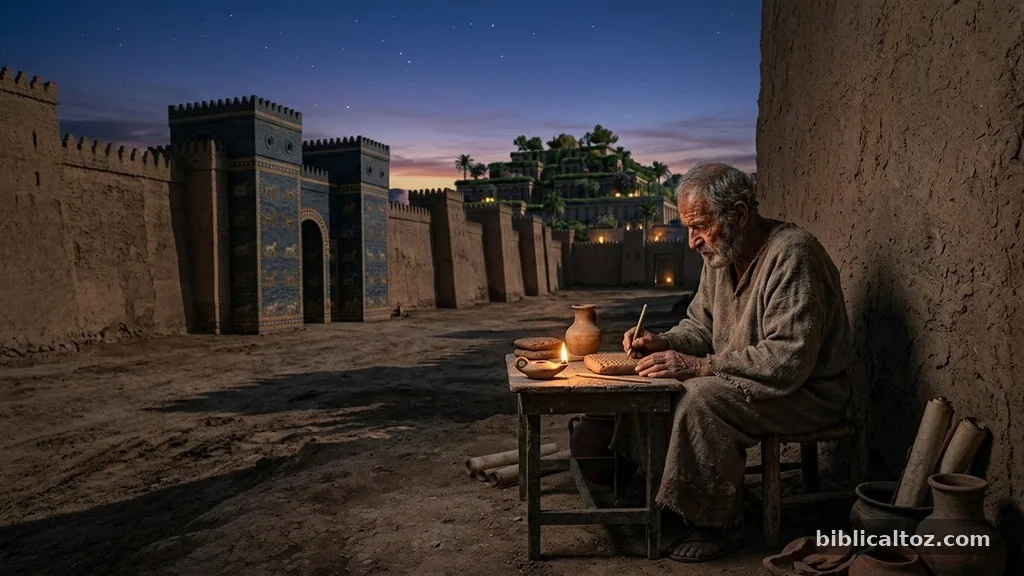
To grasp the weight of these words, we must look at the state of Israel during the time of the prophet Jeremiah. The nation had been fractured, and the southern kingdom of Judah was facing the consequences of long-term rebellion against God. The Babylonian Empire had swept in, destroying the temple and forcibly relocating the elite and skilled citizens to Babylon.
These exiles were devastated. They had lost their homes, their national identity, and their sense of security. False prophets were whispering that the exile would be short-lived—a matter of months, perhaps.
They told the people exactly what they wanted to hear: that God would quickly crush their enemies and return them to the Promised Land. Jeremiah, however, brought a message that was far more difficult to accept.
A Message for the Long Haul
Jeremiah sent a letter to these exiles with instructions that must have felt counterintuitive. Rather than encouraging them to revolt or prepare for a quick escape, he told them to settle down.
He instructed the people to build houses, plant gardens, and marry their children off in the land of their captors. He told them to seek the welfare of the city where they had been carried, because their own well-being was tied to that of their new, hostile home.
This is the immediate surroundings of the verse. God was telling His people that they were not going home anytime soon. The exile was to last seventy years.
For those who received this letter, this meant they would likely die in Babylon. The promise of a future and a hope was not for their immediate comfort; it was a promise that God had not abandoned His covenant people, even when they were living in a place of judgment and displacement.
Decoding the Divine Promise

When we look at the text, the Hebrew word often translated as “thoughts” or “plans” carries the weight of a deliberate, well-thought-out design. God was not improvising.
He was working out a purpose that spanned generations. The promise was not that their current circumstances would be pleasant, but that God’s ultimate trajectory for them was one of restoration, not destruction.
The Nature of God’s Plans
It is helpful to contrast the common modern reading of this verse with what the text actually conveys. Many readers today treat this as a personal guarantee of health, wealth, or career success. However, the biblical text emphasizes the survival and eventual return of the nation of Israel.
| Common Modern Interpretation | Original Biblical Meaning |
|---|---|
| Personal comfort and ease | National survival and faithfulness |
| Immediate fulfillment of desires | Long-term patience and endurance |
| Freedom from difficult circumstances | Trust in God while in exile |
The “good” that God speaks of is tied to the covenantal relationship He established with Abraham and David. It is a promise of redemption that reaches far beyond the individual’s temporary situation.
Applying the Message to Modern Life
If the promise was written to a group of exiles in Babylon, how does it apply to a person living in the modern world? The application lies in the character of God. The same God who remained faithful to His people during their darkest hour remains the same today.
- Trust in God’s timing: Like the exiles, we often want immediate relief from our burdens, but God’s plan often requires a season of waiting.
- Seek the welfare of your community: Even when we feel like strangers or outcasts, we are called to contribute positively to the places where we live.
- Look beyond the immediate: God’s perspective is eternal, whereas our view is often limited to the current week or month.
- Find security in God’s presence: The ultimate hope is not in our circumstances, but in the fact that God is with us in the “Babylon” of our lives.
This perspective shifts our prayer life. Instead of asking God to change our situation to match our preferences, we learn to ask for the grace to remain faithful and productive right where He has placed us.
Frequently Asked Questions
Is it wrong to use this verse for personal encouragement?
It is not inherently wrong to find personal encouragement in Scripture, but we must be careful not to twist the meaning. Recognizing the Jeremiah 29:11 context means acknowledging that God’s “plans” are about His redemptive work, which may involve trials. We can take comfort in knowing He is in control, even when our lives don’t look like a success story by worldly standards.
Why do people often misinterpret this verse?
We often misinterpret it because we read the Bible through the lens of our own desire for comfort. We live in a culture that prioritizes personal happiness, so we naturally gravitate toward verses that seem to promise an easy path. When we ignore the historical background, we turn a corporate promise to a nation into a personal contract for a life free of pain.
How does this verse point to Jesus?
The prophets constantly pointed toward a greater restoration than just a return to a physical land. The ultimate hope of the people of God was the arrival of the Messiah. Jesus, who is the true King from the line of David, fulfills the promises of restoration by bringing people into a new relationship with God, no matter where they live or what they face.
What does it mean to seek the welfare of the city?
In the context of the exile, it meant being a blessing to the pagan culture that had conquered them. For us, it means engaging with our neighbors, working with integrity, and being a light in our workplaces and communities. It is a call to be present and active rather than withdrawing from the world in frustration.
Final Thoughts on Divine Faithfulness
The beauty of the biblical account is that it never hides the reality of suffering. By looking at the Jeremiah 29:11 context, we see that God’s plans are often worked out through fire and struggle rather than around them. He did not remove the exiles from Babylon immediately; He walked with them through the seventy years of their displacement.
If you find yourself in a season of waiting or uncertainty, remember that your current location is not a surprise to God. He is working out a purpose that is larger than your immediate comfort.
We invite you to continue your study of Scripture with us at BiblicalToZ, where we seek to honor the original intent of every page. There is great peace in realizing that the One who sits on the throne has a plan that is both intentional and good, regardless of how the world looks today.