Jesus Walking on Water: Biblical Accounts and Meaning
The narrative of Jesus walking on water stands as one of the most compelling displays of divine authority found in the Gospels. When the disciples found themselves struggling against a fierce wind in the middle of the Sea of Galilee, they were met with a sight that defied every law of nature.
This event serves as a profound window into the character of Christ and the limits of human faith. By examining the accounts recorded by the Gospel writers, we can gain a clearer perspective on how this miracle reveals the sovereignty of God over the physical world and his presence during our most turbulent storms.
The Biblical Accounts of the Miracle
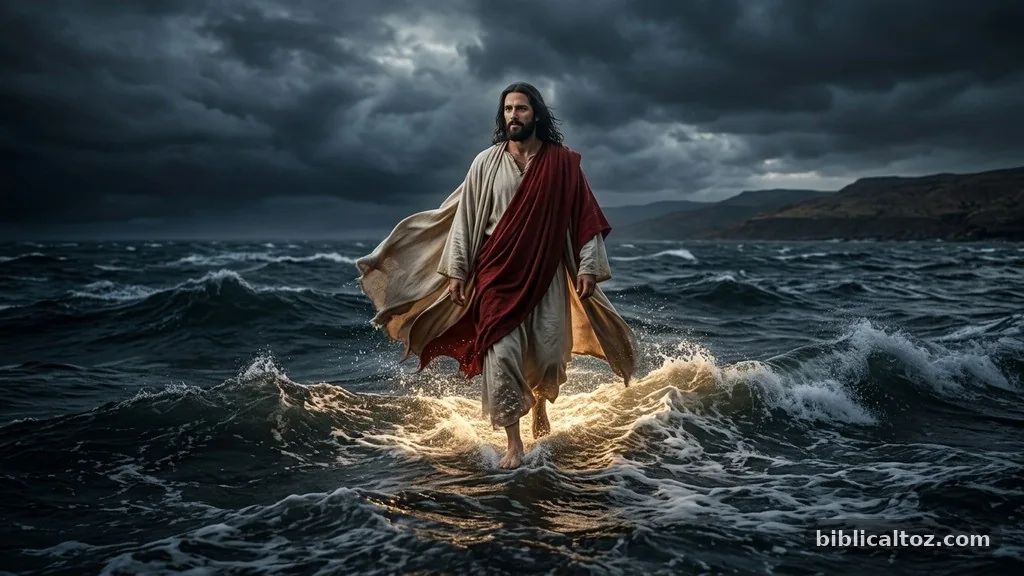
The event where Jesus walks on water is recorded in three of the four Gospels. Each writer provides a unique perspective on the evening, focusing on different aspects of the disciples’ experience. Matthew, Mark, and John all recount this moment, highlighting the transition from the disciples’ isolation to the sudden appearance of their teacher.
Matthew 14: The Experience of Peter
Matthew provides the most detailed account of the encounter. After the feeding of the five thousand, the disciples headed toward the other side of the sea.
As the evening came and the boat was battered by waves, they saw someone approaching them. When they realized it was Jesus walking on the water, they were terrified, thinking they had seen a spirit.
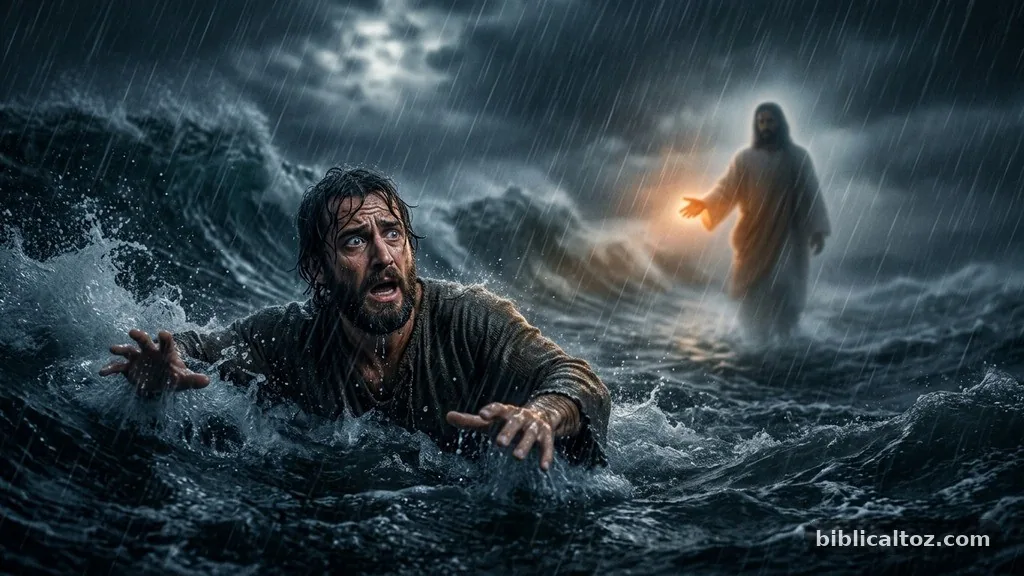
Peter, prompted by a sudden surge of faith, asked to join him. This interaction is central to the narrative, as it highlights the interplay between human doubt and the power of God.
When Peter stepped out, he was indeed walking on the water, but his focus shifted to the wind, leading him to sink. Jesus immediately reached out to save him, reminding him that his doubt had hindered his trust.
Mark 6 and John 6: The Perspective of the Disciples
Mark and John focus more on the astonishment of the disciples. In Mark 6, the text notes that the disciples were distressed because they had not understood the significance of the previous miracle of the loaves. When Jesus came to them in the fourth watch of the night, they were overcome with fear.
John 6 adds the detail that they were nearing Capernaum when they saw him. Once he got into the boat, the wind ceased, leaving the disciples in a state of awe.
Comparing the Gospel Records
While the core event remains the same, the focus of each author helps us understand different theological implications. The following table highlights the key elements present in the various accounts.
| Gospel | Key Focus | Disciples’ Reaction |
|---|---|---|
| Matthew 14 | Peter’s faith and failure | Worshiped him |
| Mark 6 | Hardness of heart | Greatly amazed |
| John 6 | The messianic sign | Willingly received him |
Lessons from the Storm
The story of Jesus walking on water is not merely a display of power; it is an invitation to trust. When the disciples were on the sea, they were doing exactly what Jesus had instructed them to do, yet they still faced a violent storm. This reminds us that obedience to God does not guarantee an absence of difficulty.
- The presence of Jesus is enough to calm the internal state of the believer, even when the external storm persists.
- Fear often arises when we prioritize the circumstances, such as the wind and waves, over the proximity of the Savior.
- Faith is not the absence of fear but the decision to act despite it, keeping one’s eyes fixed on Christ.
- God often reveals his nature through the very situations that cause us the most distress.
Frequently Asked Questions
Where in the Bible does Jesus walk on water?
The account is found in three places: Matthew 14:22-33, Mark 6:45-52, and John 6:16-21. Each passage describes the event as occurring after the miracle of the five thousand.
Why did Peter sink while walking on the water?
According to Matthew 14, Peter began to sink when he saw the wind. His attention shifted from the person of Jesus to the intensity of the storm, illustrating how doubt can overtake faith when we lose our focus on the source of our strength.
What does this miracle reveal about the identity of Jesus?
By walking on the sea, Jesus demonstrated authority over the created order. In the Old Testament, God is often described as the one who treads upon the waves of the sea. His actions here serve as a clear sign of his divinity to his disciples.
Was the sea calm when Jesus walked on it?
No, the biblical text indicates that the sea was rough. The disciples were struggling against a strong wind, and the boat was far from land when they saw him walking toward them.
Reflecting on the Miracle
The narrative of Jesus walking on water continues to resonate because it mirrors the reality of our own lives. We often find ourselves in the middle of our own personal storms, feeling as though we are being tossed by forces beyond our control.
This event serves as a reminder that the same Christ who walked on the sea remains present with his people today. He does not always remove the storm immediately, but he does offer his presence as the anchor for our souls.
As you reflect on these accounts, consider how you might be focusing more on the wind than on the one who commands it. We invite you to explore more of the historical and spiritual depths of the Bible at BiblicalToZ.com as you continue your journey of faith and study.