The Parable of the Wheat and Tares: Meaning and Lessons
The parable of the wheat and tares serves as one of the most profound teachings regarding the nature of the kingdom of God and the reality of evil within the world. Found in the Gospel of Matthew, this short story illustrates the complex co-existence of believers and those who oppose the truth until the final judgment.
By examining the nuances of the wheat and tares, you can gain a clearer perspective on why God allows temporary disorder and how patience functions as a divine virtue. Understanding this narrative provides essential insight into the tension between present circumstances and the promise of a future, perfect harvest.
The Narrative of the Field
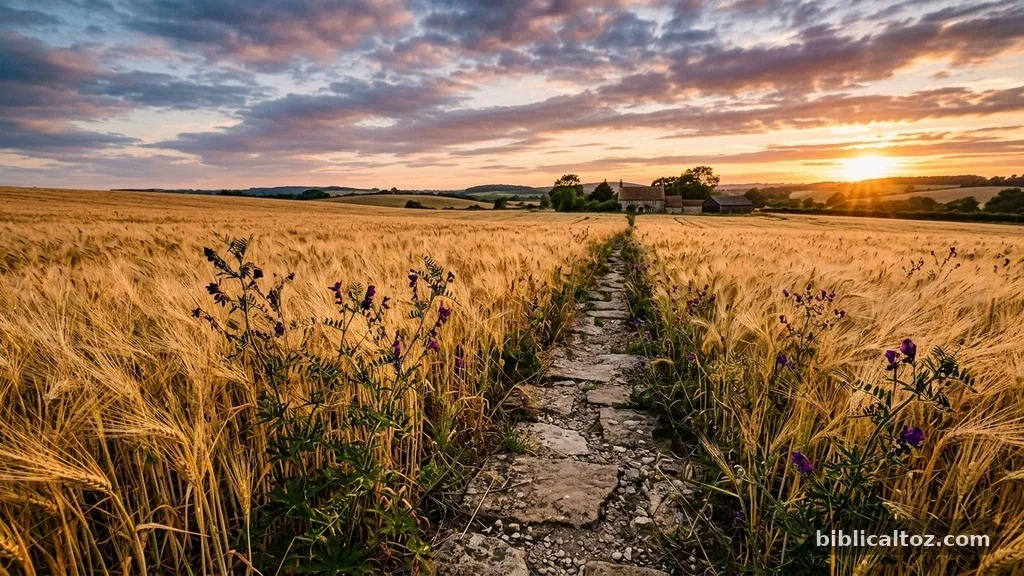
Jesus presented this story to clarify the complexities of the world. A man sows good seed in his field, but while everyone sleeps, an enemy comes and sows weeds among the wheat. When the plants sprout, the servants notice the unwanted growth and ask if they should pull it up.
The owner instructs them to wait, fearing that uprooting the weeds might damage the grain. They are told to let both grow together until the harvest, at which point the reapers will separate them for burning and gathering.
This imagery resonated deeply with an agrarian society, as the plant known as darnel, or tares, looks nearly identical to wheat during its early growth stages. Only when the grain heads form can the difference be clearly seen. This botanical reality mirrors the spiritual challenge of distinguishing between true disciples and those who merely appear to follow the faith.
Interpreting the Symbols
Jesus provided an explicit explanation for his disciples, ensuring they understood the metaphorical meaning behind the agricultural elements. The field represents the world, while the good seed signifies the children of the kingdom. Conversely, the tares represent the children of the wicked one, and the enemy who sowed them is the devil.
- The Field: Represents the entire world, not just the local church.
- The Wheat: Refers to the true believers who belong to the kingdom.
- The Tares: Symbolizes those who reject the truth or actively oppose it.
- The Harvest: Represents the end of the age when judgment occurs.
- The Reapers: Identified as the angels who carry out the separation.
Why the Wait is Necessary
One of the most challenging aspects of this teaching is the owner’s command to refrain from immediate action. Human logic often demands the swift removal of anything perceived as harmful, yet the master of the field prioritizes the preservation of the wheat.
This highlights the dangers of human judgment. Because people lack the omniscience of God, any attempt to purge the world of “tares” frequently results in unintended harm to the innocent.
| Action | Human Perspective | Divine Perspective |
|---|---|---|
| Weeding | Immediate removal is necessary for purity. | Premature removal risks destroying the crop. |
| Timing | Judgment should happen instantly. | Patience allows for growth and maturation. |
| Outcome | Focus on eliminating the bad. | Focus on gathering the good. |
Common Misconceptions
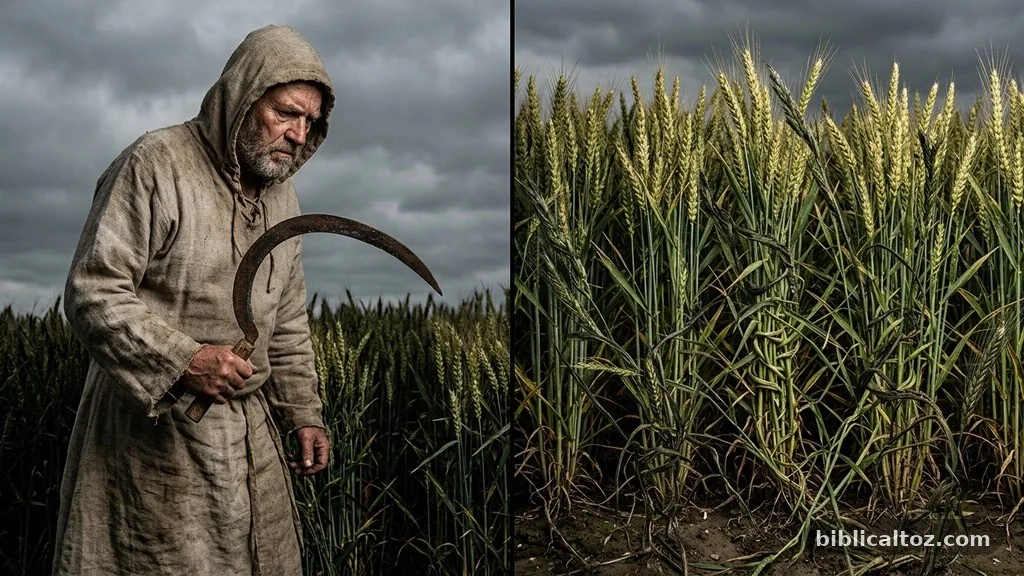
Many readers assume this story refers exclusively to the internal discipline of the church, but the text explicitly states that the field is the world. This distinction is vital.
While the New Testament contains instructions for maintaining holiness within the body of believers, this specific parable addresses the broader reality of living in a world where good and evil are intertwined. It is not a command to ignore sin, but a reminder that total separation is a divine task, not a human one.
Another frequent error is the belief that the tares can never become wheat. While the parable focuses on the end of the age, the gospel message itself is one of transformation. The grace of God remains active throughout the time of growth, offering hope that individuals currently identified with the “tares” might yet be transformed by the truth before the final harvest arrives.
Practical Application for Today
Living in a world that feels increasingly divided can be discouraging. You might feel the urge to isolate yourself or to demand immediate justice against those who act contrary to your values.
However, this teaching encourages a different approach. It calls for patience, trusting that God maintains ultimate control over the timeline of justice.
Focus on your own growth and your identity as “wheat” rather than obsessing over the presence of others. By concentrating on your relationship with God and the fruit you produce, you align yourself with the master’s intent. This perspective shifts the focus from anxiety about the state of the world to a steady, faithful commitment to your own spiritual health.
Frequently Asked Questions
What is the meaning of the parable of the wheat and tares?
The parable teaches that God allows good and evil to exist together in the world until the end of time. It emphasizes divine patience and warns against premature human judgment, assuring believers that perfect justice will be served at the final harvest.
Why are the tares not pulled up immediately?
The master explains that pulling up the weeds would likely damage the wheat. Because the root systems of the two plants are often intertwined during the growing season, waiting until the harvest ensures the wheat is safely gathered without loss.
Who are the reapers in the story?
Jesus identified the reapers as the angels. They are the ones tasked by God to carry out the separation of the wicked from the righteous when the time for judgment arrives at the end of the age.
Does this parable forbid church discipline?
No, this teaching refers to the world at large, not the internal operations of a local congregation. While the parable encourages patience toward the world, other biblical passages provide specific instructions for maintaining integrity and addressing unrepentant sin within the community of believers.
What does the burning of the tares represent?
The burning represents the final judgment. It signifies the ultimate separation of those who have rejected God’s kingdom from those who have lived within it, emphasizing that evil will not have an eternal place in the new creation.
Can a tare become wheat?
The parable uses static symbolism to explain the final state of humanity at the harvest. However, the overall message of the Bible is that the gospel has the power to change hearts. As long as the harvest has not yet arrived, there is always opportunity for repentance and transformation.
Why does God allow evil to persist?
The parable suggests that God’s patience serves a higher purpose. By allowing the wheat to grow to full maturity, He ensures that none of the true harvest is lost, demonstrating His mercy and long-suffering in an imperfect world.
How should I respond to the evil I see around me?
Instead of trying to act as the ultimate judge, you are encouraged to remain faithful and productive in your own life. Trust that God sees everything, and His timing for justice is far more precise and effective than any human effort could be.
Reflecting on the Harvest
The parable of the wheat and tares serves as a powerful reminder that current appearances do not dictate the final outcome. While the world may seem filled with confusion and opposing forces, you can find peace in knowing that the Master of the field is watching over His own. He is not indifferent to the evil that exists, but He is patient, ensuring that the fruit of the kingdom is protected and brought to completion.
As you reflect on these truths, consider how you might embody patience in your daily interactions. Rather than becoming overwhelmed by the state of things, continue to cultivate your own faith and integrity.
When you focus on your growth, you contribute to the harvest in the way God intended. Take time this week to read the full account in Matthew 13 and meditate on the hope that lies in the final, perfect resolution of the Master.