The Parable of the Mustard Seed: Meaning and Significance
The parable of the mustard seed offers a profound glimpse into how the kingdom of God operates in the lives of believers. Found in the Gospels, this short but potent teaching uses a common agricultural image to illustrate the surprising nature of divine growth.
By exploring the parable of the mustard seed, you can gain a deeper understanding of how small, seemingly insignificant acts of faith often result in far-reaching spiritual impact. This teaching reminds us that God’s work doesn’t always begin with grand gestures but instead starts in humble, quiet places, eventually expanding beyond what anyone might initially anticipate.
The Biblical Context of the Parable
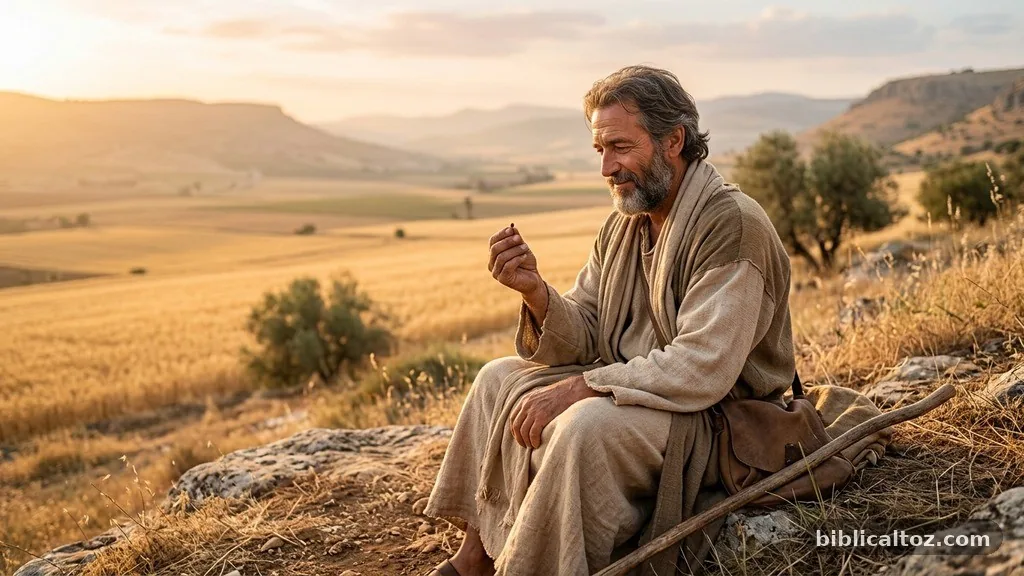
Jesus often used agricultural metaphors because his audience lived in an agrarian society. When he spoke about the kingdom of God, he frequently drew comparisons to seeds, soil, and harvest. In Matthew 13:31-32, he presents the narrative as a direct comparison, noting that the kingdom is similar to a grain of mustard that a man took and sowed in his field.
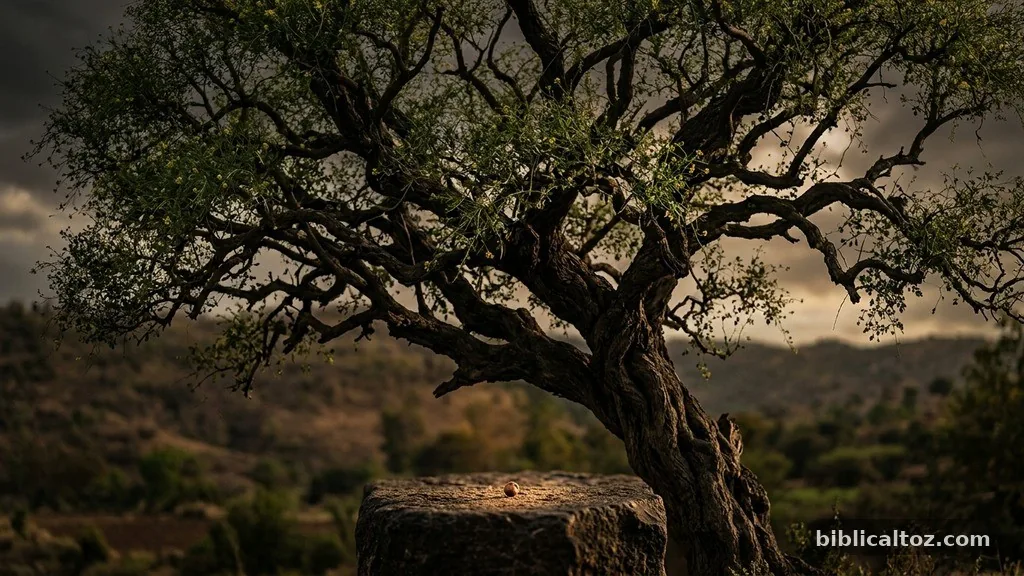
While this seed is the smallest of all seeds, it grows into a plant that surpasses garden herbs. It becomes a tree where the birds of the air come and lodge in its branches. Mark and Luke also record this teaching, emphasizing that this growth happens despite the humble, tiny beginnings of the seed itself.
Symbolism and Cultural Meaning
To grasp the full weight of the teaching, it helps to consider what a mustard seed represented to a first-century listener. It wasn’t just a random plant; it was a common, recognizable item that held specific connotations about resilience and unexpected expansion.
The Smallest Seed
The description of the mustard seed as the smallest of all seeds was a common proverbial way in the ancient world to speak of something minuscule. Jesus used this hyperbole to contrast the tiny start of his ministry—a few followers in a remote corner of the Roman Empire—with the inevitable, massive reality of his kingdom.
The Tree and the Birds
The image of birds nesting in the branches is crucial. In Old Testament imagery, particularly in the prophets Ezekiel and Daniel, large trees often represented powerful empires that provided protection. By suggesting that the kingdom of God becomes a tree, Jesus was signaling that his movement would eventually provide refuge and shelter for people from all nations.
| Feature | Physical Reality | Spiritual Significance |
|---|---|---|
| Starting Size | Extremely small | Humble beginnings of faith |
| Growth Pattern | Rapid and expansive | God’s kingdom spreading globally |
| The Branches | Shelter for birds | A home for all nations |
Common Misconceptions
Many readers encounter difficulty by trying to force modern botanical definitions onto ancient parables. One common error is debating whether the mustard plant is technically a “tree” or a “shrub.”
This misses the point entirely. The primary function of the story is to illustrate a principle of growth, not to provide a biology lesson.
Another misconception involves the idea that the seed represents individual salvation alone. While the growth of the kingdom certainly includes individual hearts, the parable focuses on the collective, public nature of the kingdom of God as it permeates the world. It is a corporate reality that changes the landscape of history, not just a private religious experience.
Practical Application for Today
Understanding the parable of the mustard seed changes how we view our daily efforts for the gospel. We often feel discouraged if our influence seems small or our progress feels slow. This teaching serves as a necessary reminder that God is the one who provides the growth.
- Faithfulness matters more than immediate, visible results.
- Small acts of kindness can have eternal consequences.
- Patience is required to see the full vision of God’s work.
- God often uses the weak things of the world to shame the strong.
When you feel like your contribution to the kingdom is too small to matter, remember that even the smallest seed contains the potential for a massive harvest. The focus should remain on the act of sowing, trusting that the Lord of the harvest will handle the development in his own timing.
FAQs
What is the core message of the parable?
The core message is that the kingdom of God starts in small, humble ways but will eventually grow into something vast, powerful, and inclusive that provides shelter for many.
Why did Jesus compare the kingdom to a mustard seed?
He used it because his listeners were familiar with the seed’s tiny size and its surprising ability to grow into a large, sturdy plant, making it a perfect metaphor for the rapid, unexpected expansion of his ministry.
Does the mustard seed represent personal faith?
While the seed can represent the growth of faith within an individual, the context of the passage suggests it refers more broadly to the kingdom of God—the collective movement of his followers.
What do the birds represent in the story?
The birds represent people from all nations and backgrounds who find refuge, protection, and belonging within the kingdom that God is building.
Is the mustard plant mentioned elsewhere in the Bible?
Yes, Jesus mentions the mustard seed again in Matthew 17:20, where he uses it to illustrate that even a tiny amount of faith can accomplish great things through God’s power.
How should I apply this to my life?
Apply it by remaining faithful in the small tasks God gives you, even when you don’t see immediate results, and by trusting that God uses your small efforts to build his larger kingdom.
Reflecting on Spiritual Growth
The parable of the mustard seed stands as a challenge to our desire for instant, grand results. We live in an era that values scale and speed, yet the kingdom of God moves according to a different rhythm.
By looking at the life of Jesus, we see that the most significant transformations often happen in the quietest ways. Whether you are serving your family, your neighbors, or your local church, your work is a seed planted in the soil of God’s plan.
Take time this week to reflect on the small areas of your life where you are planting seeds of faith. Do not be discouraged by the current size of your influence.
Instead, rest in the knowledge that you are part of a kingdom that is actively growing. If you find yourself needing more clarity on these teachings, consider reading the Gospel of Matthew in its entirety to see how this theme of growth continues throughout the ministry of Jesus.