Book of Ezekiel Explained: Visions, Judgment & Restoration
Getting the book of Ezekiel explained requires stepping into the shoes of a priest living in a foreign land. As one of the most enigmatic prophets in the Old Testament, Ezekiel communicates through intense visions and dramatic symbolic actions that reflect the gravity of Israel’s situation.
By examining his life, the historical backdrop of the Babylonian exile, and the profound theological shifts he introduces, we can better grasp how he addressed a broken people. This exploration helps clarify why his message of judgment and ultimate restoration remains a cornerstone for understanding the relationship between human disobedience and the persistent, life-giving nature of divine grace.
Who Was Ezekiel?
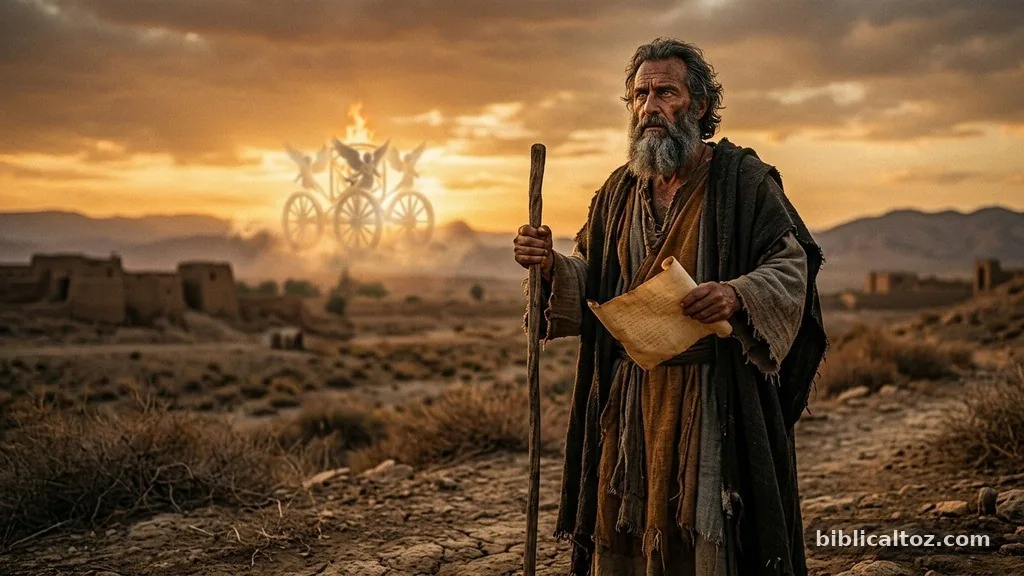
Ezekiel was a priest by heritage, the son of Buzi, and he lived during a time of immense national trauma. His background is crucial because it informs his deep concern for the holiness of the temple and the proper conduct of the priesthood. Before his exile, he would have been preparing for service in the Jerusalem temple, but the geopolitical tides of the ancient Near East had other plans.
When Nebuchadnezzar of Babylon deported the elite of Jerusalem in 597 BCE, Ezekiel was among the captives. He was taken to a settlement near the Chebar canal, where he spent his days as a displaced person. Unlike the prophets who remained in Jerusalem, Ezekiel’s ministry took place entirely on foreign soil.
His calling, described in his opening chapters, was not to a palace but to a community of exiles who were struggling to reconcile their identity as God’s people with the reality of their defeat. He was a man of intense discipline, often performing strange, public displays to capture the attention of a distracted and stubborn audience.
Ezekiel and the Babylonian Exile
The Babylonian exile was not merely a relocation; it was a crisis of faith. For the Israelites, the destruction of Jerusalem and the temple suggested that their God had either been defeated by the Babylonian deities or had abandoned His people altogether. The book of Ezekiel serves as a direct response to this existential dread.
Ezekiel frames the exile as a consequence of national apostasy. He argues that the catastrophe was not a sign of God’s impotence but an expression of His justice. Because Israel had broken the covenant, the presence of the Lord departed from the temple, leaving it vulnerable to destruction.
This context is essential for understanding the entire book. Every vision of judgment and every promise of restoration is anchored in the fact that the people were living in a state of spiritual and physical exile, waiting for a sign that their relationship with the Almighty could be mended.
Ezekiel’s Vision of God’s Glory
The opening chapter of the book contains one of the most surreal visions in the entire Bible. Ezekiel sees a storm wind coming from the north, accompanied by four living creatures, each with four faces and four wings. Above them sits a throne, and upon that throne is the likeness of a human form, glowing with the brilliance of fire and amber.
This vision is designed to shatter the notion that God is limited to a specific geographic location. By appearing to Ezekiel in Babylon, the Lord demonstrates that His sovereignty is not tied to the temple walls in Jerusalem.
The complexity of the imagery—the wheels within wheels, the eyes, and the sheer movement of the divine chariot—emphasizes the majesty and transcendence of the Creator. It is a reminder that God’s presence is mobile, active, and far beyond human containment.
Judgment on Jerusalem
Much of the first half of the book focuses on the impending doom of Jerusalem. Ezekiel uses a series of graphic prophetic acts to illustrate the city’s fate. He draws a map of Jerusalem on a clay brick and lays siege to it; he lies on his side for over a year to bear the iniquity of the house of Israel; he cuts his hair and divides it into thirds to signify the different ways the people will perish.
These actions were not performative theater but urgent warnings. Ezekiel makes clear that the moral decay, the idolatry within the temple, and the social injustice of the ruling class have made the city’s destruction inevitable.
The message is stern: the covenant relationship is real, and it demands accountability. Jerusalem is not an inviolable talisman; it is a city that has turned its back on the very source of its life.
Individual Responsibility in Ezekiel 18
One of the most significant theological developments in the book is the shift toward individual accountability. The people in exile were fond of a proverb suggesting that the children were paying for the sins of their fathers. They felt like victims of a historical trend they could not control.
Ezekiel 18 dismantles this excuse. He asserts that the soul that sins is the one that will die. God declares that He takes no pleasure in the death of the wicked but instead desires that they turn from their ways and live.
This chapter places the burden of choice back on the individual. It suggests that one’s standing before God is determined by current repentance and righteousness rather than ancestral legacy. This shift was a radical call to personal integrity in a time when many were looking for scapegoats.
The Shepherds of Israel
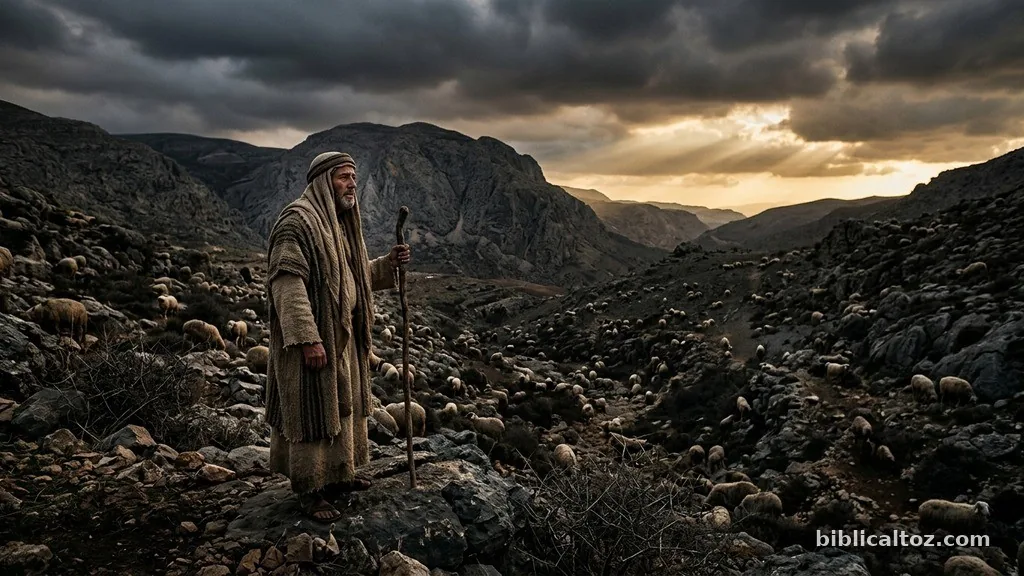
In chapter 34, Ezekiel turns his gaze toward the political and religious leaders of Israel. He uses the metaphor of shepherds, contrasting the current leaders with the ideal care of God. The existing shepherds have fed themselves rather than the flock; they have ignored the sick, lost, and broken, choosing instead to rule with force and harshness.
Because of this failure, the Lord promises to intervene directly. He declares that He will search for His sheep and tend to them Himself. This leads to the messianic promise of a “true shepherd” who will lead the people in truth and justice.
This section of the book is vital for understanding the later New Testament imagery of Jesus as the Good Shepherd. It moves the conversation from the failure of human institutions to the faithfulness of the divine Provider.
A New Heart and New Spirit
Perhaps the most hopeful section of the book is found in chapter 36. Here, Ezekiel transitions from judgment to a promise of internal transformation. The problem with Israel, he explains, was not just their outward actions but their “heart of stone.”
The Lord promises a solution that is nothing short of a miracle: He will give them a new heart and put a new spirit within them. He will replace their stony, unresponsive hearts with hearts of flesh that are sensitive to His law. This transformation is not something the people can achieve through their own willpower.
It is a gift of grace that enables them to walk in obedience. This promise serves as the Old Testament foundation for the concept of regeneration, where the Spirit of God works from the inside out to change a person’s fundamental nature.
The Valley of Dry Bones Explained
Ezekiel 37 is one of the most famous passages in the Bible. The prophet is placed in a valley filled with dry, scattered bones and asked if they can live. As he prophesies over them, the bones rattle, connect, and are covered with flesh, yet they remain lifeless until the breath of God enters them.
This vision was primarily a message of hope for the exiled people of Israel. They felt like these dry bones—dead, scattered, and beyond repair. The vision assures them that national restoration is possible because the same power that created them can re-create them.
While it has been interpreted through many lenses throughout history, its immediate context is the resurrection of the nation of Israel from the state of spiritual and political death. It is a powerful affirmation that God’s restorative power is greater than any human sense of hopelessness.
Gog and Magog in Ezekiel
Chapters 38 and 39 describe an invasion by a mysterious figure named Gog from the land of Magog. This section has often been the subject of intense, speculative end-times theorizing. However, when read in its original context, it functions as a vision of the final defeat of all evil forces that rise against God’s people.
The imagery of Gog represents the last gasp of opposition to the kingdom of God. By depicting this massive, multi-national force being utterly destroyed by the hand of the Lord, Ezekiel provides the ultimate assurance that God will vindicate His people once and for all. It is a poetic way of saying that the threats against God’s kingdom are temporary, while the peace and security established by the Lord are eternal.
Ezekiel’s Temple Vision
The book concludes with a lengthy, detailed vision of a new temple (chapters 40–48). This vision has sparked centuries of debate among scholars and theologians regarding its nature.
- The Literal Interpretation: Some view this as a blueprint for a physical, third temple to be rebuilt in a future millennial kingdom.
- The Symbolic Interpretation: Others see this as a highly stylized representation of the ideal relationship between God and His people, where holiness is central.
- The Eschatological Interpretation: Many scholars suggest it represents the perfect, heavenly reality of God’s dwelling with humanity, which is fulfilled in the New Testament vision of the New Jerusalem.
Regardless of the specific view, the central point remains: the glory of the Lord returns to dwell among His people. The name of the city at the end is “The Lord Is There,” signifying that the ultimate restoration is characterized by the permanent presence of God.
Major Themes in Ezekiel
| Theme | Key Focus |
|---|---|
| Divine Sovereignty | God’s rule extends beyond borders and over all nations. |
| Holiness of God | God’s intense purity demands a response of consecrated living. |
| Individual Responsibility | Each person is accountable for their own moral choices. |
| Restoration | God’s ultimate goal is the renewal of His people’s hearts. |
| Divine Presence | The return of God’s spirit is the pinnacle of the prophetic hope. |
Frequently Asked Questions
What is the main message of the book of Ezekiel?
The central message is that God is holy and sovereign, and while He must judge sin, His ultimate purpose is to restore His people by transforming their hearts and dwelling among them.
Why did God not allow Ezekiel to mourn his wife?
When Ezekiel’s wife died, he was instructed not to perform the typical public rites of mourning. This was a “sign act,” symbolizing how the destruction of the temple would be so devastating that the people would be unable to mourn in the usual way, as their grief would be too deep for outward expression.
Who is Ezekiel to Jesus?
Ezekiel is a prophetic predecessor who points toward a new covenant and a new heart. Jesus fulfills the role of the Good Shepherd described in Ezekiel 34, and the language of the Spirit of God transforming the heart finds its complete realization in the ministry of Christ.
How do we distinguish between literal and symbolic visions?
Discerning these visions requires looking at the intent of the author. Much of the imagery, such as the wheels or the dry bones, is clearly metaphorical, intended to communicate theological truths rather than physical realities.
Is the temple in the final chapters literal?
There is no consensus among scholars. Some argue it is a literal future structure, while others believe it is a symbolic vision of the restored community of God, emphasizing the importance of His holiness.
What does “Gog and Magog” mean?
Gog and Magog are symbols of the nations that oppose God. They represent the final, failed attempt by worldly powers to destroy the people of God before the final establishment of His kingdom.
Why does Ezekiel focus so much on the temple?
As a priest, the temple was the center of his worldview. He emphasizes the temple because it was the locus of God’s presence; its pollution, destruction, and eventual restoration reflect the spiritual state of the people.
How does the book address the exile?
It reframes the exile not as a defeat of God, but as a deliberate act of divine judgment designed to discipline the people and bring them to repentance.
What is the significance of the “Spirit” in the book?
The Spirit of God is the agent of life and transformation. The promise that God would put His Spirit within them is the key to the new life that the exiles were waiting for.
How can a modern reader apply the book of Ezekiel?
Modern readers can apply the book by recognizing the importance of personal accountability, the need for internal heart-change through the Spirit, and the assurance that God’s presence is the ultimate goal of the Christian life.
Conclusion
The book of Ezekiel stands as a profound witness to the holiness of God and the depth of His compassion. By navigating the reality of judgment, the prophet forces us to confront the seriousness of disobedience while simultaneously offering a vision of hope that transcends human failure. The journey from the valley of dry bones to the temple where God resides shows that even when we feel spiritually dead or distant, the promise of a new heart remains available.
Understanding these themes provides a clearer picture of the biblical narrative as a whole. It reminds us that our faith is not built on our own merit but on the faithful presence of a God who is constantly at work to restore His people. As you continue your study of the scriptures, let the message of this book encourage you to seek that inner transformation that only the Spirit can provide.