Faith of Rahab: Redemption, Grace, and Actionable Belief
The story of Rahab stands as one of the most compelling narratives in the Bible, illustrating how an outsider can be woven into the grand tapestry of divine history. When we examine the faith of Rahab, we discover a woman who moved from the margins of society to a central place in the lineage of Jesus.
Her journey is not merely a historical account but a profound example of how belief translates into bold, decisive action. By exploring her background in Jericho and her pivotal choice to protect the Israelite spies, readers can gain a deeper understanding of how grace transforms lives regardless of past circumstances.
A Narrative of Courage in Jericho
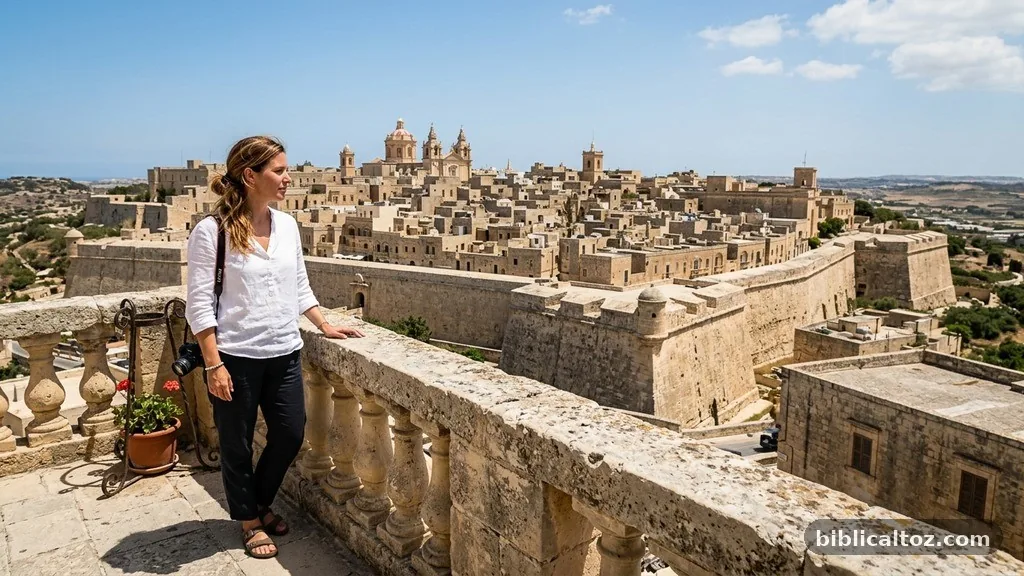
The account of Rahab begins in the fortified city of Jericho, a place that stood as a formidable obstacle to the advancing people of Israel. As the Israelites prepared to enter the land promised to them by the Lord, Joshua sent two men to scout the city. These spies found refuge within the house of a woman named Rahab.
While the biblical text identifies her as a harlot, her role in this narrative is that of a shrewd and perceptive diplomat. She recognized that the tide of history was turning and that the God of Israel was the true sovereign over heaven and earth.
When the King of Jericho demanded that she surrender the men, Rahab chose to hide them beneath stalks of flax on her roof. This act was not a casual gesture; it was a high-stakes gamble that defied the authority of her own government. Her confession to the spies remains one of the most articulate statements of faith in the Old Testament.
She acknowledged that the Lord had given the land to the Israelites and that the people of Jericho were paralyzed by fear. By securing a promise of protection for her family, she demonstrated a foresight that prioritized the lives of her loved ones over her own safety.
The scarlet cord she hung from her window served as a visible sign of this covenant. This simple piece of fabric became a symbol of salvation, ensuring that when the walls of Jericho eventually fell, her household would be spared. This narrative highlights the intersection of divine sovereignty and human agency.
Rahab did not simply wait for deliverance; she actively participated in the process of her own rescue by aligning herself with the people of God. Her story remains a powerful testament to the idea that no one is beyond the reach of divine grace when they respond with genuine conviction.
Biblical Significance and Genealogy
The legacy of the woman who sheltered the spies extends far beyond the fall of Jericho. Within the pages of the Bible, she is honored as a figure of remarkable spiritual stature. The genealogy of Jesus, recorded in Matthew 1:5, explicitly names her as the mother of Boaz.
This inclusion is revolutionary, as it places a Gentile woman from a pagan city directly into the ancestral line of the Messiah. It serves as a clear indicator that the kingdom of God is inclusive, welcoming those who were previously considered outsiders or unworthy.
New Testament authors elevate her example to teach essential lessons about the nature of belief. In Hebrews 11:31, she is listed among the heroes of the faith, cited specifically because she did not perish with those who were disobedient. The writer of Hebrews underscores that her reception of the spies was an act of faith, not merely a political calculation.
Furthermore, the Epistle of James uses her as a primary case study to explain the relationship between belief and behavior. James 2:25 asks a rhetorical question about whether she was justified by works when she protected the messengers, concluding that faith without action is essentially dormant.
These references suggest that the early church viewed her not as an anomaly, but as a model of how faith operates in a fallen world. Her life bridges the gap between the Old Testament promise and the New Testament fulfillment.
By studying her place in the genealogy of Jesus, we learn that God values the heart that turns toward Him, regardless of the cultural or social labels attached to that individual. Her inclusion reminds us that the history of redemption is populated by people who, like her, recognized the truth and acted upon it with courage.
Ethics and the Nature of Belief
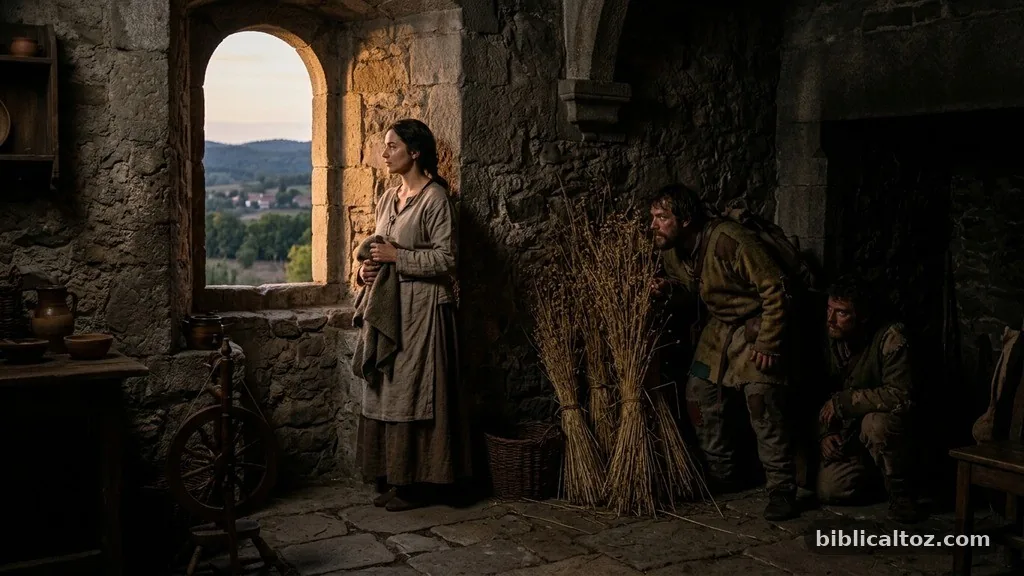
The story of Rahab often prompts questions regarding the morality of her actions, particularly her decision to deceive the authorities of Jericho. Some readers struggle with the fact that she lied to protect the spies, leading to various theological interpretations that attempt to reconcile this with biblical morality.
However, the text itself does not focus on the ethics of her deception; rather, it highlights the sincerity of her confession and the risk she took to side with the Lord. Her actions reflect a shift in allegiance from a dying city to a rising kingdom.
The relationship between faith and works is central to the discussion surrounding her life. As established in the book of James, true faith is not a passive mental assent but a kinetic force that changes how one lives.
Rahab understood that her survival depended on her alignment with the people of God, and she acted accordingly. Her story suggests that faith is often tested in moments of great uncertainty, where the right choice may appear dangerous or even treasonous to those around us.
We can summarize the key aspects of her story and the lessons they offer through the following table:
| Action | Scripture Reference | Spiritual Lesson |
|---|---|---|
| Hiding the spies | Joshua 2:4-6 | Courageous belief requires taking personal risks. |
| Confessing God’s power | Joshua 2:9-11 | Acknowledging the Lord is the first step of faith. |
| Securing the scarlet cord | Joshua 2:18-21 | Faith involves trusting in a specific promise. |
| Surviving the siege | Joshua 6:22-25 | Grace provides salvation to those who join God’s people. |
This table illustrates that her story is composed of specific, deliberate choices. Each action she took serves as a building block for the legacy she left behind. By looking at these moments, we can see that her faith was not a sudden burst of emotion but a sustained commitment to the truth she had discovered about the God of Israel.
Lessons for Modern Application
Reflecting on the life of this woman offers several practical insights for those seeking to understand how faith functions in their own lives. Her story is not about perfection, but about the transition from fear to trust. Below are several core lessons derived from her journey:
- Faith is often expressed when we choose to align ourselves with the truth, even when it is unpopular or dangerous.
- No individual is too far removed from the grace of God; history is full of examples where the unexpected person becomes a key player.
- Genuine belief manifests in tangible actions; when we truly trust a promise, we begin to live our lives as if that promise is already true.
- Family and community are often impacted by the decisions of one person who chooses to step out in faith.
- The past does not have to define the future; redemption is always possible for those who turn toward the light.
These lessons suggest that the faith of Rahab is highly relevant to contemporary life. It challenges us to examine our own allegiances and to consider whether our beliefs are shaping our daily decisions.
Just as she had to let go of her security in Jericho to embrace a new future, we are often called to release our reliance on worldly comforts to follow the path set before us by the Lord. Her life serves as a reminder that the most significant legacies are built on the foundations of trust, risk, and radical obedience.
Frequently Asked Questions
Was Rahab considered a Gentile?
Yes, she was a Canaanite woman living in Jericho, which makes her a Gentile. Her inclusion in the lineage of Jesus highlights the universal reach of God’s grace, showing that the kingdom is open to all nations.
Why did God choose to include her in the genealogy of Jesus?
Her inclusion serves as a profound statement that the Savior of the world came for all people, not just the Jewish nation. It demonstrates that God’s plan of redemption is not limited by human categories of merit or ancestry.
What does the scarlet cord symbolize?
The scarlet cord represents the covenant of protection between the spies and Rahab. It is a symbol of faith-based salvation, acting as a visible sign that she and her household were set apart and marked for deliverance during the fall of the city.
How can I apply the story of Rahab to my life today?
You can apply her story by identifying areas where you need to act on your beliefs rather than just holding them as opinions. Her life encourages us to be brave, to trust in God’s promises during times of transition, and to recognize that our past does not dictate our future.
Conclusion
The faith of Rahab remains a cornerstone of biblical narrative, offering a bridge between the old and the new. She teaches us that belief is not merely a private thought but a public commitment that changes the trajectory of our lives.
By choosing to trust in the God of Israel, she moved from being a resident of a doomed city to a matriarch in the family of the Messiah. Her life demonstrates that grace is expansive and that courage is the natural byproduct of genuine conviction.
As you reflect on her journey, consider the areas in your own life where you are being called to act on your beliefs. The same grace that transformed her situation is available today, inviting each of us to align our lives with a greater purpose. May her story inspire you to move forward with confidence, knowing that your choices, when rooted in faith, have the power to create a lasting and redemptive impact.