The Names of Jesus in the Bible: Meaning and Significance
Studying the names of Jesus in the Bible offers a profound window into the heart of Christian faith. Each title assigned to him throughout the scriptures reveals a specific facet of his character, his divine authority, and his redemptive mission for humanity. By examining these biblical names of Jesus, believers can gain a deeper, more personal connection to his work as both man and God.
Whether you are curious about what the names of Jesus mean or are seeking a structured reference for study, these titles provide essential clarity on his identity. Discovering these names of Jesus in the Bible helps illuminate the narrative of salvation from the opening chapters of the gospel to the final vision of Revelation.
The Identity of the Messiah
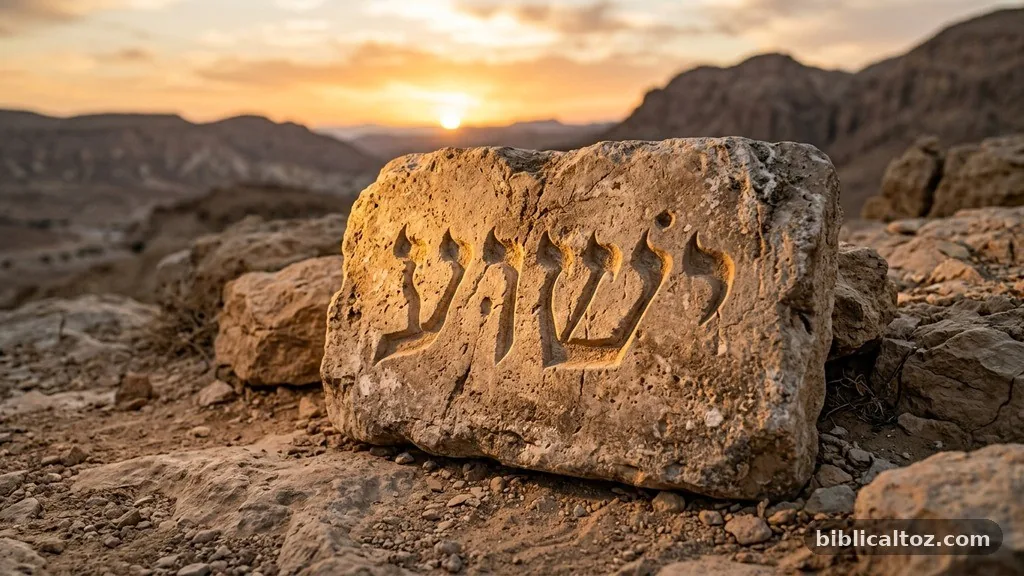
The name Jesus is the Greek form of the Hebrew name Yeshua, which means the Lord is salvation. As recorded in Matthew 1:21, the angel told Joseph that Mary would bring forth a son, and he should call his name Jesus, for he would save his people from their sins. This foundational name establishes his primary purpose: the deliverance of humanity from spiritual separation.
When we look at the titles of Jesus, we often see a distinction between his personal name and his functional titles. Christ, or the Greek Christos, is the equivalent of the Hebrew word Messiah, meaning the Anointed One. This title signifies that he was chosen and commissioned by God to fulfill the messianic prophecies found in the Old Testament, particularly those in Isaiah regarding a suffering servant who would eventually be glorified.
The title Son of God emphasizes his divine nature and his eternal relationship with the Father. In the gospel of John, this relationship is central to the theology of the incarnation. When the text says the Word became flesh, it points to the pre-existent glory of the Son.
Conversely, the title Son of Man appears frequently in the gospels, often used by Jesus himself. This phrase, rooted in the vision of Daniel, highlights his humanity and his role as the representative of mankind.
By bridging the gap between divinity and humanity, these names and titles of Jesus demonstrate how he is uniquely qualified to act as the mediator between God and man. Understanding these distinctions helps clarify why he is often described as both fully human and fully divine.
The Divine Nature and Eternal Roles
The gospel of John opens with a powerful declaration: In the beginning was the Word, and the Word was with God, and the Word was God. This title, the Word, or Logos, suggests that Jesus is the ultimate expression and communication of God to the world. As the Word, he is the creative power through whom all things were made.
This concept is further expanded in the prologue of John, which explains that the life and light of men were found in him. By calling him the Light of the World in John 8:12, the scriptures indicate that he provides the spiritual illumination necessary to navigate a world darkened by sin. Those who follow this light will not walk in darkness but will have the light of life.
Another critical designation is the Alpha and the Omega, which appears in the book of Revelation. As the beginning and the end, the first and the last, this title underscores his eternal sovereignty over all of history. He is the one who was, who is, and who is to come.
This title provides comfort to believers, assuring them that their faith is anchored in the one who stands outside of time. Whether he is referred to as the Holy One or the Redeemer, these names emphasize his perfect purity and his active role in buying back humanity from the bondage of the law. These titles of Jesus are not merely labels; they are descriptions of his unchanging character.
The Shepherd and the Savior

The imagery of the Good Shepherd in John 10:11 is one of the most comforting descriptions of his ministry. A good shepherd gives his life for the sheep, contrasting with a hireling who flees when danger approaches. This metaphor illustrates his protective love and his willingness to sacrifice his own life for the well-being of his followers.
Closely linked to this is the title Lamb of God, which identifies him as the ultimate sacrifice. Just as the Passover lamb was used to protect the people of Israel, his death serves as the final atonement for the sins of the world. This imagery is deeply rooted in the sacrificial system of the Old Testament, where the shedding of blood was necessary for the forgiveness of sins.
His role as the Bread of Life and the Resurrection and the Life provides a sense of sustenance and hope. In John 6, he declares that he is the bread that came down from heaven, capable of satisfying the deepest spiritual hunger. During the events surrounding the death of Lazarus in John 11:25, he proclaims that he is the resurrection and the life, ensuring that those who believe in him will never truly perish.
These specific names of Jesus with Scriptures offer a glimpse into the tangible ways he meets the needs of the human soul. By serving as the Way, the Truth, and the Life, as noted in John 14:6, he provides the only path to the Father, acting as the bridge between God’s holiness and human frailty.
Sovereignty and Final Authority
In the concluding vision of the Bible, he is described as the King of Kings and Lord of Lords. This title, found in Revelation 19:16, establishes his absolute authority over all earthly powers and spiritual principalities. It is a reminder that while the world may seem chaotic, the final reign belongs to him.
The title Prince of Peace, originating from the prophecy in Isaiah, characterizes the nature of his kingdom. It is a reign marked by reconciliation and harmony, not by the sword. As the Lord, he demands our allegiance, but as the Prince of Peace, he invites us into a relationship of rest and trust.
To appreciate the breadth of these titles, it is helpful to look at how they are distributed throughout the New Testament. From the letters of Paul to the Hebrews to the historical accounts in Acts, these names are consistently applied to him to reinforce his deity. The following table provides a quick reference to some of these essential titles and their meanings.
| Name/Title | Meaning | Key Scripture |
|---|---|---|
| Emmanuel | God with us | Matthew 1:23 |
| Savior | Deliverer from sin | Matthew 1:21 |
| Word | Divine expression of God | John 1:1 |
| Good Shepherd | Protector and provider | John 10:11 |
| King of Kings | Supreme Ruler | Revelation 19:16 |
- Jesus: The Lord is salvation, his personal name given at birth.
- Christ: The anointed one, fulfilling the promise of the Messiah.
- Bread of Life: The source of eternal spiritual sustenance.
- Light of the World: The source of truth and spiritual vision.
- Resurrection and Life: The one who overcomes death itself.
Frequently Asked Questions
What are the names of Jesus in the Bible?
The Bible contains many names and titles for Jesus, including Jesus, Christ, Emmanuel, Son of God, Son of Man, Savior, Lord, Lamb of God, Word, King of Kings, and Lord of Lords. Each name highlights a different aspect of his nature, such as his humanity, divinity, or his specific role in the salvation of mankind.
What is Jesus’ name in Hebrew?
In Hebrew, his name is Yeshua. This name is derived from the root word for salvation, which is why the gospel of Matthew explains that he would save his people from their sins.
What does Emmanuel mean?
Emmanuel is a Hebrew name that literally translates to God with us. It appears in the book of Isaiah and is cited in Matthew 1:23 to describe the significance of the incarnation, where God took on human form to dwell among his people.
Why is Jesus called the Son of Man?
Jesus used this title to identify himself with humanity. It emphasizes that he is the perfect human representative who understands the struggles, temptations, and pains of people, while also fulfilling the prophecy of the coming Messiah found in the book of Daniel.
Why is Jesus called the Lamb of God?
He is called the Lamb of God because he serves as the final, perfect sacrifice for sin. This title draws a direct parallel to the sacrificial lambs used in the Old Testament temple system, signifying that his death provides the ultimate atonement for all humanity.
What does Christ mean?
Christ is not a last name but a title. It is the Greek translation of the Hebrew word Messiah, which means the Anointed One. It signifies that he was chosen by God and set apart for the specific work of redemption.
What is the most important name of Jesus?
While all his titles reveal important truths, the name Jesus is foundational because it declares his specific mission to save his people. However, the title Lord is also central, as it confesses his authority and deity over the life of every believer.
Conclusion
Reflecting on the names of Jesus in the Bible reveals a comprehensive picture of a Savior who is both deeply personal and infinitely powerful. Each title, from the humble Shepherd to the triumphant King of Kings, invites us to trust in his character and rely on his promises. By meditating on these names, we find that our understanding of his mission grows, moving beyond simple facts to a vibrant, living relationship.
Whether you are seeking comfort in his presence as Emmanuel or direction from his truth as the Word, these names offer a constant source of strength. May your continued study of these scriptures deepen your faith and draw you closer to the one who is the beginning and the end of all things.