The Proverbs 31 Woman: Meaning and Modern Application
Many people find the Proverbs 31 woman to be a daunting figure, often viewing her as a standard of perfection that feels impossible to reach. Yet, beneath the surface of this ancient poem lies a profound celebration of wisdom, industry, and integrity that resonates across centuries.
By examining the context of these verses, we can move past the pressure of an impossible checklist and instead embrace the encouragement found in her dedication to God and her family. Understanding the Proverbs 31 woman helps us see that she represents a spirit of excellence rather than a rigid set of daily chores.
Historical and Biblical Context
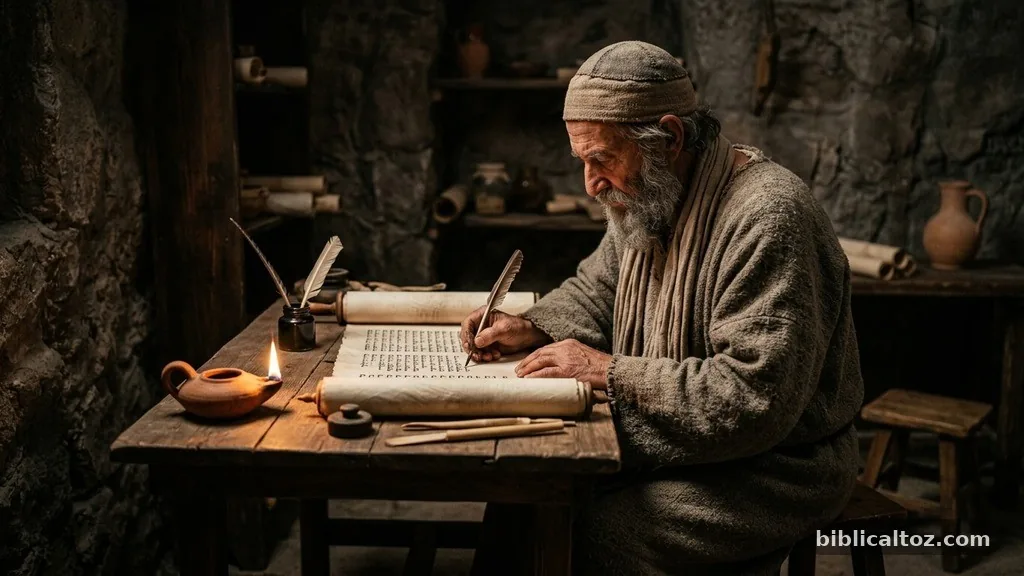
The final chapter of the book of Proverbs is an acrostic poem, meaning each of the twenty-two verses begins with a successive letter of the Hebrew alphabet. This structure suggests that the passage serves as a comprehensive summary of wisdom, representing the entirety of a life lived in alignment with divine principles.
It was traditionally attributed to King Lemuel, who recorded the teachings his mother imparted to him. Rather than a literal biography of a specific historical person, the poem functions as an idealized portrait of a woman of noble character.
In the ancient Near Eastern context, this passage highlights the multifaceted role of a wife and mother who manages the affairs of her household with intelligence and foresight. She is not merely a domestic servant but a shrewd manager, a producer of goods, and a respected member of her community.
The text celebrates her autonomy and her capacity to contribute to the economic and social stability of her family. By viewing her through this lens, we recognize that the passage emphasizes her proactive nature and her deep-seated commitment to those she loves.
Detailed Analysis of the Passage
The verses found in Proverbs 31:10-31 portray a figure whose value is far beyond precious jewels. The Hebrew term used to describe her, which translates to a woman of valor or strength, is the same word often used to describe warriors in battle.
This immediately shifts our perspective away from a passive, quiet image toward one of active, courageous, and capable leadership within the home and beyond. She is a woman who exercises agency, making decisions that benefit her household and demonstrate her sharp intellect.
Her work is characterized by intentionality and a refusal to remain idle. She is seen engaging in agriculture, commerce, and textile production, all while ensuring that her family is well-clothed and fed. The passage notes that her husband trusts her completely, and her children rise up to call her blessed.
This is a testament to the relational fruit produced by her actions, which are rooted in a deep reverence for the Creator. Her life is a reflection of the wisdom literature that permeates the book of Proverbs, demonstrating that true success is found in the integration of faith and daily labor.
Key Virtues and Characteristics

The qualities associated with this biblical figure offer a framework for personal growth rather than a rigid mandate for performance. Below are the core traits that define her character and influence.
1. Fear of the Lord: Her foundation is a deep, abiding reverence for God. She understands that her wisdom is not self-generated but comes from walking in truth.
2.
Wisdom: She speaks with discernment, and her teaching is marked by kindness. She navigates complex situations with a clear head and a steady heart.
3. Strength and Dignity: She carries herself with a sense of purpose.
Her inner fortitude allows her to face future challenges without fear.
4. Hard Work and Diligence: She is industrious, rising early to provide for her household. She does not fear the changing seasons because she is always prepared.
5.
Trustworthiness: Her husband has full confidence in her. She acts as a partner who protects and multiplies the resources entrusted to her care.
6. Care for her Household: She ensures that everyone under her roof is provided for, showing that her management style is rooted in genuine love.
7.
Compassion and Generosity: She opens her hands to the poor and reaches out to the needy. Her life is not lived solely for her own benefit.
8. Wise Speech: Her words are curated with care.
She knows when to speak and when to remain silent, ensuring her influence is always constructive.
9. Planning and Responsibility: She considers a field and buys it. She is an active participant in her family’s financial and long-term security.
10.
Confidence and Character: She is clothed in strength and dignity. Her identity is not tied to the opinions of others but to her relationship with the Almighty.
11.
Relationship with Work: She finds joy in her tasks. Her labor is a form of worship that honors both her family and her Creator.
| Characteristic | Practical Focus | Biblical Basis |
|---|---|---|
| Industry | Productive labor | Proverbs 31:13 |
| Wisdom | Thoughtful speech | Proverbs 31:26 |
| Generosity | Helping the poor | Proverbs 31:20 |
Addressing Common Misconceptions
A major misconception is that the Proverbs 31 woman is a literal checklist for the modern woman to accomplish in a single day. Many feel crushed by the weight of trying to be a farmer, a merchant, a mother, and a philanthropist all at once.
It is vital to remember that this poem is an acrostic designed to illustrate the breadth of a life lived well over time. No single woman is expected to perform every one of these actions simultaneously every day of her life.
We must also avoid the mistake of isolating these verses from the rest of the wisdom literature. The Proverbs 31 woman is an embodiment of Wisdom personified—a recurring theme throughout the book.
She is a symbol of what happens when a person, regardless of their specific daily roles, dedicates their life to integrity, justice, and the fear of the Lord. When we view her as a poetic representation of noble character, the pressure to be perfect dissipates, allowing us to focus on cultivating the internal virtues she represents.
Frequently Asked Questions
What does it mean to fear the Lord in this context?
Fearing the Lord is not about being afraid of punishment. It is about a deep, respectful awe and a commitment to aligning one’s life with God’s design for goodness, justice, and truth.
Is this passage only for married women?
The virtues described, such as wisdom, diligence, and compassion, are universal. While the poem describes a wife and mother, the noble character it promotes is accessible to every person seeking a life of integrity.
How can I apply these lessons in a modern career?
You can apply these lessons by being a person of your word, managing your resources with foresight, and using your influence to help others. Excellence in your work is a way to reflect the diligence described in the text.
Does this mean I should be a stay-at-home mother?
The text describes a woman who is highly active in commerce and community affairs. It does not mandate a specific domestic arrangement but rather emphasizes the importance of being active, productive, and wise in whatever sphere you inhabit.
Why does the text focus so much on material wealth?
The text focuses on the fruits of her labor. In the ancient world, managing a household’s resources was a primary way to show wisdom and care for the family. Today, this translates to stewardship of our time, talents, and finances.
Conclusion
The Proverbs 31 woman remains a powerful archetype that invites us to live with intention, courage, and grace. Rather than seeing her as a competitor or an impossible standard, we can view her as an inspiration for the character we are called to build. Her life encourages us to develop our wisdom, care for our communities, and maintain a heart that is anchored in the fear of the Lord.
As you reflect on these truths, remember that your worth is not defined by a list of accomplishments. It is rooted in your identity and the integrity you bring to your daily life.
Start by identifying one area where you can grow in wisdom or diligence today. By focusing on the internal virtues of a Proverbs 31 woman, you can build a life that is both meaningful and impactful.