Holy of Holies Explained: Meaning, Origin & Biblical Role
When you encounter the phrase holy of holies explained in biblical studies, you are looking at the heart of Israelite worship. This sacred space represented the intersection of heaven and earth, serving as the dwelling place of God‘s presence among His people.
Understanding this room is vital because it reveals the depth of the Old Covenant rituals and sets the stage for the transformative work of Jesus. By looking at the original instructions given to Moses and the later temple structure, you will gain a clearer view of why this area was so guarded, who was permitted to enter, and how the ancient sacrificial system pointed toward a permanent solution for human sin.
Definition and Physical Description
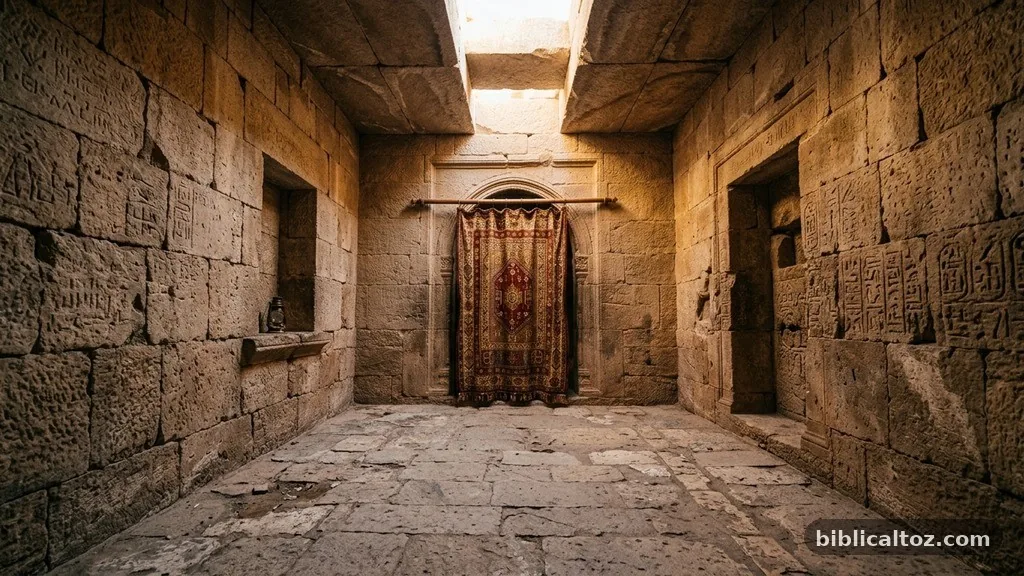
The holy of holies, also known as the Most Holy Place, was the innermost sanctuary of the Tabernacle and later the Temple in Jerusalem. It was a perfect cube, designed to be set apart from every other area of the building.
- It was separated from the Holy Place by a thick, heavy veil.
- Only the High Priest could enter, and this occurred only once a year on the Day of Atonement.
- The room contained the Ark of the Covenant, which served as the throne of God.
- The mercy seat, the lid of the Ark, was covered by two golden cherubim.
Location and Access
The room was situated at the western end of the Tabernacle structure. Because it housed the presence of the Lord, access was strictly limited. The Bible emphasizes that common people, and even regular priests, were forbidden from entering this space. Failure to follow these strict protocols resulted in severe consequences, as the holiness of God was not to be approached lightly.
The Ark of the Covenant
The centerpiece of this room was the Ark of the Covenant. This wooden chest, overlaid with pure gold, held specific items that testified to God’s relationship with Israel.
| Item | Historical Significance |
|---|---|
| Tablets of the Law | Represented the covenant and God’s standard of holiness. |
| Aarons Rod | Symbolized God’s chosen authority for the priesthood. |
| Jar of Manna | Served as a reminder of God’s provision in the wilderness. |
Biblical Context and Worship Role
The instructions for constructing the Tabernacle are found primarily in the book of Exodus. God provided Moses with precise measurements and materials to ensure that the sanctuary reflected His glory. Throughout the books of Leviticus and Numbers, the focus shifts to the practical use of this room. It was the place where the High Priest would sprinkle blood upon the mercy seat to make atonement for the sins of the people. This ritual was not merely symbolic; it was an act of obedience that maintained the relationship between a holy God and a sinful nation.
Theological Significance
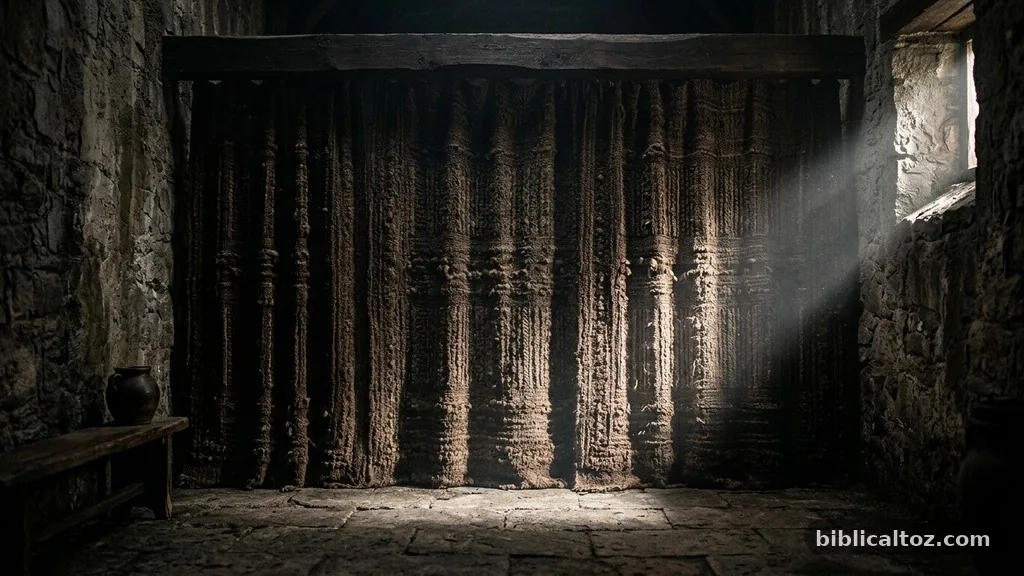
The holy of holies explained in a theological sense centers on the concept of holiness. God is entirely separate from sin, and the barrier of the veil served as a constant visual reminder of that separation. Under the Old Covenant, the presence of the Lord was localized. It was not accessible to everyone at all times. This system functioned to teach the people the gravity of their rebellion and the cost required to approach a righteous Creator.
Connection to Jesus Christ
In the New Testament, the narrative shifts significantly. When Jesus died on the cross, the Gospel of Matthew records that the veil of the temple was torn in two from top to bottom. This event is the ultimate fulfillment of the Old Covenant shadows. Because of the sacrifice of Christ, the barrier between God and humanity was removed. Believers are no longer required to approach a physical room or rely on a human high priest to intercede; Jesus serves as the eternal High Priest who has opened the way for all who trust in Him.
Common Misunderstandings
Many readers assume that the holy of holies was a place where God lived in a way that restricted Him to that room. In reality, the Bible teaches that the heavens cannot contain Him. Another misconception is that the items inside the Ark were magical; they were historical artifacts meant to remind Israel of their history and God’s faithfulness.
Frequently Asked Questions
Did Jesus ever enter the Holy of Holies?
Jesus never entered the physical Most Holy Place in the Jerusalem Temple, as He was not of the tribe of Levi. However, the book of Hebrews explains that He entered the true heavenly sanctuary once and for all through His own blood.
Does the Holy of Holies still exist today?
No. The physical structure was destroyed along with the temple by the Roman army in 70 AD. Today, Scripture teaches that the presence of God dwells within the hearts of believers by the Holy Spirit.
Why was the veil necessary?
The veil served as a protection for the people. Because God is holy and humanity is sinful, the veil acted as a boundary, preventing immediate judgment while allowing for the necessary atonement rituals to take place.
What happened to the Ark of the Covenant?
The Bible does not record the final fate of the Ark after the Babylonian exile. It remains one of the great mysteries of biblical history, though its spiritual purpose was fulfilled in the person of Jesus.
Conclusion
Reflecting on the holy of holies explained through the lens of Scripture provides a profound appreciation for the gospel. The ancient rituals were never intended to be the final destination; they were signposts pointing to the coming of the Messiah. While the physical room no longer stands, the truth it protected—that God is holy and that He has made a way for us to be reconciled to Him—remains the foundation of the Christian faith. As you read your Bible, let these ancient patterns deepen your gratitude for the access you have to the Father through the finished work of Jesus. You are encouraged to approach Him today with confidence, knowing that the way has been opened for you.