Garden Symbolism in the Bible: Meaning, Significance & Verses
Scripture often uses the imagery of a planted space to reflect the relationship between God and humanity. From the lush beginnings in Genesis to the restored city of Revelation, these locations serve as more than just physical settings; they act as profound markers of our spiritual journey.
Understanding garden symbolism in the Bible requires careful attention to the context of each passage, as the meaning shifts depending on whether the author is describing intimacy, judgment, or the hope of eternity. By looking closely at these narratives, you will discover how these spaces reveal the unfolding story of redemption.
What Does Garden Symbolism in the Bible Mean?
In the context of the Holy Scriptures, these spaces primarily represent the intersection of divine presence and human activity. A garden is frequently a place of communion, where God walks with His people, but it can also become a site of failure or intense struggle. The primary associations include:
- Intimacy and fellowship with the Creator.
- The testing of human obedience.
- The sorrow of separation caused by sin.
- The hope of restoration and future perfection.
Garden Symbolism in the Bible in the Old Testament
The Old Testament establishes the pattern of the garden as a sacred, enclosed space where the Lord interacts with mankind.
Bible Reference: Genesis 2:8-15
Biblical Context
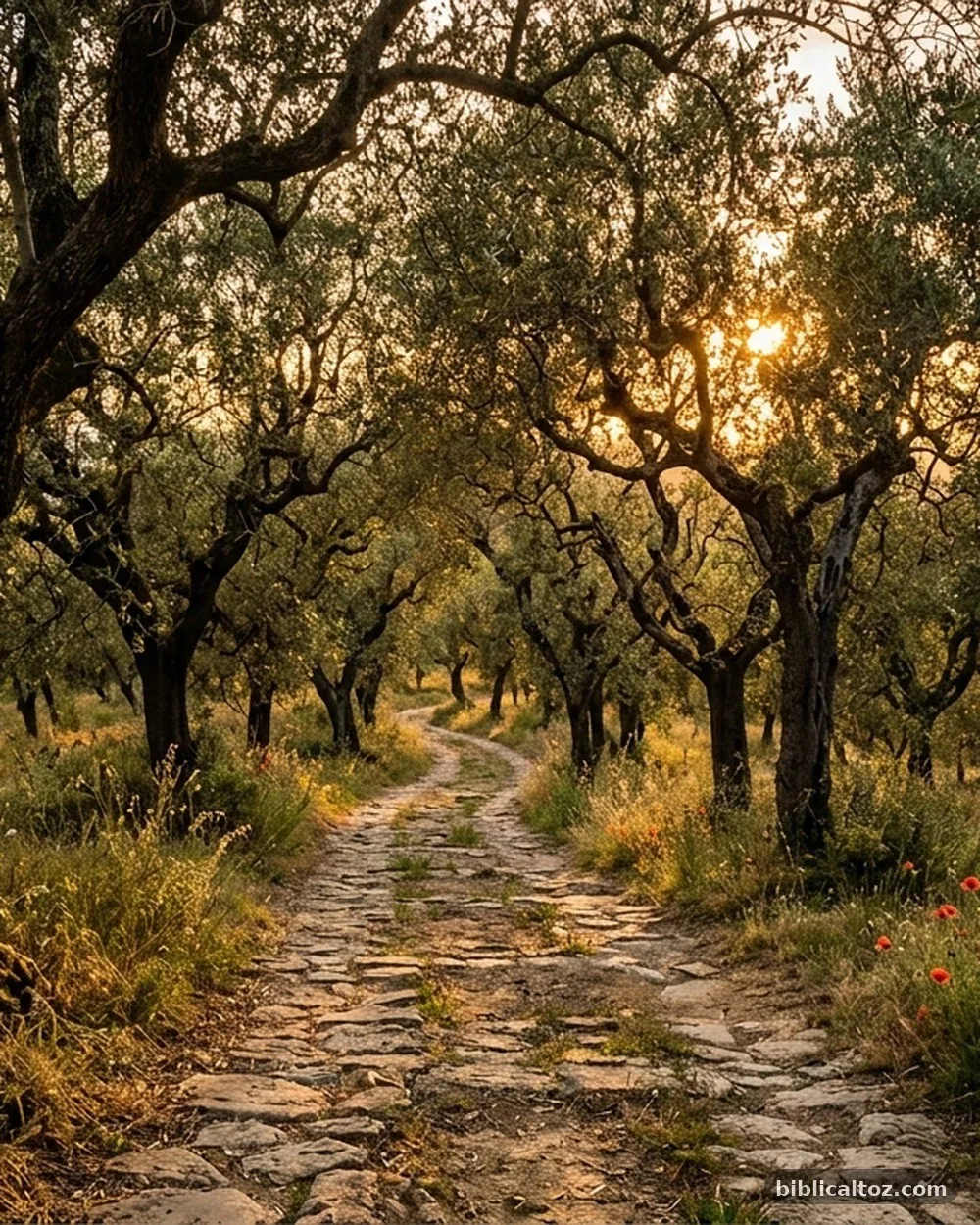
The Lord God planted a garden in Eden and placed the man He had formed there. It was filled with every tree that is pleasant to the sight and good for food, including the tree of life.
Meaning
This represents the original state of harmony, where human life was perfectly aligned with God’s design. It is a symbol of provision, life, and the absence of shame.
Why It Matters
It sets the standard for what was lost and what humanity longs to return to, highlighting that our relationship with God is meant to be one of closeness and active stewardship.
Garden Symbolism in the Bible in the New Testament
In the New Testament, the focus shifts toward the fulfillment of the patterns established in the beginning. While the term “garden” is not used as frequently, the imagery remains central to the narrative of Jesus.
| Location | Primary Theme | Significance |
|---|---|---|
| Gethsemane | Submission | Jesus reverses the failure of the first man by choosing God’s will over His own. |
| The Tomb | Resurrection | The site of the crucifixion and burial becomes the place where death is defeated. |
| New Jerusalem | Restoration | A return to the conditions of Eden, where the tree of life is accessible again. |
Major Biblical Meanings of Garden Symbolism in the Bible
The Place of Divine Communion
The garden is the setting where the Lord dwells with His people. It represents a sanctuary where the veil between the divine and the human is thin, allowing for direct communication.
The Site of Testing and Choice
Throughout Scripture, these spaces are where characters are challenged to trust God. Whether it is the first humans in Eden or Jesus in Gethsemane, the garden represents a turning point where a decision must be made regarding obedience to the Creator.
Important Bible Passages About Garden Symbolism in the Bible
The most essential passage is found in Genesis 2, which introduces the garden as a place of life. Later, the Gospel of John notes that Jesus was buried in a garden, which links His resurrection to the concept of new creation. Finally, Revelation 22 describes the river of life and the tree of life, signaling the final restoration of the paradise that was lost.
How Garden Symbolism in the Bible Is Used Symbolically in Scripture
Beyond literal locations, these spaces often symbolize the state of the human heart or the nation of Israel. When the prophets describe a “watered garden,” they are often speaking of a soul or a people group that is flourishing because they are connected to the source of life. Conversely, a neglected or scorched garden represents spiritual decay and the consequences of turning away from the Lord.
Does Garden Symbolism in the Bible Always Have the Same Meaning in the Bible?
No, the meaning is highly dependent on the historical and theological context. In Genesis, the focus is on creation and the gift of life. In the prophets, the imagery often emphasizes covenant faithfulness.
By the time we reach the Gospels, the focus is on the sacrificial work of Jesus. You must look at the surrounding verses to determine if the author is highlighting joy, judgment, or the promise of a future kingdom.
Garden Symbolism in the Bible and Christian Faith Today
For modern believers, these biblical themes encourage us to view our daily walk as a stewardship of the life God has given us. Just as the first humans were tasked with tending the earth, we are called to cultivate our relationship with the Lord. It serves as a reminder that our current struggles are not the end of the story, as we look forward to the promise of a new creation where we will once again walk in perfect harmony with our Creator.
Common Misunderstandings About Garden Symbolism in the Bible
One common misconception is the idea that the garden is purely a mystical or allegorical place with no historical reality. While the symbolism is rich, Scripture presents these as actual locations within the narrative of human history. Another error is to over-spiritualize the imagery, ignoring the very real human choices and historical events that took place in these settings.
Related Bible Verses
- Genesis 2:8: The planting of Eden.
- Song of Solomon 4:16: The garden as a place of intimacy.
- Isaiah 58:11: The promise of being like a watered garden.
- John 18:1: Jesus entering the garden with His disciples.
- John 19:41: The tomb located in a garden.
- Revelation 22:1-2: The final restoration of the tree of life.
FAQs
What does a garden symbolize spiritually?
Spiritually, it represents the presence of God, the fruitfulness of a life lived in obedience, and the hope of eternal restoration.
Where is the most famous garden mentioned in the Bible?
The most famous is the Garden of Eden, known as the birthplace of humanity and the site of the first human choice to turn away from God.
Why is the garden in Gethsemane significant?
It is significant because it represents the moment Jesus chose to fulfill the Father’s plan, effectively undoing the disobedience that began in the first garden.
Does the Bible mention a garden in heaven?
The Bible describes the New Jerusalem in Revelation 22, which contains the tree of life and the river of life, mirroring the conditions of the original paradise.
Conclusion
The recurring presence of these spaces throughout the Bible serves as a powerful reminder of God’s desire to dwell with His creation. From the initial planting in Genesis to the final restoration in Revelation, we see a consistent narrative of grace and redemption.
By paying attention to the specific context of each passage, you can better appreciate how these symbols point toward the work of Jesus and the hope of what is to come. As you continue to read the Scriptures, let these images encourage you to seek a deeper, more intimate walk with the Lord, trusting in His promise to restore all things.