Jerusalem Symbolism in the Bible: Meaning & Significance
Understanding Jerusalem symbolism in the Bible requires looking past the physical geography to the spiritual reality described in the text. This city appears throughout Scripture, evolving from a local stronghold into a profound image of God‘s presence, judgment, and eventual restoration.
By examining how biblical authors use the city as a focal point, you can gain a clearer perspective on how God interacts with His people across history. Exploring these layers of meaning helps clarify the narrative flow of the Bible, from the promises made to David to the vision of a new heaven and earth.
What Does Jerusalem Symbolism in the Bible Mean?
In the pages of Scripture, Jerusalem often functions as a multifaceted image rather than a single, static concept. Its primary associations include the dwelling place of God, the center of true worship, and a target for divine judgment when the people turn away from their covenant. The city acts as a mirror for the spiritual health of Israel, reflecting both the heights of devotion and the depths of rebellion.
Jerusalem Symbolism in the Bible in the Old Testament
The Old Testament provides the foundational context for the city’s role. It is not merely a capital; it is the throne of the Lord on earth.
Bible Reference
Psalm 48:1-2: “Great is the Lord, and greatly to be praised in the city of our God, in the mountain of his holiness. Beautiful for situation, the joy of the whole earth, is mount Zion, on the sides of the north, the city of the great King.”
Biblical Context
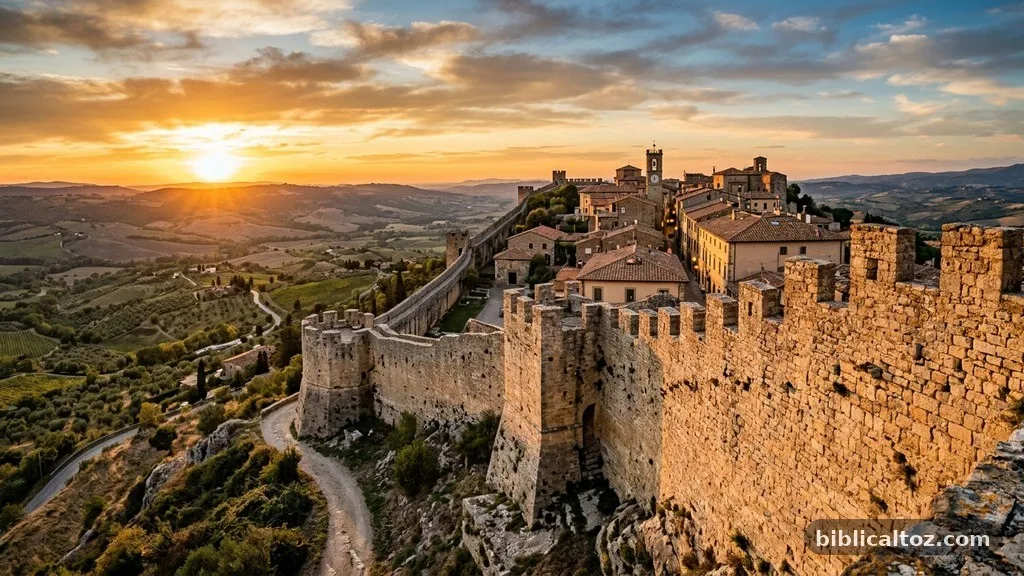
The Psalmist celebrates the city as the residence of God, emphasizing its unique status among the nations. It is the place where the temple stood, representing the point where heaven and earth intersect.
Meaning
Here, the city symbolizes security, divine favor, and the majesty of God’s rule. It is a refuge for the faithful and a sign of God’s protection over His chosen people.
Why It Matters
This imagery establishes the expectation that God is present among His people. It sets the standard for holiness and devotion, showing that the city’s value comes entirely from the presence of the Lord within its walls.
Jerusalem Symbolism in the Bible in the New Testament
The New Testament shifts the focus from a physical location to a spiritual reality. While the historical city remains, the writers of the New Testament often contrast the earthly city with the “Jerusalem above.”
- The physical city is associated with the old covenant and the rejection of the Messiah.
- The spiritual city represents the gathering of believers and the ultimate hope of the church.
- The vision in Revelation depicts a city that is not a destination for travel, but the dwelling place of God with humanity.
Major Biblical Meanings of Jerusalem Symbolism in the Bible
The Presence of God
The city is synonymous with the temple, the place where God chose to place His name. When the temple is mentioned, the city stands as a symbol of God’s accessibility to His people.
The Center of Judgment
Because the city hosted the presence of God, it was held to a higher standard. Many prophets used the city as a symbol of national failure when the people abandoned the law, signaling that judgment begins at the house of God.
The Hope of Restoration
In the prophetic books, the city is often the subject of restoration imagery. It represents the promise that God will eventually make all things right, gathering His people into a state of perfect peace.
Important Bible Passages About Jerusalem Symbolism in the Bible
| Passage | Context | Symbolic Focus |
|---|---|---|
| 2 Samuel 5:7 | David captures the stronghold of Zion. | The establishment of the kingdom. |
| Isaiah 2:3 | The word of the Lord going forth from Zion. | Universal instruction and peace. |
| Galatians 4:26 | Paul contrasts earthly and heavenly cities. | The freedom of the new covenant. |
| Revelation 21:2 | The new city descending from heaven. | The final state of redemption. |
How Jerusalem Symbolism in the Bible Is Used Symbolically in Scripture
The Bible uses the city to represent the collective state of the people. When the city is described as “faithful,” it refers to the obedience of the nation.
When it is called a “harlot” or “rebellious,” it reflects the spiritual adultery of the people. This symbolic language helps readers grasp complex theological truths through the lens of a familiar, tangible location.
Does Jerusalem Symbolism in the Bible Always Have the Same Meaning?
No, the meaning is highly dependent on the historical and prophetic context. During the time of the kings, it represents the heart of the kingdom. During the exile, it becomes a symbol of longing and regret.
By the time we reach the writings of the apostles, it transitions into a symbol of the spiritual reality of the Christian faith. Always check the surrounding verses to see if the author is speaking of the physical city, the historical nation, or the future hope of the church.
Jerusalem Symbolism in the Bible and Christian Faith Today
For modern believers, the symbol points toward the reality of belonging to God’s kingdom. We are reminded that our true citizenship is not in a physical location but in the spiritual reality of God’s reign. The biblical emphasis on the city encourages us to seek the presence of God in our daily lives, knowing that He dwells within His people through the Spirit.
Common Misunderstandings About Jerusalem Symbolism in the Bible
A frequent error is to treat every mention of the city as a literal prophecy about current geopolitical events. While the city has historical importance, the Bible often uses it to illustrate spiritual principles that apply to all generations. Another misunderstanding is the belief that the physical city is the only place where God can be worshipped, which Jesus specifically corrected when He spoke to the woman at the well.
Related Bible Verses
* Psalm 122:6: Pray for the peace of Jerusalem.
* Isaiah 62:1: For Zion’s sake I will not hold my peace.
* Hebrews 12:22: You have come to Mount Zion and to the city of the living God.
* Revelation 3:12: The name of the city of my God, the new Jerusalem.
FAQs
What does Jerusalem represent in the Bible?
It represents the dwelling place of God, the center of true worship, and the spiritual condition of God’s people throughout history.
Why is Jerusalem called the city of David?
It is called the city of David because he captured the fortress of Zion from the Jebusites and established it as his royal capital.
Does the New Testament still see Jerusalem as the center of worship?
No, the New Testament emphasizes that true worship is no longer tied to a physical location, as God now dwells within His people through the Holy Spirit.
What is the significance of the New Jerusalem in Revelation?
The New Jerusalem symbolizes the final, restored relationship between God and His people, where His presence is fully realized and permanent.
Conclusion
Jerusalem symbolism in the Bible offers a window into the unfolding story of redemption. From the city’s early days as a royal center to its final appearance as a heavenly reality, it consistently points us back to the presence of God. By keeping the biblical context in mind, you can avoid common misinterpretations and see how these ancient images speak to the heart of the Christian faith today.
As you continue to read the Scriptures, look for how these themes of holiness, judgment, and restoration appear in your own study. May your exploration of these texts draw you closer to the God who dwells with His people.