Green Symbolism in the Bible: Meaning and Context
When you open the pages of Scripture, you encounter a world rich with imagery and vibrant color. While gold, blue, and purple often capture our attention due to their association with royalty and the temple, the presence of green symbolism in the Bible offers a unique window into God‘s character.
By looking closely at how the natural world is described, you can better appreciate the cycles of life, growth, and divine provision. This study helps you move beyond personal interpretation to see how the authors of the Bible used the color of the earth to communicate profound spiritual truths about life and hope.
What Does Green Symbolism in the Bible Mean?
In the biblical narrative, the color green is primarily associated with the life-giving power of God. It represents vitality, flourishing, and the natural cycle of growth that follows rain or blessing.
Because grass and trees depend entirely on water—a common metaphor for the Holy Spirit or God’s word—greenery serves as a visual indicator of a land under divine favor. Conversely, when the Bible describes green things withering, it points to the fragility of human life and the certainty of judgment.
Green Symbolism in the Bible in the Old Testament
The Old Testament frequently uses the image of green vegetation to illustrate the state of a person’s heart or the condition of a nation before the Lord.
Bible Reference: Psalm 92:12-14
Biblical Context
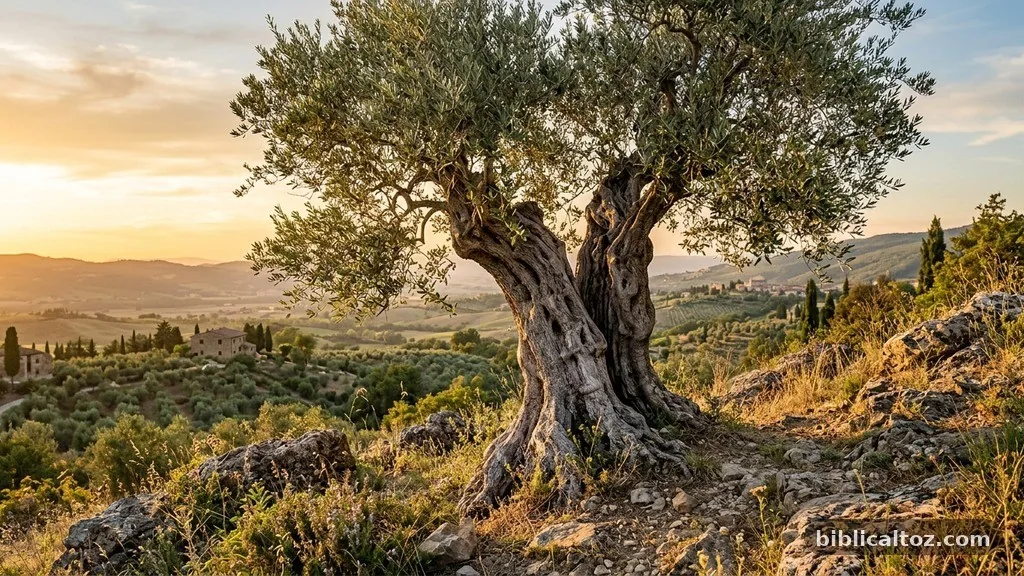
The Psalmist describes the righteous as those who are planted in the house of the Lord, flourishing even in old age.
Meaning
The imagery of being “full of sap” and “green” signifies that the righteous individual remains spiritually alive and productive because their roots are firmly planted in God’s presence.
Why It Matters
It reminds you that spiritual vitality is not a matter of human effort but a result of staying connected to the source of life.
Green Symbolism in the Bible in the New Testament
In the New Testament, the usage of green remains tied to the natural cycle of growth and decay. There is no specific “theology of the color green” developed as an independent doctrine; rather, the writers continue to use the imagery established in the Hebrew Scriptures to provide relatable illustrations for the hearers of the Gospel.
Major Biblical Meanings of Green Symbolism in the Bible
Life and Flourishing
When the Bible speaks of green pastures or lush trees, it highlights the abundance provided by God. In the wilderness, green grass is a sign of God’s care for His people, ensuring they have what they need to survive.
Human Frailty
The Bible often compares human existence to the grass of the field, which is green in the morning and cut down by evening. This serves as a sobering reminder that all earthly glory is temporary.
| Context | Symbolic Meaning | Primary Reference |
|---|---|---|
| Flourishing Tree | Righteousness and Growth | Psalm 1 |
| Green Grass | Fragility of Life | Isaiah 40:8 |
| Springtime | Divine Provision | Psalm 23 |
Important Bible Passages About Green Symbolism in the Bible
- Psalm 23:2: The Shepherd leads His people into green pastures, indicating total provision and rest.
- Revelation 9:4: The locusts are told not to harm the green grass, showing a specific limit placed on judgment by God.
- Jeremiah 17:8: The person who trusts in the Lord is like a tree whose leaf shall be green, remaining fruitful even during a drought.
How Green Symbolism in the Bible Is Used Symbolically in Scripture
The Bible uses green as a bridge between the physical and spiritual realms. When a prophet describes a green tree, he is often contrasting the healthy life of a believer with the dry, brittle state of the wicked. It is a visual shorthand for the presence of the Spirit, as water is required to keep the green color alive.
Does Green Symbolism in the Bible Always Have the Same Meaning in the Bible?
No, the meaning shifts based on the context. In a pastoral setting, green represents comfort and peace.
In a prophetic warning, it can represent the transient nature of earthly success. You must always ask whether the passage is using green to describe God’s provision or the temporary nature of humanity.
Green Symbolism in the Bible and Christian Faith Today
For the modern believer, this imagery encourages a focus on what is eternal. Just as a plant needs a constant water source to remain green, your life requires the living water of Jesus. When you feel “withered” by life’s challenges, the Scriptures invite you to return to the source of your strength so that you may flourish once again.
Common Misunderstandings About Green Symbolism in the Bible
People often try to assign fixed, mystical meanings to colors in the Bible. It is important to remember that the biblical authors were not using a “color code.”
Green does not always mean “new beginnings” or “prosperity” in a material sense. Always look at the surrounding verses rather than imposing a modern color theory onto the text.
Related Bible Verses
- Psalm 37:35
- Song of Solomon 1:16
- Mark 6:39
- James 1:11
FAQs
What does green grass represent in the Bible?
Green grass usually represents the temporary nature of human life or, conversely, the abundant provision of God when He leads His people to rest.
Is the color green associated with Jesus?
There is no specific verse that links Jesus to the color green. He is more commonly associated with light, white, and the imagery of the vine or the light of the world.
Where is green mentioned in the book of Revelation?
Revelation 9:4 mentions green grass specifically, noting that the locusts were commanded not to harm it, which emphasizes God’s sovereign control over judgment.
Does green always mean life in Scripture?
Not always. While it often symbolizes vitality, it is frequently used to show how quickly that life fades, highlighting the contrast between the eternal nature of God and the temporal nature of creation.
Conclusion
Understanding green symbolism in the Bible invites you to read the text with a heightened awareness of God’s hand in nature. By recognizing how the writers used the imagery of flourishing plants and fading grass, you gain a clearer picture of both the hope we have in Christ and the importance of remaining rooted in Him.
As you continue your study, let these visual metaphors remind you to seek the living water that keeps your faith vibrant. Take time this week to read the Psalms and notice how the natural world reflects the faithfulness of our Creator, then apply that perspective to your own walk of faith.