Meaning of Dust in the Bible: Symbolism & Scripture
The recurring presence of earth-derived particles in the sacred text serves as a profound reminder of our origins and our ultimate destination. When exploring the meaning of dust in the Bible, you quickly discover that it is not merely a physical substance but a potent symbol of human limitation, divine creation, and the fragility of life.
Understanding these passages requires looking closely at the biblical context, as the significance of this imagery shifts depending on whether it describes the act of creation, a posture of deep repentance, or the fleeting nature of our time on earth. This article provides a clear look at how the writers of Scripture used this common element to communicate deep spiritual truths.
What Does the Meaning of Dust in the Bible Mean in the Bible?
At its core, the biblical imagery surrounding fine earth particles generally falls into three primary categories: human mortality, humility before God, and the judgment of sin. Because we were formed from the ground in Genesis, the return to this state signifies the end of our earthly life.
Conversely, when people in Scripture sat in the dust or threw it upon their heads, they were expressing extreme grief, mourning, or a desire to be seen as nothing before the holiness of God. It is a symbol that grounds the reader in the reality of their dependence on their Creator.
Meaning of Dust in the Bible in the Old Testament
The Old Testament provides the foundational imagery that shapes our understanding of human existence.
Bible Reference
Genesis 3:19: “In the sweat of thy face shalt thou eat bread, till thou return unto the ground; for out of it wast thou taken: for dust thou art, and unto dust shalt thou return.”
Biblical Context
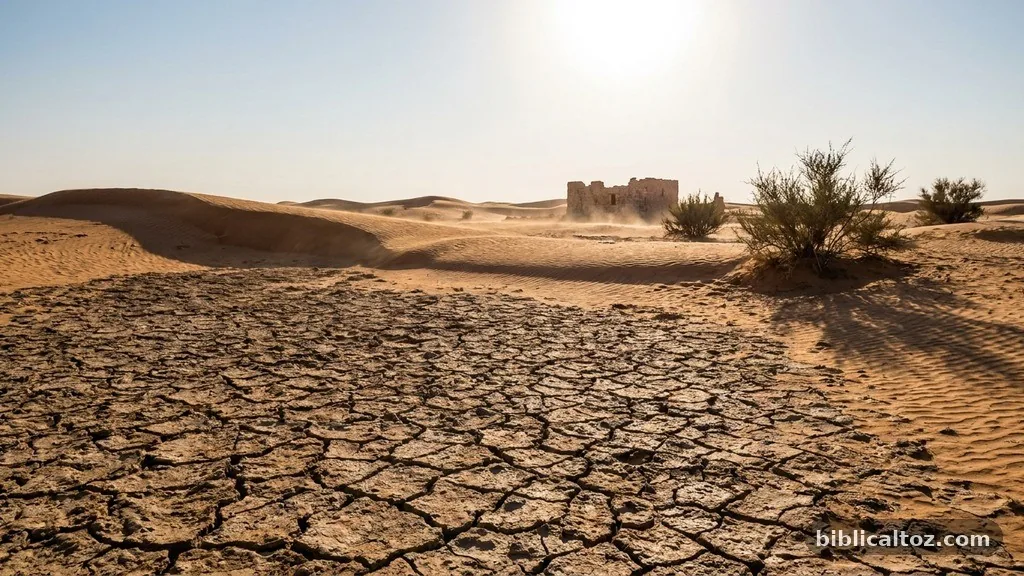
Following the fall of man in the Garden of Eden, God speaks these words to Adam as a consequence of his disobedience.
Meaning
This verse establishes the essential connection between human life and the earth. It highlights the temporary nature of our physical existence and the inevitable return to the soil from which we were fashioned.
Why It Matters
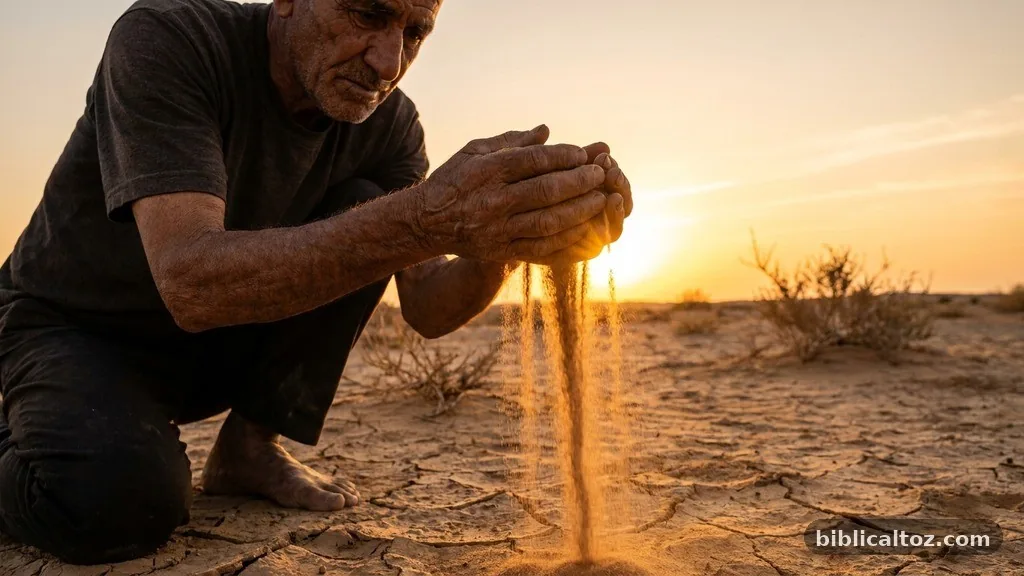
It reminds the reader that life is a gift from God. Recognizing our own limitations helps cultivate a sense of gratitude and reliance on the One who gives life.
Meaning of Dust in the Bible in the New Testament
The New Testament does not introduce a radically different meaning but rather utilizes the Old Testament foundation to illustrate themes of judgment and witness. For instance, Jesus instructs his disciples to shake the dust off their feet when a town refuses to welcome their message.
Here, the meaning shifts from personal mortality to a symbolic rejection of those who reject the gospel. It serves as a testimony against the inhabitants, signaling that the disciples have cleared themselves of responsibility for that city’s choice.
Major Biblical Meanings of Meaning of Dust in the Bible
Human Fragility
Scripture often uses the image of fine particles to describe how easily human life can be swept away. Because we are not permanent, our lives are likened to a passing cloud or a breath, emphasizing the need for God’s sustaining power.
Repentance and Mourning

In the ancient world, covering oneself with earth was an outward sign of internal brokenness. When someone realized their sin or faced a great tragedy, they would sit in the dirt to show they were casting aside their own pride and status.
Judgment and Defeat
The imagery is also used to describe the total defeat of enemies. Being licked up like the earth or ground down until one is like small particles represents total humiliation and the loss of power.
Important Bible Passages About Meaning of Dust in the Bible
| Passage | Context | Significance |
|---|---|---|
| Genesis 2:7 | Creation of Man | God forms life from the earth, showing our humble origin. |
| Job 42:6 | Job’s Repentance | Job repents in dust and ashes, showing total submission. |
| Matthew 10:14 | The Disciples’ Mission | Shaking off dust signifies a clean break from rejection. |
How Meaning of Dust in the Bible Is Used Symbolically in Scripture
Beyond the literal substance, the term is used figuratively to describe large numbers, such as the promise that Abraham’s descendants would be as numerous as the particles of the earth. It also describes a lack of value, as when the prophet Isaiah notes that the nations are but a drop in a bucket or like fine powder on the scales. These metaphors help the reader grasp the vast difference between the majesty of God and the smallness of human endeavors.
Does Meaning of Dust in the Bible Always Have the Same Meaning in the Bible?
No, the meaning is highly dependent on the speaker and the event. When God mentions it in Genesis, it is a statement of origin. When Job mentions it, it is a statement of humility.
When Jesus mentions it, it is an act of prophetic witness. You must always look at the surrounding verses to determine if the author is focusing on our mortality, our repentance, or a specific judgment.
Meaning of Dust in the Bible and Christian Faith Today
For modern believers, this imagery encourages a healthy perspective on life. It keeps us from becoming too attached to temporary earthly status or possessions.
When you recognize that your physical life is temporary, you are better equipped to invest in the eternal things that God values. It serves as a call to live with humility, acknowledging that every breath is provided by Him.
Common Misunderstandings About Meaning of Dust in the Bible
A common error is treating the term as inherently “evil” or “dirty.” In Scripture, the earth itself was created by God and called good; it is not a substance of shame.
Another mistake is reading mystical or occult meanings into the imagery. The Bible uses this symbol in straightforward, observable ways—as a sign of grief, a reminder of our source, or a mark of rejection—not as a magical element.
Related Bible Verses
- Psalm 103:14: For he knoweth our frame; he remembereth that we are dust.
- Ecclesiastes 12:7: Then shall the dust return to the earth as it was: and the spirit shall return unto God who gave it.
- Job 34:15: All flesh shall perish together, and man shall turn again unto dust.
- Matthew 10:14: And whosoever shall not receive you, nor hear your words, when ye depart out of that house or city, shake off the dust of your feet.
FAQs
What does the Bible mean when it says we are dust?
It means that humans were created from the earth and are physically mortal. It is a reminder that our existence is fragile and entirely dependent on the Creator.
Why did people put dust on their heads in the Bible?
It was a cultural expression of extreme grief, sorrow, or repentance. By covering themselves with earth, they were signaling that they were humbled and broken before God or in the face of a tragedy.
Does the Bible teach that we return to dust after death?
Yes, Scripture frequently references the physical body returning to the ground, while the spirit returns to God. This highlights the separation of the physical body and the eternal spirit.
What does shaking the dust off one’s feet signify?
In the New Testament, it was a symbolic act of separation. It meant that the messenger had fulfilled their duty to share the gospel and was leaving the responsibility for the rejection of that message entirely with the hearers.
Conclusion
The meaning of dust in the Bible is a powerful thread that runs from the first pages of Genesis to the final witness of the disciples. It serves as a recurring reminder that while we are made of simple, earthly materials, we are crafted by a divine hand. By grounding ourselves in this reality, we can walk with greater humility and a clearer focus on the eternal life promised through Christ.
As you continue your own study of the Word, let these passages remind you of your origin and your ultimate purpose in His kingdom. Engaging with these texts helps us see the world through the lens of God’s grace, keeping our hearts aligned with His truth.