The Seven Last Words of Jesus: Meaning, Context & Bible Verses
Reflecting on the final moments of the crucifixion of Jesus offers a profound window into the heart of the Christian faith. These brief yet powerful statements, often referred to as the seven last words of Jesus, capture the essence of his mission, his humanity, and his divine purpose.
By examining what he said while hanging on the cross, believers gain a deeper appreciation for the depth of his sacrifice. Whether you are seeking spiritual comfort or a clearer understanding of the biblical narrative, these seven sayings of Jesus on the cross provide a timeless anchor for meditation and prayer throughout the holy week and beyond.
What Are the Seven Last Words of Jesus?
It is a common misconception that these seven phrases are found in a single Gospel account. Instead, the seven last words of Jesus are a collection of statements compiled from the four canonical Gospels: Matthew, Mark, Luke, and John. Each Gospel writer highlights different aspects of the crucifixion, and together they provide a complete picture of his final hours.
| Saying | Gospel Reference | Main Theme |
|---|---|---|
| Father, forgive them | Luke 23:34 | Mercy |
| Today you will be with me in Paradise | Luke 23:43 | Salvation |
| Woman, behold your son | John 19:26-27 | Care |
| My God, my God, why have you forsaken me? | Matthew 27:46; Mark 15:34 | Suffering |
| I thirst | John 19:28 | Humanity |
| It is finished | John 19:30 | Completion |
| Father, into your hands I commit my spirit | Luke 23:46 | Surrender |
The Seven Sayings
Father, Forgive Them
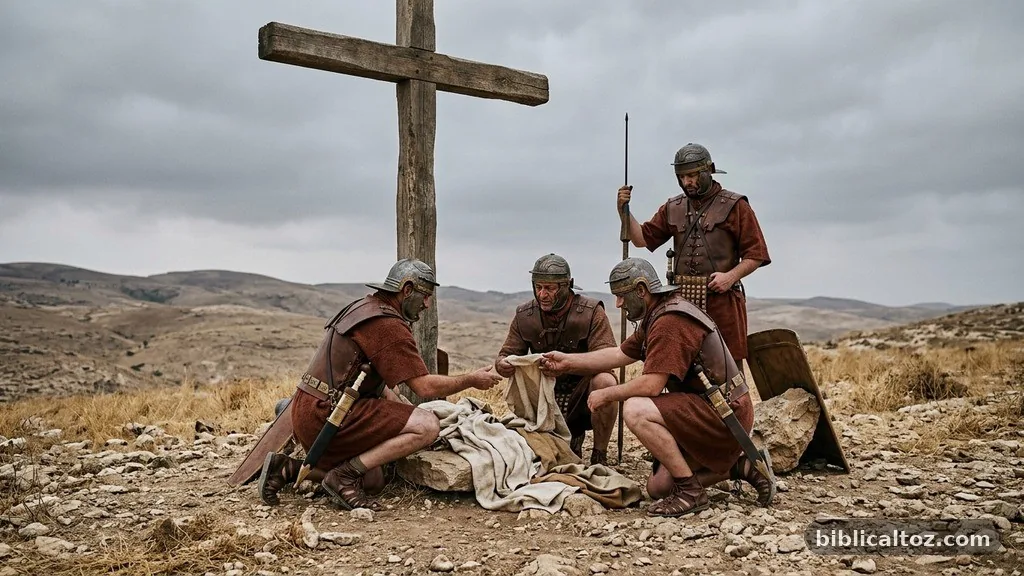
Found in Luke 23:34, this prayer was spoken as the soldiers divided his garments. It reveals the radical nature of divine love, as Jesus interceded for his executioners even while in agony. The lesson here is the call for believers to extend grace to those who cause them harm.
Today You Will Be With Me in Paradise
Also in Luke 23:43, this response to the repentant thief demonstrates that salvation is available until the final breath. It highlights the immediate nature of God’s mercy. We learn that no one is beyond the reach of divine love.
Woman, Behold Your Son
In John 19:26-27, Jesus ensures his mother Mary is cared for by the disciple John. Even in his own suffering, he modeled familial responsibility and compassion. It reminds us to honor our commitments to others.
My God, My God, Why Have You Forsaken Me?
Recorded in Matthew 27:46 and Mark 15:34, this cry echoes Psalm 22. It represents the weight of human sin that Jesus bore in that moment. It validates the human experience of feeling abandoned during times of deep trial.
I Thirst
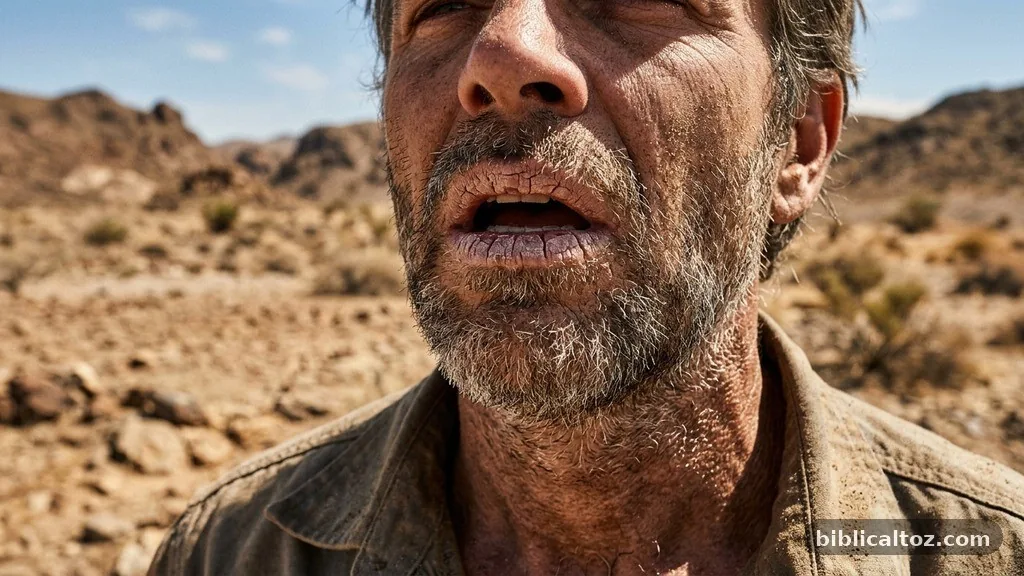
Found in John 19:28, this simple statement highlights the physical reality of his ordeal. It fulfills Old Testament prophecy regarding the Messiah’s suffering. It serves as a reminder that Jesus truly shared in the human condition.
It Is Finished
In John 19:30, this pronouncement marks the completion of the work of redemption. The Greek term used implies a debt has been paid in full. It is the foundation of the Christian assurance of salvation.
Father, Into Your Hands I Commit My Spirit
Luke 23:46 records this final statement, which draws from the language of Psalm 31:5. It shows Jesus choosing to place his life entirely in the care of his Father. It provides a model for how Christians can face their own mortality with trust.
Why Are the Seven Last Words Important?
These sayings serve as a concentrated summary of the Gospel message. They weave together themes of:
- Forgiveness for the broken.
- The promise of eternal hope.
- The importance of caring for our community.
- The reality of suffering and the feeling of isolation.
- The fulfillment of divine promises.
- The finality of the sacrifice made for humanity.
- The ultimate act of trust in God’s plan.
How Do the Sayings Connect With the Old Testament?
The words spoken on the cross are deeply rooted in the Hebrew scriptures. Jesus did not speak in a vacuum; he used the language of the Psalms to express his experience.
His cry of forsakenness mirrors the lament of David in Psalm 22, while his final breath echoes the petition for safety found in Psalm 31. These connections show that his life and death were the climax of a story that began centuries earlier.
What Can Christians Learn From Jesus’ Words on the Cross?
Reflecting on these words invites us to align our own lives with his. We learn that forgiveness is a choice, not a feeling.
We see that even in our darkest moments, we can turn to the Father in prayer. These statements provide a blueprint for living with integrity, compassion, and unwavering faith, even when circumstances are at their worst.
Common Misunderstandings
A frequent error is the belief that every Gospel contains every word. It is essential to recognize that each author chose specific details to share, creating a harmony rather than a contradiction. Another misunderstanding is that his cry of abandonment indicated a loss of faith; rather, it was a profound expression of his solidarity with the human experience of suffering.
FAQs
Did Jesus say all seven words in one language?
The Gospels were written in Greek, but Jesus likely spoke Aramaic, the common language of his time. The text we read is the inspired record of what he said.
Why did Jesus ask why he was forsaken?
He was expressing the immense weight of the sin he carried. It was a genuine human cry that identifies with everyone who has ever felt alone in their pain.
Are these words the only things Jesus said on the cross?
The Bible does not record every syllable he spoke, but these seven represent the significant declarations preserved by the Holy Spirit for the church.
How can I use these words in my daily life?
Many people read one of these sayings each day during the week leading up to Easter, using them as a focus for silent meditation or prayer.
Conclusion
The seven last words of Jesus serve as a bridge between his earthly ministry and the power of his resurrection. By meditating on these final statements, we gain a clearer view of the character of God and the depth of the love demonstrated at the crucifixion of Jesus. These words continue to offer strength, forgiveness, and hope to those who encounter them today.
As you move forward, consider keeping these sayings in your heart, using them as a source of comfort when life feels overwhelming. Whether you are new to the faith or have walked this path for years, returning to these final moments will always provide fresh insight into the grace of the Savior.