Rainbow Symbolism in the Bible: Origins and Significance
The appearance of a rainbow in the sky often evokes a sense of wonder, but its presence carries a profound historical and theological weight within the scriptures. When examining the rainbow symbolism in the Bible, one must look back to the narrative of Noah and the aftermath of the great flood. This atmospheric phenomenon serves as a central emblem of divine communication, marking a pivotal transition in the relationship between the Creator and humanity.
The Origin of the Covenant in Genesis
The first mention of this vibrant arc occurs in the book of Genesis. Following the cataclysmic flood that cleansed the earth, Noah and his family emerged from the ark to a world renewed. It was here that God established a formal agreement, or covenant, with every living creature that had survived the waters.
The Bow as a Divine Sign
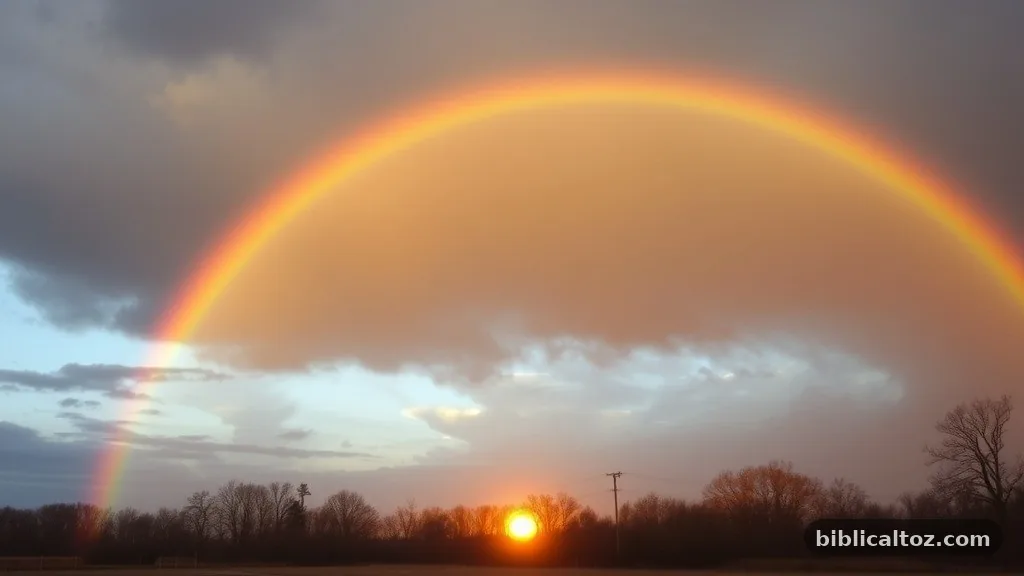
In the biblical text, the rainbow is explicitly referred to as a “bow.” This imagery is significant because it mimics the shape of a weapon of war, yet it is directed away from the earth and toward the heavens. By setting this bow in the clouds, the Creator symbolically laid down the weapons of judgment, signifying that the destructive flood would never be repeated. It serves as a perpetual sign of peace and a reminder of the mercy extended to those who dwell on the earth.
Theological Significance and Covenant Grace
At its core, the rainbow represents a transition from judgment to grace. It functions as a visual manifestation of a promise that relies entirely on the faithfulness of the One who made it. Rather than being a sign of human achievement, it is a testament to the character of the Creator, who chooses to preserve life despite the shortcomings of mankind.
A Permanent Reminder
The scripture notes that whenever the clouds gather, the bow will appear, and the Creator will “see” it to remember the everlasting covenant. This anthropomorphic language highlights the permanence of the promise. For believers, it serves as an assurance that even during life’s most turbulent storms, there is a limit to destruction and an ongoing opportunity for restoration and new beginnings.
Rainbow Imagery in the Book of Revelation
The symbolism of the rainbow extends beyond the early chapters of Genesis, appearing again in the apocalyptic visions found in the book of Revelation. In these passages, the imagery is elevated to a celestial scale, surrounding the throne of the Almighty.
Connections to Christ and Glory
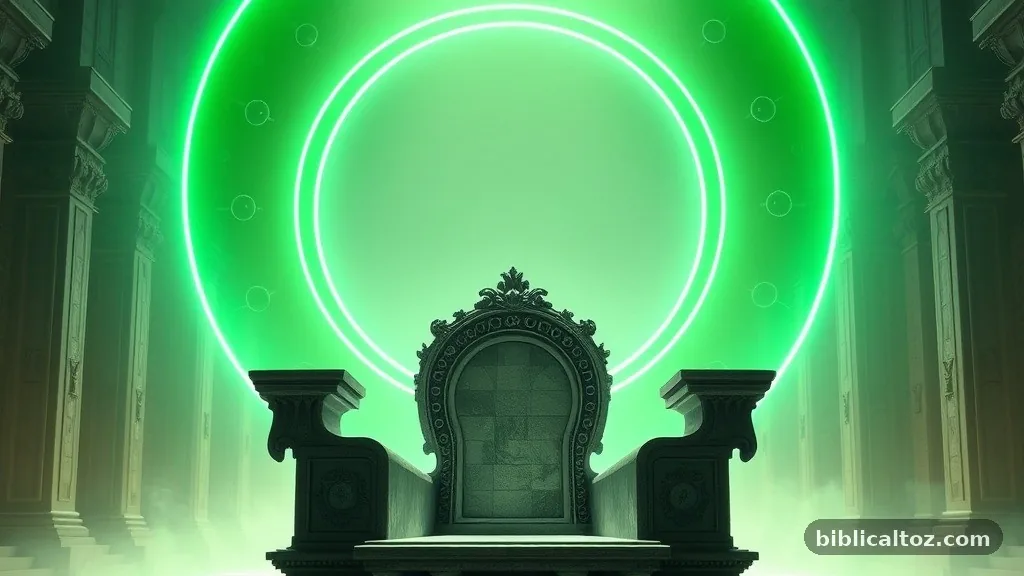
In Revelation, the rainbow is described as having the appearance of an emerald, encircling the throne. This shift in context suggests that the covenant established with Noah is not merely a historical relic but an eternal reality. It frames the presence of the divine as one characterized by both holiness and mercy. By associating the bow with the throne, the Bible links the historical promise of protection with the ultimate rule of Christ, reinforcing the idea that grace remains the foundation of the divine kingdom.
Reflecting on the Meaning Today
While modern culture often interprets rainbows through various lenses, the biblical perspective remains rooted in the concept of a divine promise. It is a symbol that bridges the gap between the heavens and the earth, reminding observers that they are part of a larger, intentional narrative.
Finding Hope in the Clouds
For many, the sight of a rainbow remains a powerful call to reflection. It invites individuals to consider their place within the family of humanity and the enduring nature of the promise made to Noah. Whether viewed during a time of personal struggle or as a simple observation of nature, the rainbow stands as a timeless marker of hope, signaling that the storms of life do not have the final word.