Altar Symbolism in the Bible: History and Significance
Altars serve as foundational markers throughout the biblical narrative, representing the intersection between humanity and the divine. From the earliest accounts in Genesis to the architectural complexity of the later temple, these structures functioned as physical focal points for encounter, sacrifice, and remembrance. Understanding the symbolism behind these sites requires looking at how they shaped the relationship between the people and the Lord.
The Origins and First Altars
The biblical record introduces the concept of the altar early in the book of Genesis. Noah is often credited with building the first recorded altar following the flood, as an act of thanksgiving and dedication to God. Shortly thereafter, the patriarch Abraham became known for his habit of constructing altars wherever he went.
For Abraham, these sites were not merely piles of stone; they were tangible expressions of his devotion. As he traveled, each built altar marked a place where he met with the divine, effectively staking a claim of worship in a new land. This established a precedent where an altar served as a permanent witness to a temporary experience.
Types and Purpose of Altars
In the context of the Old Testament, altars generally functioned in three distinct ways: as memorials, as sites of covenant, and as places for atonement. While many modern interpretations focus on the “power” of an altar, the biblical text emphasizes them as functional tools for obedience and ritual.
The Altar of Burnt Offering
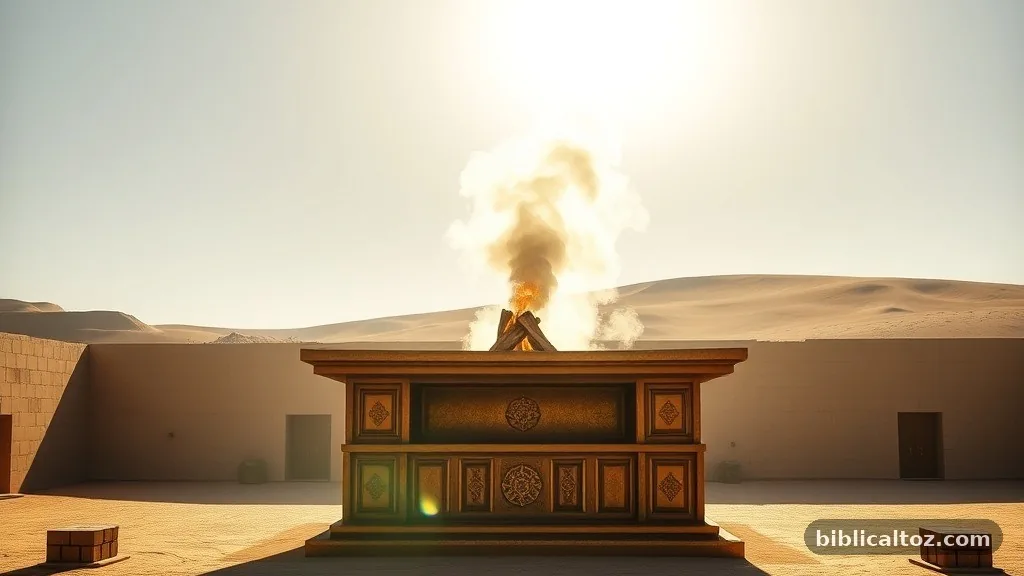
The most prominent structure in the tabernacle and later the temple was the altar of burnt offering. According to the instructions provided in Exodus, this was a specific, physical object designed for animal sacrifice. Its size and materials were strictly dictated to ensure it remained a place where atonement could be made for the sins of the nation.
The Altar of Incense
Distinct from the place of sacrifice, the altar of incense was placed inside the holy place. It symbolized the prayers of the people rising toward heaven. While the burnt offering dealt with sin, this altar represented the ongoing dialogue and communion between the people and God.
Symbolism and Spiritual Meaning
At its core, an altar represents a place of surrender. When a person constructed an altar in ancient times, they were essentially saying that their own plans were being set aside in favor of divine direction. It was a physical manifestation of a spiritual reality—a spot where a human life met the presence of the Creator.
Memorials of Remembrance

Many altars were built as physical reminders of a specific event. When God met a person in a significant way, that individual would often leave a stone structure behind. This served as a testimony to future generations, ensuring that the history of their interaction with the Lord would not be forgotten as time passed.
The Shift from Physical to Internal
As the biblical narrative progresses, the focus shifts from the necessity of stone structures to the posture of the heart. By the time of the New Testament, the physical altar in the temple is superseded by the life of the believer. The sacrifice is no longer an animal on a stone slab, but the offering of one’s own life as a living sacrifice. This evolution highlights that while the physical altar was necessary for a specific time, the spiritual principle of dedication remains constant.
Common Misconceptions
In contemporary discussions, there is often an emphasis on the “speaking power” of an altar, suggesting that the site itself holds supernatural authority. However, the biblical perspective consistently places the power in the hands of the Lord, not the structure itself. The altar was never intended to be an idol or a source of magic; it was a tool for focus.
Whether it was a family gathering at a household site or the national rituals at the temple, the purpose was always to redirect attention toward God. When the focus shifted from the Creator to the altar itself, the prophets often warned against it. Ultimately, the significance of these historical sites lies in the obedience of the individual who built them and the faithfulness of the God who met them there.