Horn Symbolism in the Bible: Power, Sovereignty, and Authority
In the biblical narrative, the horn serves as one of the most consistent and potent metaphors for strength, authority, and sovereignty. Far from being a mere biological feature of livestock, the horn was understood by ancient readers as an extension of an individual’s or a nation’s influence. When the writers of the Bible employed this imagery, they were tapping into a cultural understanding where the vitality of a creature was physically manifested in its ability to defend itself or assert dominance.
The Horn as a Symbol of Strength and Divine Power
Throughout the Old Testament, the horn is frequently used to describe the inherent power of a king or the protective nature of God. When a psalmist describes a leader’s horn being “exalted,” they are declaring that his power has been increased or vindicated. This symbolism is deeply rooted in the physical reality of horned animals, whose primary means of offense and defense are their horns.
The Bible often attributes this strength directly to the Creator. In various translations, including the NIV and the NASB, God is frequently referred to as the “horn of my salvation.” This metaphor suggests that just as an animal relies on its horns for survival, the believer relies on the divine strength of God for deliverance from enemies and difficult times.
Authority and Sovereignty in Prophetic Literature
The appearance of horns in prophetic visions, particularly in the books of Daniel and Revelation, shifts from individual strength to the representation of kingdoms and political authority. In these apocalyptic texts, the presence of multiple horns often signifies a series of empires, rulers, or shifting political alliances.
Deciphering the Meaning of Ten Horns
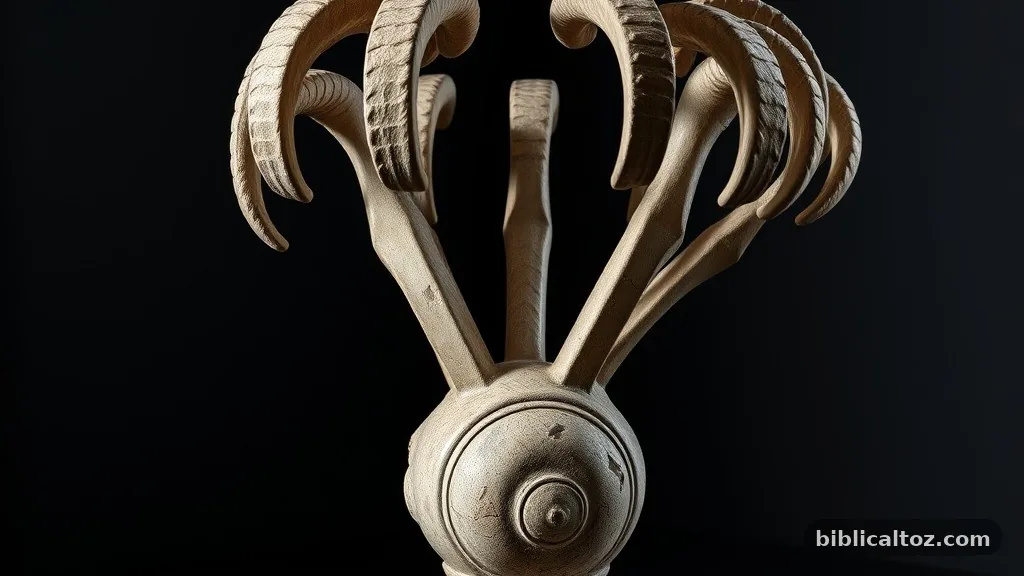
In the book of Daniel, and subsequently in Revelation, the vision of a beast with ten horns has generated centuries of theological inquiry. Most scholars interpret these horns as representing a succession of kings or a final coalition of powers. The “ten” often symbolizes a complete or totality of earthly power, suggesting that while these kingdoms may possess significant influence, they remain subject to the ultimate authority of the divine.
The Significance of Seven Horns
In the New Testament, specifically in the book of Revelation, the Lamb of God is described as having seven horns. While earthly horns represent limited human power, the number seven signifies perfection and completeness. This imagery portrays the Lamb—representing Christ—as possessing absolute, divine authority and omnipotence, far surpassing any earthly kingdom or ruler.
The Shofar and the Call to Worship
Beyond metaphorical usage, the physical horn, known as the shofar, plays a critical role in the religious life of Israel. Crafted from a ram’s horn, the shofar was used to announce the arrival of holy days, signal the start of battle, or call the community to assembly.
The Shofar in Ritual and Praise
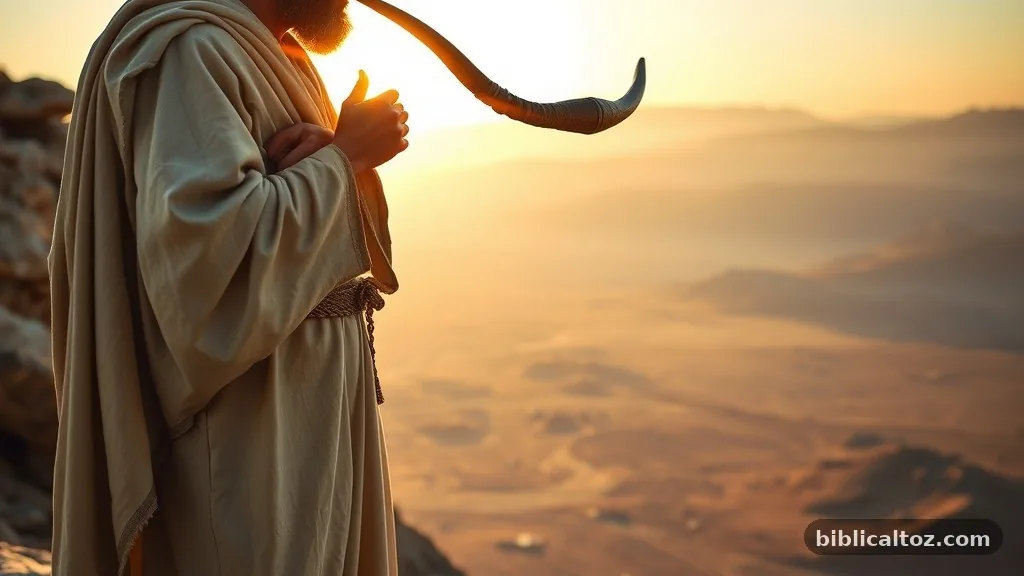
The sound of the shofar was intended to pierce the air and capture the attention of the people. It served as a bridge between the physical and the spiritual, marking moments of repentance, victory, and praise. Blowing the horn was an act of obedience, often initiated by priests or leaders, signifying that the family of God was aligning itself with divine instructions.
Historical Context and Legacy
The tradition of the shofar dates back to the time of Moses, when it was used to signal the presence of God at Mount Sinai. Whether it was used to herald the walls of Jericho falling or to announce the Jubilee, the shofar remained an essential instrument of communication. It represents a history of faith where the act of blowing the horn was a public declaration of trust in the promises of God, a practice that continues to resonate in various worship traditions today.
Interpreting Horns in Historical and Cultural Contexts
To fully grasp what these symbols mean, one must look at the cultural lens of the ancient Near East. In those times, a ruler might wear a crown featuring horn-like protrusions to symbolize his status as a powerful defender of his people. This cultural habit explains why the biblical writers used the term so naturally; it was a visual language their audience understood immediately.
When reading the KJV, NKJV, or NLT, one might notice that the imagery of the horn is rarely treated as abstract. It is grounded in the reality of life in an agrarian society.
By maintaining this connection to the natural world, the Bible ensures that its message about divine sovereignty remains accessible. Whether referencing the strength of a kingdom or the protection offered by the Almighty, the horn serves as a constant reminder of where true power resides.