Darkness Symbolism in the Bible: Meanings and Significance
Darkness symbolism in the Bible functions as a multifaceted literary and theological device, shifting from literal descriptions of the physical environment to profound metaphors for the human condition. While often associated with the absence of light, the scriptures use this concept to illustrate themes of judgment, ignorance, and the mystery of the divine presence.
The Origin of Darkness in Creation
The narrative of creation provides the first encounter with darkness in the biblical text. In the opening chapter of Genesis, the earth is described as formless, void, and covered in deep water, with darkness resting over the surface of the deep.
Separation and Order
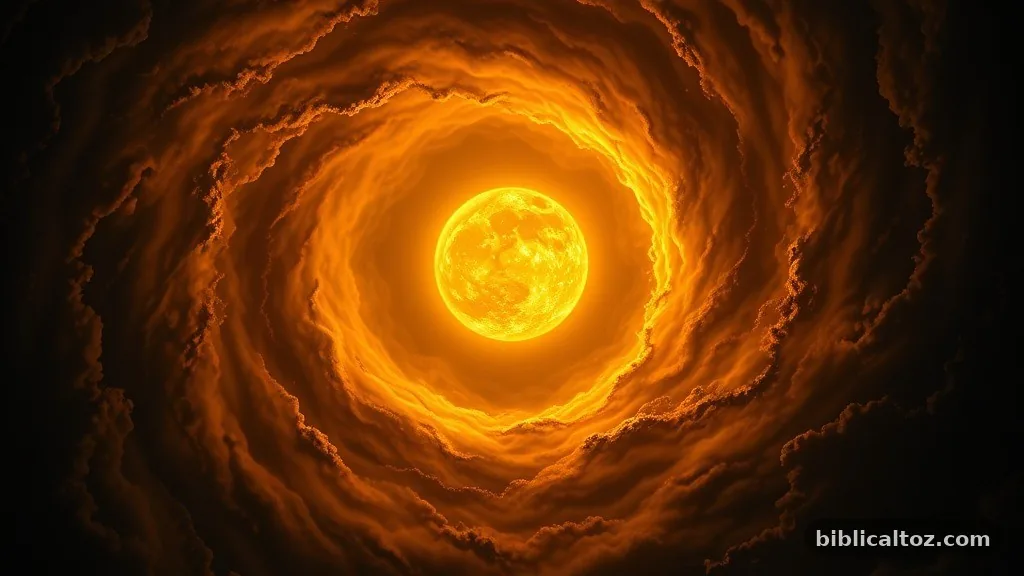
Before the introduction of light, darkness represented a state of chaos or unformed potential. When God commands light into existence, He creates a distinct boundary between the two, establishing the rhythm of day and night. This initial act sets a precedent: darkness is not necessarily portrayed as an inherent evil in its physical form, but rather as a realm that requires the light of God to bring order and purpose.
Darkness as a Sign of Divine Judgment
Throughout both the Old and New Testaments, darkness frequently serves as a sign of God’s displeasure or impending judgment. This imagery is particularly prominent in the account of the plagues in Egypt, where a palpable, thick darkness descended upon the land, representing the withdrawal of divine favor and the confusion of those who opposed the will of God.
The Day of the Lord
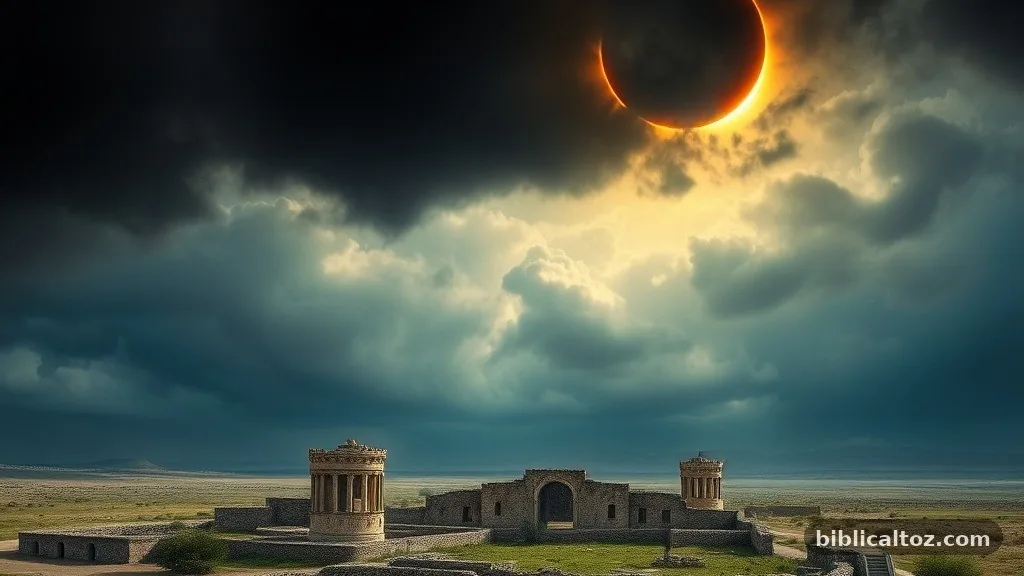
The prophets often spoke of the “Day of the Lord” as a time of gloom and shadow. This metaphor suggests that when God intervenes in history to correct human pride or idolatry, the familiar comforts of the world are stripped away. It serves as a sobering reminder of the consequences of turning away from the light of faith, emphasizing that spiritual blindness often precedes physical or national calamity.
Spiritual Darkness and the Human Condition
Beyond physical events, the Bible uses darkness to describe the internal state of the human soul. This spiritual condition is characterized by a lack of understanding or a deliberate rejection of moral truth. In the Gospel of John, the author contrasts those who walk in the light with those who prefer the darkness, suggesting that the latter choose to hide their actions to avoid the scrutiny of God.
Signs of Spiritual Obscurity

* A loss of moral clarity: The inability to distinguish between good and evil, often leading to ethical confusion. * Isolation from the community of faith: A tendency to withdraw from worship and the encouragement of other believers. * Persistent cynicism: A heart that struggles to offer praise or find hope in the midst of life’s challenges.
The Transition from Darkness to Light
The central message of the New Testament is the overcoming of darkness through the presence of Christ. Often described as the “Light of the World,” Jesus is presented as the definitive answer to the shadows that cloud human existence. The transition from a life of ignorance to one of enlightenment is a core theme in the epistles, where believers are encouraged to cast off the works of darkness and live as children of the light.
Practical Application for Daily Life
For the modern reader, these biblical passages often serve as a devotional guide for navigating difficult seasons. When life feels overwhelming, the scriptures remind the faithful that even in the deepest shadow, God remains present. Faith is not the absence of darkness, but the confidence that the light of God is sufficient to lead the way through it.
Whether one is reading from the ESV, NKJV, or NASB, the consistent theme remains: darkness is a temporary state that must eventually yield to the sovereign authority of the Creator. By focusing on the promise of restoration, believers can maintain their perspective, knowing that the “days” of struggle are limited by the overarching plan of a God who is Himself light.