Bread Symbolism in the Bible
Bread serves as one of the most consistent and vital motifs throughout the scriptures, functioning as both a literal staple of ancient life and a profound theological metaphor. In the ancient Near East, where grain production was the foundation of survival, the presence of food signified divine favor, while its absence represented judgment or famine. By examining bread symbolism in the Bible, one gains a clearer perspective on how physical sustenance was transformed into a powerful vessel for spiritual truth.
The Cultural and Historical Context of Bread
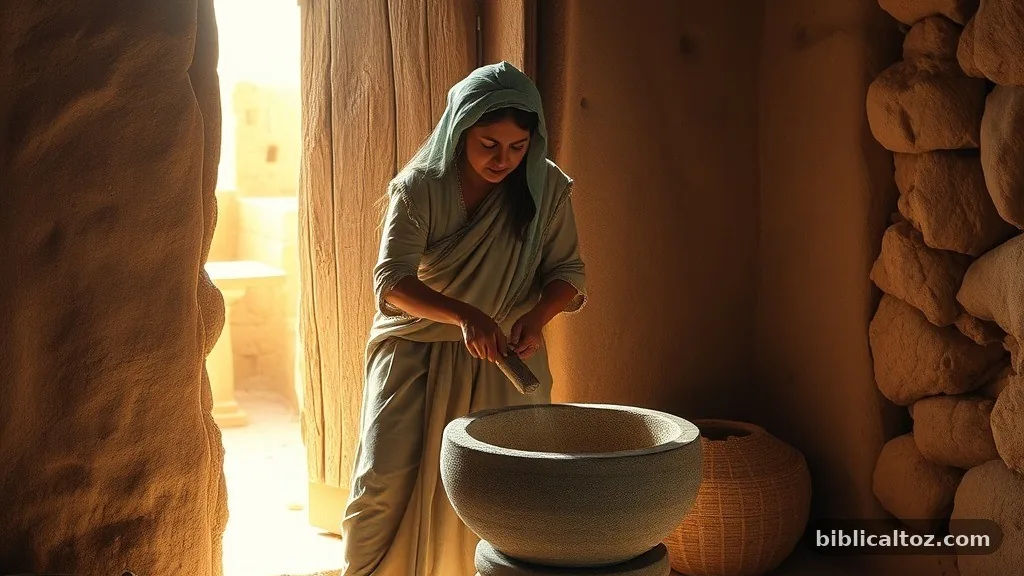
In the agrarian society of the ancient Israelites, bread was not merely a side dish; it was the primary source of nutrition. Because the process of planting, harvesting, grinding grain, and baking required significant labor, bread was deeply connected to the rhythm of daily existence. The Hebrew word for bread, lechem, carries a weight that transcends simple sustenance, often representing the essential provisions necessary for human life.
Because it was central to the diet of the people, bread became the natural choice for symbolic language. To “break bread” with someone was to enter into a covenant of friendship and peace, a practice that established a social bond that was not to be broken. This cultural reality laid the groundwork for the more complex spiritual meanings that appear later in the narrative of the Israelites.
Manna and Divine Provision
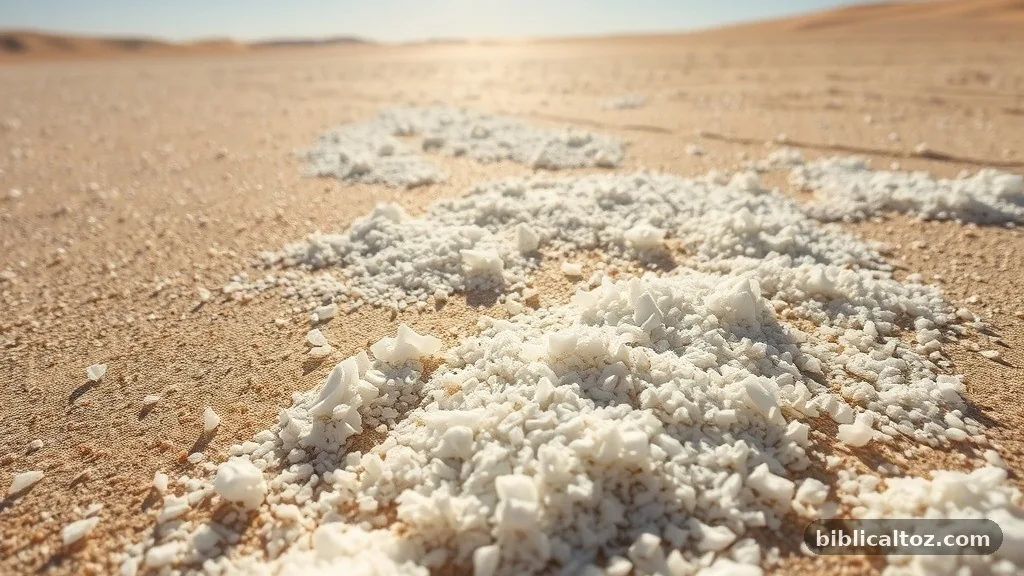
The journey of the Israelites through the wilderness provides the most iconic example of bread as a direct gift from God. When the people faced starvation in the desert, they were sustained by manna, often referred to as “bread from heaven.” This miraculous food was a daily reminder that their survival depended entirely on divine intervention rather than their own agricultural efforts.
This period in the wilderness established a pattern of reliance. The manna had to be collected daily, reinforcing the idea that the people needed to trust in God for their immediate needs. It served as a physical symbol of the relationship between the Creator and the community, a theme that would eventually influence the teachings of Jesus centuries later.
Unleavened Bread and the Passover
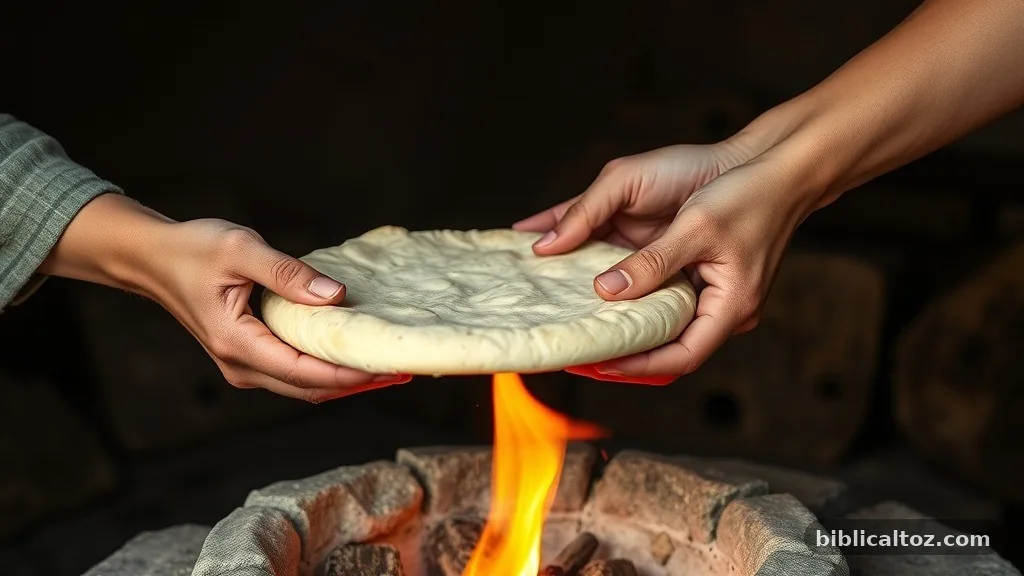
During the Exodus, the significance of bread took on a historical and ritualistic dimension. As the Israelites prepared to flee Egypt, they were instructed to bake bread without leaven because they had to leave in haste. This event is commemorated during the Passover, where the consumption of unleavened bread serves as a memorial of their liberation from slavery.
In the context of the law, specifically in Leviticus, the avoidance of leaven during certain offerings symbolized purity and the exclusion of corruption. Because leaven was often viewed as a fermenting agent that could represent sin or decay, the use of unleavened bread emphasized the need for a “clean” or consecrated life before the divine.
Jesus as the Bread of Life
In the New Testament, the symbolism of bread reaches its theological zenith through the ministry of Jesus. When he declares, “I am the bread of life,” he moves the conversation from physical food to spiritual identity. By identifying himself with the essential nourishment of the people, he suggests that he is the only source that can satisfy the deepest hunger of the human soul.
The Feeding of the Multitude
The miraculous feeding of the five thousand serves as a bridge between the physical and the spiritual. By taking the bread, blessing it, and distributing it, Jesus mirrored the actions of God in the wilderness. This act demonstrated that he was the fulfillment of the manna, providing for the physical needs of the people while pointing toward an eternal truth.
The Last Supper and the Eucharist
At the final meal before his death, Jesus used bread to establish a new covenant. By breaking the loaf and identifying it as his own body, he transformed a common food into a medium of grace. This act remains central to Christian worship, where the bread is consumed as a symbol of unity, sacrifice, and the ongoing presence of the divine within the lives of believers.
Summary of Spiritual Significance
Ultimately, bread in the scriptures functions as a bridge between the material world and the divine realm. Whether it is the manna that sustained the Israelites on their way to the promised land or the bread used by Jesus to illustrate his identity, the symbol consistently points to dependence, provision, and community. By studying these narratives, one can see how a basic element of food became a timeless language for expressing humanity’s relationship with the infinite.