The Rich Significance of Oil Symbolism in the Bible
Oil symbolism in the Bible remains one of the most consistent metaphors throughout scripture, serving as a physical representation of spiritual realities. From the ancient groves of the Near East to the modern understanding of faith, olive oil has functioned as far more than a simple household commodity. It serves as a bridge between the physical needs of daily life and the deeper, unseen work of the divine.
The Historical and Practical Use of Olive Oil
In ancient times, olive oil was a versatile necessity for survival. It was used for cooking, fuel for lamps, medicinal treatments for wounds, and as a base for perfumes. Because it was so essential to the quality of life, its presence in the text often signals provision, prosperity, and the care of the Lord for His people.
A Staple of Daily Life
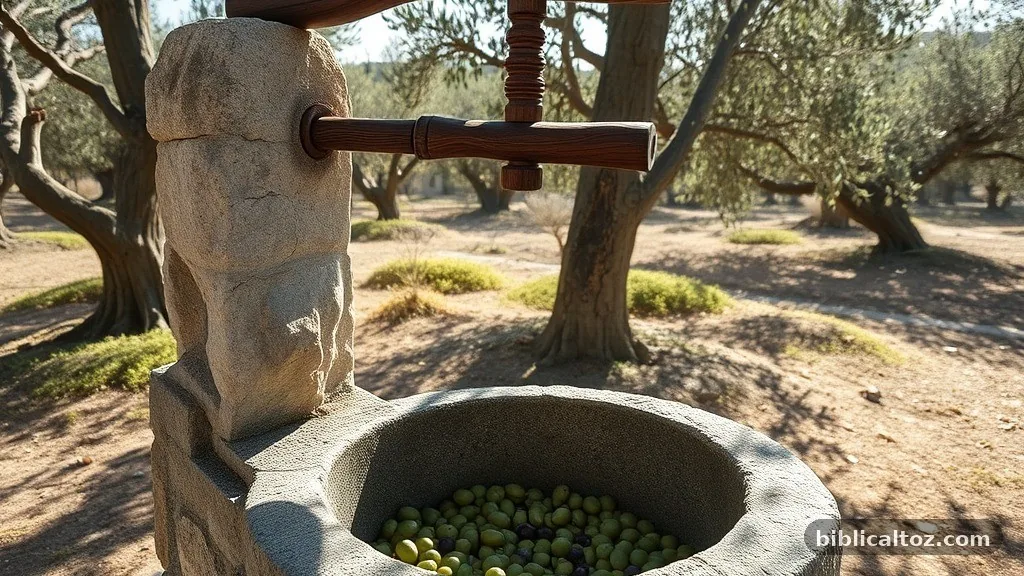
The production of olive oil required significant labor, involving the harvesting of fruits and the pressing of olives. This process of crushing the fruit to release its essence became a powerful metaphor for the trials and refinement of the human spirit. When the biblical authors referenced oil, they were evoking images of labor, harvest, and the eventual reward of God’s blessing.
The Spiritual Meaning of Anointing
The most prominent application of oil in a religious context is the act of anointing. Being anointed was not merely a ceremonial gesture; it was a public declaration that an individual had been set apart for a specific purpose or office. This ritual signified that the person was empowered by the presence of the divine to carry out their duties.
Anointing Kings and Priests
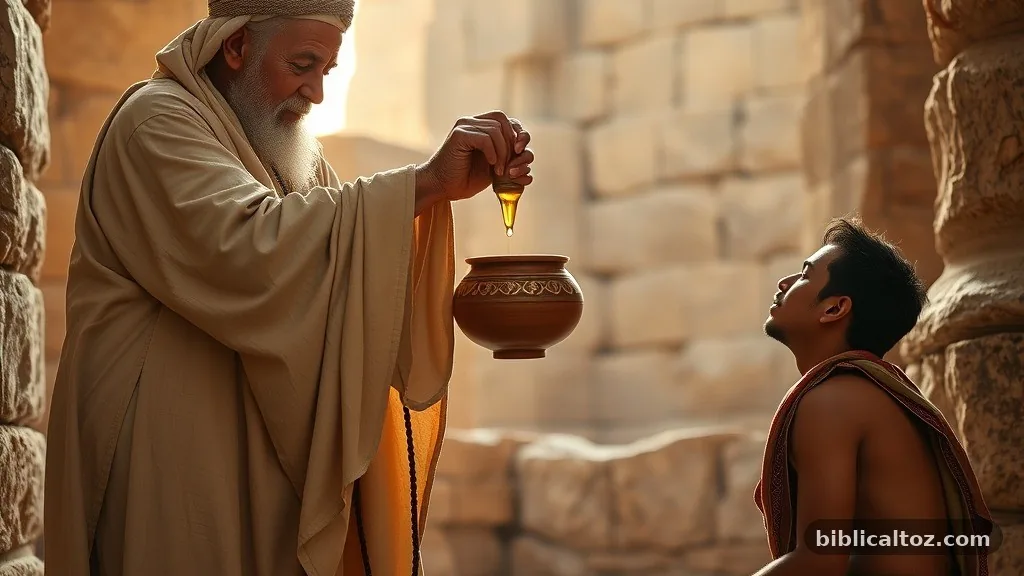
In the Old Testament, the act of pouring oil upon the heads of kings and priests was a standard practice. It served as a visual confirmation that the Lord had chosen them for leadership. By receiving this oil, the recipient was symbolically covered in the authority and protection necessary to serve their community, reflecting the belief that their power was not derived from themselves, but from a higher source.
Oil as a Symbol of the Holy Spirit
As the narrative moves into the New Testament, the symbolism shifts toward the internal transformation of the believer. The Holy Spirit is frequently associated with oil, acting as an inner light that guides and sustains the faithful. Just as oil fueled the lamps that prevented darkness from overtaking the sanctuary, the presence of the Spirit is viewed as the internal fuel for a life of faith.
The Connection to Jesus

The very title “Christ” translates to “the Anointed One.” This identifies Jesus as the ultimate recipient of the spirit’s power, fulfilling the ancient patterns established by the prophets. For those who follow His teachings, the presence of oil serves as a reminder that they, too, are invited to walk in the light of the Spirit, ensuring they are equipped for the challenges they face in the world.
Healing and Restoration
Beyond leadership and spiritual empowerment, oil is frequently linked to restoration and comfort. In the ancient world, it was common to apply oil to soothe skin or treat injuries. This physical application became a metaphor for the healing touch of God upon the brokenhearted or the physically afflicted.
The Prayer of Faith
In the New Testament, there is an explicit instruction to pray for the sick while anointing them with oil. This practice is not intended to suggest that the oil itself possesses magical properties. Instead, it acts as a tangible sign of faith, acknowledging that healing and restoration are gifts that come from the Lord. It serves as an invitation for the community to gather, support the suffering, and trust in a power greater than human effort.