Fire Symbolism in the Bible: Meanings and Significance
Fire serves as one of the most dynamic and multifaceted motifs throughout scripture, appearing hundreds of times to illustrate both the destructive power and the refining grace of the divine. Because it can simultaneously warm, illuminate, and consume, its presence in the text often signals a profound encounter between the human and the transcendent.
The Divine Presence and Manifestation
In many scriptural accounts, the appearance of fire is synonymous with the immediate presence of the Lord. It serves as a visual bridge, signaling that the Creator is actively engaging with his people.
The Pillar of Fire
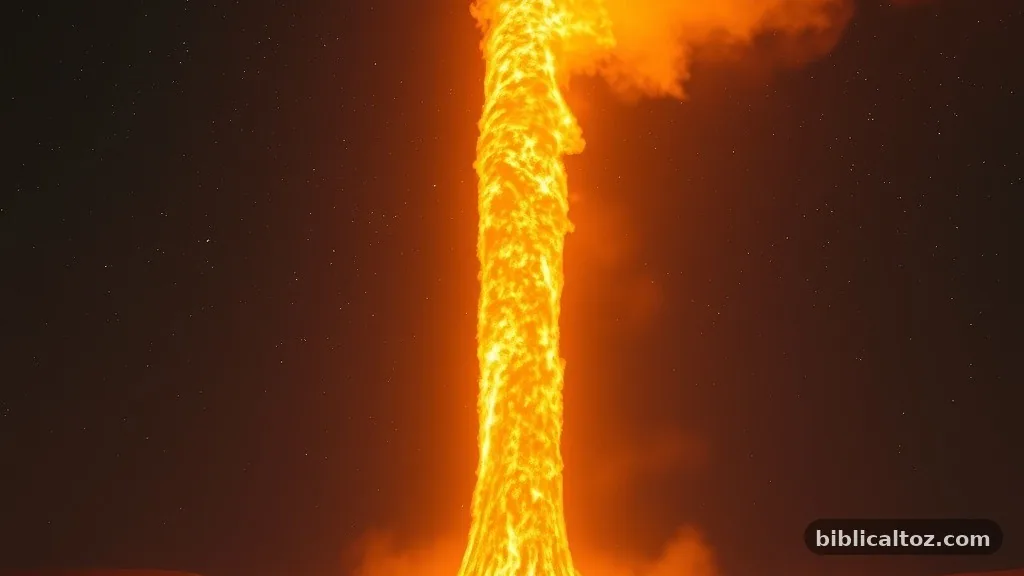
During the Exodus, the Israelites were guided through the wilderness by a pillar of cloud by day and a pillar of fire by night. This manifestation provided more than just physical light; it offered constant assurance that the divine was leading their journey. The flame acted as a boundary, protecting the people from their enemies while marking the path toward their destination.
Mount Sinai and the Burning Bush
When the Lord spoke to Moses from the burning bush, the fire represented a holy encounter that did not consume the object it inhabited. This paradox—a flame that burns without destroying—emphasizes that the divine nature is set apart. Later, when the law was given on Mount Sinai, the mountain was covered in smoke and flame, reinforcing the terrifying majesty and holiness of the encounter.
Purification and Refining
Beyond representing presence, fire is frequently used as a metaphor for the refining process. Just as a refiner uses heat to separate precious metals from impurities, the Bible suggests that life’s trials serve to purify the character of the faithful.
The Refiner’s Fire

The imagery of a burning furnace is often linked to the idea of cleansing. By passing through the flame, the dross is burned away, leaving behind something more valuable and resilient. This process is rarely comfortable, yet it is presented as a necessary step for those who wish to walk in integrity.
Judgment and Consequences
Not all instances of fire are constructive. In prophetic literature, such as the visions recorded by Ezekiel, fire is frequently associated with the judgment of wickedness. It acts as a tool of justice, stripping away falsehoods and holding individuals or nations accountable for their actions. This destructive aspect serves as a stark reminder of the gravity of turning away from the path of righteousness.
The Holy Spirit and Transformation
In the New Testament, the symbolism shifts toward the internal transformation of the believer. The flame becomes a representation of zeal, empowerment, and the living reality of the spirit.
Pentecost and Tongues of Flame

The most notable New Testament instance occurs in the book of Acts, where the Holy Spirit descends upon the disciples in the form of divided tongues of fire. This event marked a turning point, empowering the early believers to carry their message across the world. Unlike the destructive fire of judgment, this flame was transformative, igniting a passion for the gospel that could not be suppressed.
The Contrast with Water
While fire is often associated with intensity and zeal, it is frequently balanced in scripture by the symbolism of water. If fire represents the active, consuming power of the spirit and the refining heat of trials, water often represents the cleansing, life-giving, and renewing grace of baptism and restoration. Together, these elements capture the full spectrum of the human experience in relation to the divine.
The Love of Christ
Ultimately, the biblical narrative connects the concept of fire to the intensity of love. The burning heart is a common metaphor for the devotion that Jesus inspires in his followers. When believers describe their experience of the faith, they often refer to a fire that keeps them motivated to act with kindness and courage. This internal flame is not meant to be kept to oneself but is intended to be a light that shines for others, reflecting the warmth and guidance of the one who first ignited it.