Stones in the Bible and Their Meanings: A Symbolic Journey
The presence of stones in the Bible carries profound weight, serving as markers of divine encounters, symbols of strength, and representations of the covenant between God and His people. Throughout the scriptures, these objects move beyond mere geological features to become vessels of spiritual truth, commemorating moments where the finite meets the infinite.
The Significance of Memorial Stones
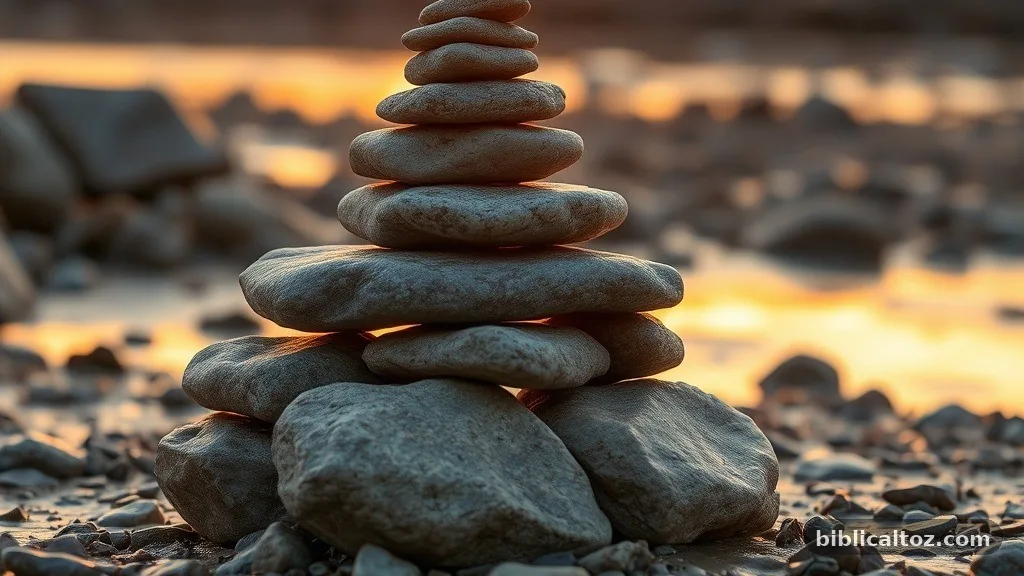
In the Old Testament, physical rocks were frequently used to commemorate significant events or divine interventions. When the Israelites crossed the Jordan River, Joshua instructed them to take twelve stones from the riverbed to build a memorial. This act ensured that future generations would remember how God dried up the waters, cementing the identity of Israel as a people sustained by miraculous grace.
These markers functioned as tangible reminders of God’s faithfulness. By setting up these stones, the people created a site of worship, transforming a natural landscape into a place of remembrance. They were not objects of idolatry, but rather visual tools to prompt storytelling and reflection on the history of the covenant.
The Breastplate of the High Priest
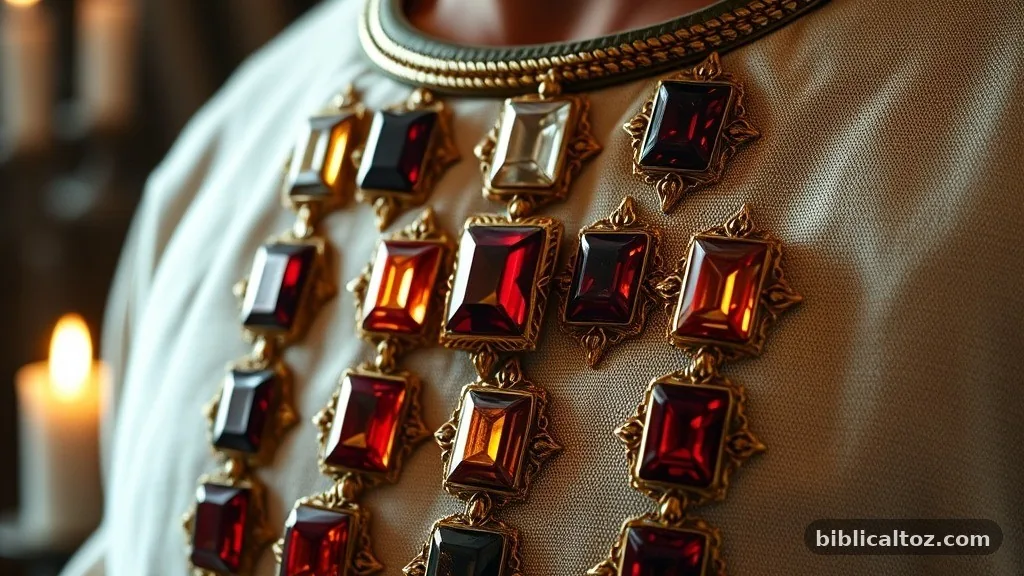
Perhaps the most famous collection of minerals in the Bible is found in the garments of the high priest. Exodus describes a breastplate inlaid with twelve distinct gemstones, each representing one of the twelve tribes of Israel. These were not chosen for their decorative value alone; they were intended to be worn over the heart as the priest entered the presence of God.
The Arrangement and Symbolism
The stones were set in four rows of three, creating a structured display of divine order. While specific identification of ancient stones remains a subject of scholarly debate, the list includes gems like jasper, sapphire, emerald, and topaz. Each stone symbolized the unique characteristics and roles of the tribes, unified under the collective care of the priesthood and the authority of the Almighty.
Christ as the Cornerstone
The New Testament shifts the focus of stone symbolism toward the person of Jesus. In several passages, Christ is referred to as the “chief cornerstone,” a term borrowed from ancient masonry. A cornerstone was the first stone laid in a foundation, determining the alignment and stability of the entire building.
By applying this metaphor to Jesus, the writers of the New Testament emphasize that He is the structural foundation of the faith. Just as a building cannot stand without a plumb cornerstone, the spiritual life of a believer is anchored in the identity of Christ. This imagery highlights the transition from physical altars to a spiritual foundation built upon a person rather than a place.
Gemstones in the New Jerusalem
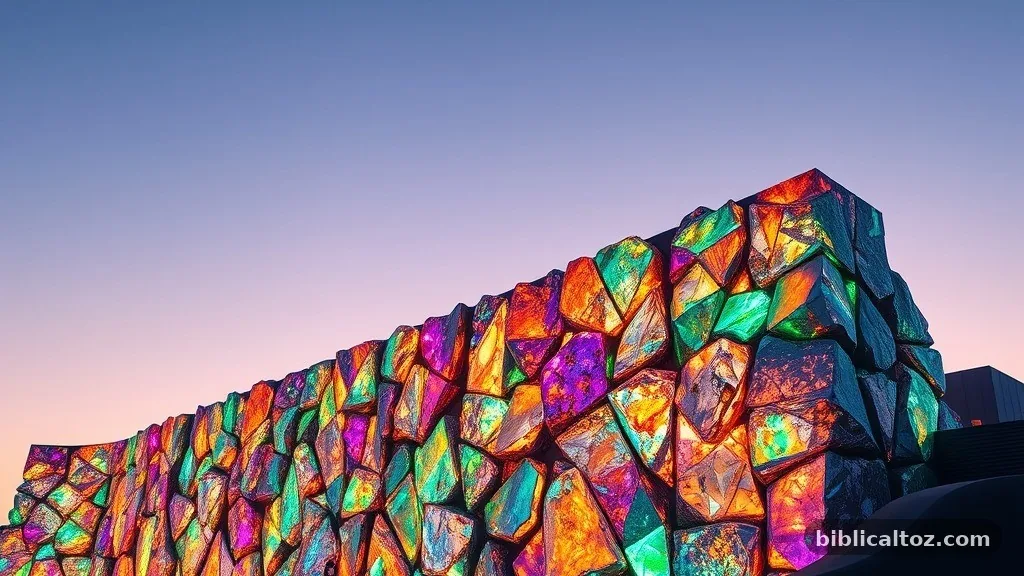
The book of Revelation offers a vivid, apocalyptic vision of the New Jerusalem, where precious stones are used to describe the beauty and holiness of the eternal city. The foundations of the city walls are adorned with various jewels, including jasper, sapphire, and chalcedony. This imagery serves to communicate the immense value and purity of God’s dwelling place.
The Representation of Divine Perfection
The use of these stones in the final vision of the Bible signifies a restoration of the relationship between God and humanity. Unlike the temporary altars of the past, these foundations are permanent and radiant. The mention of jasper—often associated with clarity and brilliance—suggests that the presence of the divine is characterized by light and incorruptibility, reflecting the ultimate fulfillment of the promises made throughout the biblical narrative.
Interpreting Stones in Modern Contexts
Many readers today wonder about the spiritual meaning of stones in dreams or personal reflection. While the Bible does not provide a dictionary for these symbols, it does provide a framework for how to view them: as reminders of God’s nature. Whether it is a stone of stumbling or a stone of remembrance, the focus remains on the relationship between the individual and the Creator.
When engaging with the concept of precious stones mentioned in scripture, it is helpful to look at the context of their use. They are almost always associated with service, remembrance, or the manifestation of God’s glory. Viewing them through this lens helps modern readers appreciate why these elements were chosen to illustrate deep, lasting spiritual truths.