Animals in the Bible and Their Meanings
The presence of animals in the Bible provides a rich tapestry of symbolism, metaphor, and divine instruction. From the very beginning of creation, creatures have played a pivotal role in illustrating the relationship between humanity, the natural world, and God. By examining these mentions, readers can gain deeper insight into the theological lessons embedded within scripture.
Symbolic Significance of Key Creatures
Throughout the Old and New Testaments, specific creatures are frequently used to represent divine attributes or human conditions. These symbols often bridge the gap between the physical world and spiritual truths.
The Lamb and the Lion
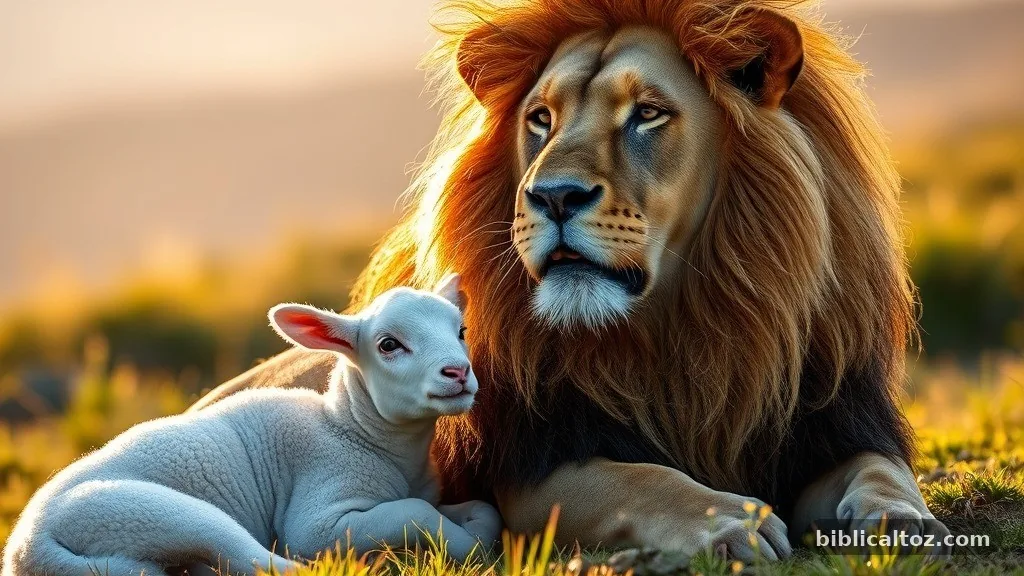
The lamb is perhaps the most iconic animal in the biblical narrative. It symbolizes innocence, sacrifice, and the ultimate atonement for sin. In the context of the New Testament, the lamb is directly linked to Jesus, who is portrayed as the perfect sacrifice. Conversely, the lion often represents power, royalty, and authority. While the lion can symbolize danger, it also represents the “Lion of the Tribe of Judah,” highlighting the strength and sovereignty of Christ.
The Serpent as a Biblical Symbol
The serpent appears early in the text as a symbol of deception, temptation, and the fall of man. Its presence in the Garden of Eden marks a turning point in the human story. However, biblical imagery is complex; elsewhere, bronze serpents are used as instruments of healing, showing that symbols can carry nuanced meanings depending on the context of the passage.
Animals in the Context of Law and Ritual
The Old Testament, particularly the book of Leviticus, outlines specific instructions regarding the treatment and use of creatures within the ancient Israelite community. These regulations served both practical and spiritual purposes, emphasizing cleanliness, holiness, and the importance of stewardship.
Sacrificial Requirements
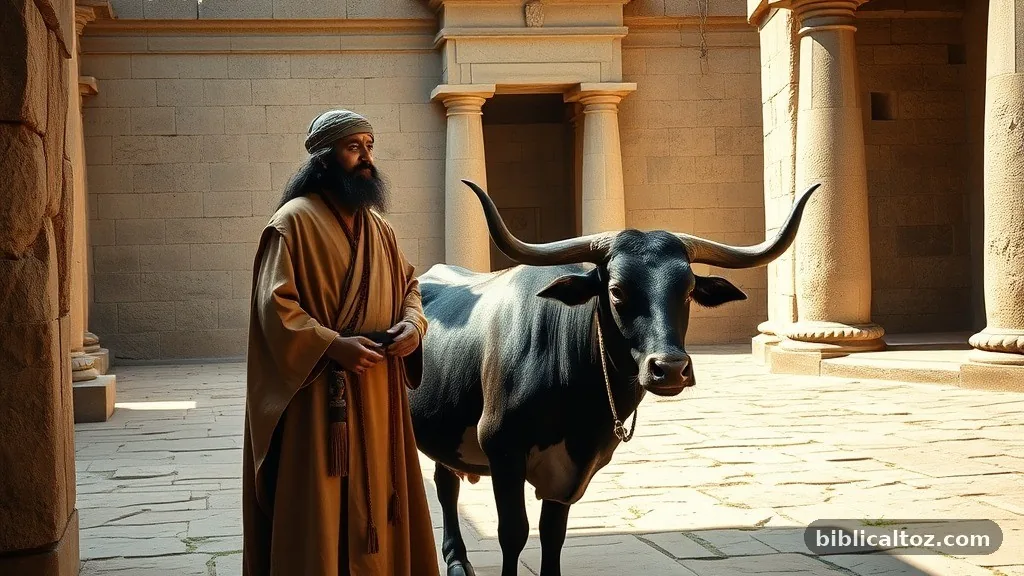
In ancient Israel, specific animals were designated for temple offerings. These requirements were not arbitrary; they often demanded the best of the flock, reinforcing the idea that one should offer their finest to the Creator. These rituals served as a constant reminder of the cost of sin and the need for reconciliation.
Dietary Laws and Cleanliness
Leviticus provides detailed lists distinguishing between clean and unclean creatures. While these laws were foundational for the dietary habits of the people, they also served as a cultural boundary, setting the Israelites apart. These scriptures reflect a divine order that permeated every aspect of daily life, including what was considered fit for consumption.
Humanity’s Relationship with the Natural World
The Bible consistently portrays humans as stewards of the earth. From the moment God charged humanity with naming the creatures, there has been an inherent responsibility to care for the environment.
Stewardship and Compassion
Scripture often speaks to the compassionate treatment of living beings. The text says that a righteous man cares for the needs of his animal, suggesting that kindness toward creatures is a reflection of a person’s character. This responsibility extends beyond utility; it is a recognition of the value of all life as part of the divine design.
Perceptions of Dogs and Domestic Animals
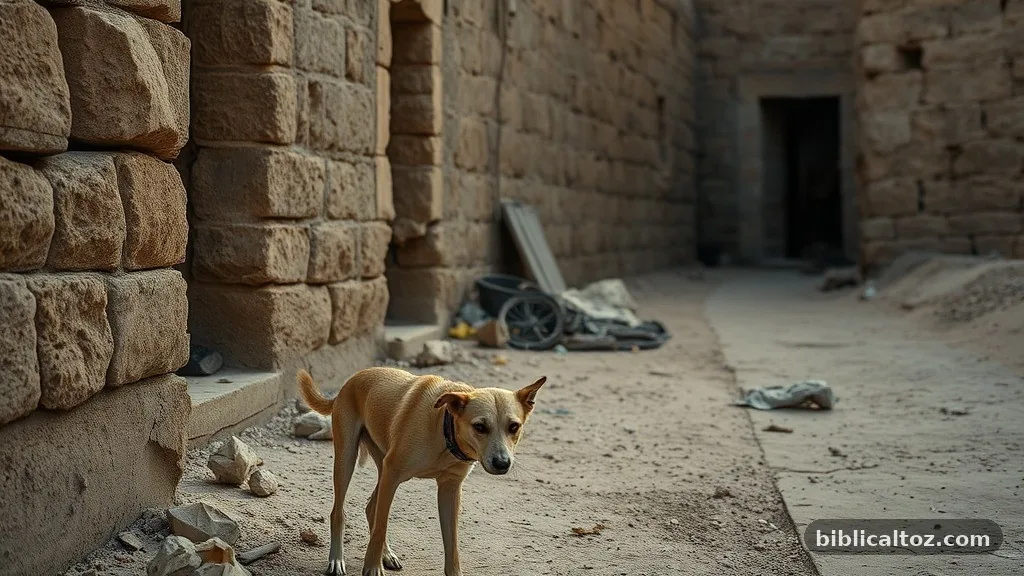
In the ancient Near Eastern context, domestic animals like dogs were often viewed differently than the modern concept of a pet. They were frequently associated with wildness or uncleanness, appearing in passages that emphasize protection or, conversely, low status. Understanding these cultural differences is essential for interpreting how these creatures are used to convey moral lessons in the text.
The Eternal Perspective on Creatures
Many readers ask what happens to these creatures in the afterlife or in the ultimate vision of the future. While the Bible is primarily focused on the salvation of humanity, it does offer glimpses of a restored world.
A Vision of Harmony
Prophetic literature often paints a picture of peace where the natural order is restored. Descriptions of wolves living with lambs and leopards lying down with goats suggest a future where the hostility inherent in the current fallen world is removed. This vision reinforces the idea that the entirety of creation is included in the ultimate plan for reconciliation.
The Value of Creation
Ultimately, the frequency with which these beings appear in the narrative underscores their importance in the divine framework. Whether used as metaphors for human behavior, objects of sacrifice, or examples of God’s providential care, they remain vital components of the biblical story. By studying these references, one can see more clearly how every part of the living world is woven into the broader message of faith.