The Number 100 Meaning in the Bible
The number 100 meaning in the Bible is frequently associated with the concept of divine fullness, completion, and the fruition of God’s promises. Throughout scripture, this numerical value appears in contexts that highlight the transition from human limitation to miraculous abundance. By examining how this figure is used in historical and prophetic narratives, readers can gain insight into how it signifies a season of harvest and spiritual maturity.
Symbolism of Fullness and Completion
In biblical numerology, the number one hundred often denotes a state of being “full” or reaching the end of a specific cycle. It is frequently linked to the end of a long period of waiting, marking the point where God’s providence intervenes in human affairs.
The Promise to Abraham
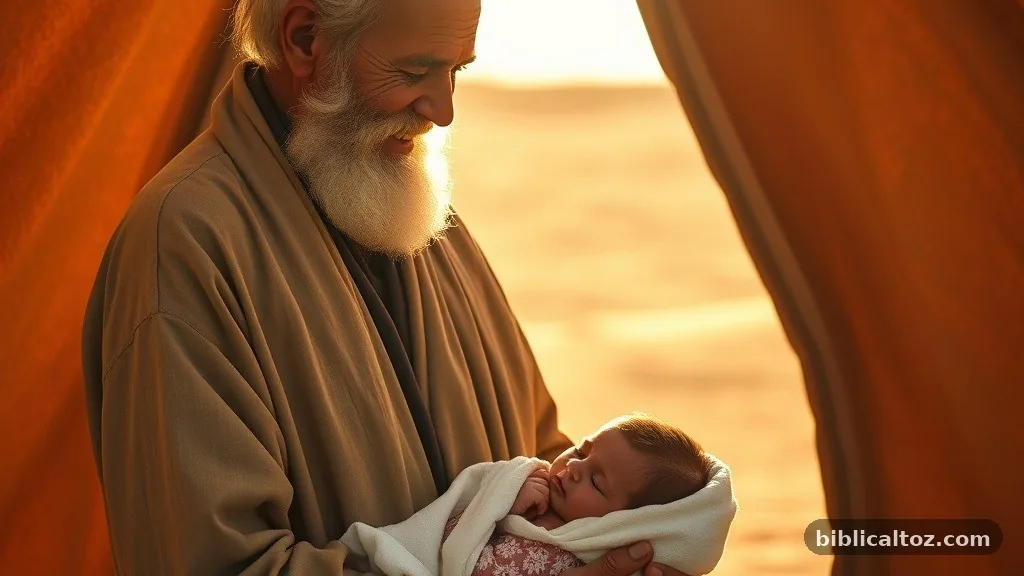
One of the most prominent instances of this figure occurs in the book of Genesis. When Abraham was one hundred years old, he saw the fulfillment of God’s long-standing promise regarding the birth of his son, Isaac. This event serves as a primary example of how the number represents the completion of a divine timeline. Despite the physical reality of being an old man, Abraham witnessed the power of God, proving that no promise is too difficult for the Creator to fulfill.
Generational Blessings and Longevity
The Bible also uses the number to describe the fullness of life. When patriarchs like Abraham were described as having “filled days,” it often implies that they lived until their purpose was complete. This numerical marker suggests that a life lived in accordance with divine wisdom reaches a state of wholeness, where the individual has seen their legacy established and their spiritual duties concluded.
The Concept of the Hundredfold Harvest
The New Testament introduces a powerful agricultural metaphor that deepens the understanding of this number. In the Gospel of Matthew, the parable of the sower illustrates the varying degrees of spiritual productivity.
Spiritual Fruitfulness
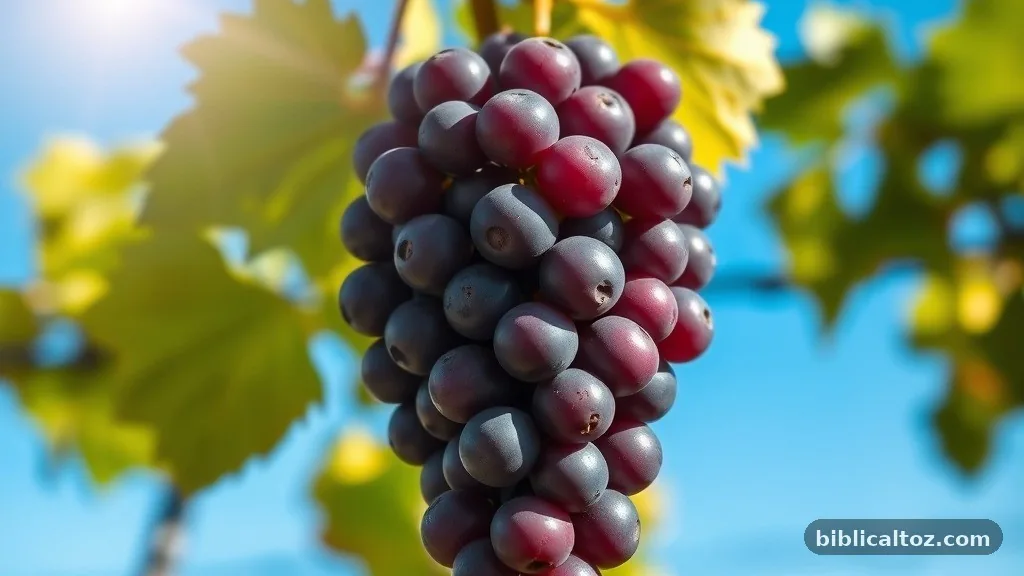
The idea of a “hundredfold” return is used to describe the immense impact of a heart that is receptive to the word of God. When seed falls on good ground, it produces grain in different measures, with the hundredfold return representing the maximum level of spiritual abundance. This illustrates that the number is not merely a mathematical digit but a symbol of the overflow that occurs when one aligns with divine principles.
Divine Provision and Silver
In various accounts throughout the Old Testament, the number appears in the context of offerings and temple service. For instance, the use of one hundred talents of silver in the construction of the tabernacle demonstrates how specific quantities were set aside for holy purposes. These measurements highlight the importance of precision and dedication in service to God, reflecting a total commitment of resources to the house of worship.
Prophetic Significance and Future Hope
Beyond historical accounts, the number one hundred carries prophetic weight, often pointing toward a future restoration or a time of divine judgment and grace.
The Restoration of Israel

Prophetic literature often utilizes numbers to convey the scope of God’s plan for the future. While some interpretations focus on the literal passage of time, others see the number as a symbol of a “full” generation. When the scriptures mention that a child shall not die before their time or that a person shall live to a ripe age, it signifies a restoration of the natural order that was disrupted by sin.
Meaning Beyond the Literal
It is helpful to remember that while the number appears in historical records, its spiritual significance often transcends the literal count. Whether it refers to the years of a person’s life or the measure of a harvest, the number one hundred consistently points toward the sovereignty of God. It encourages the believer to trust that even when a situation seems impossible—much like the situation of a man who is one hundred years old—God’s timing is perfect and His provision is complete.