The Significance of the Number 12 in the Bible
The significance of the number 12 in the Bible is widely recognized by scholars and theologians as a symbol of divine government, authority, and perfection. Appearing hundreds of times throughout scripture, this digit serves as a foundational element in understanding how God organizes His relationship with humanity. By examining its recurrence, we gain a clearer perspective on the structural harmony present within biblical narratives.
Divine Authority and Governance
In the biblical context, the number 12 often represents the establishment of order. It is frequently linked to the administration of God’s will on earth, acting as a signature of His sovereignty.
The Twelve Tribes of Israel
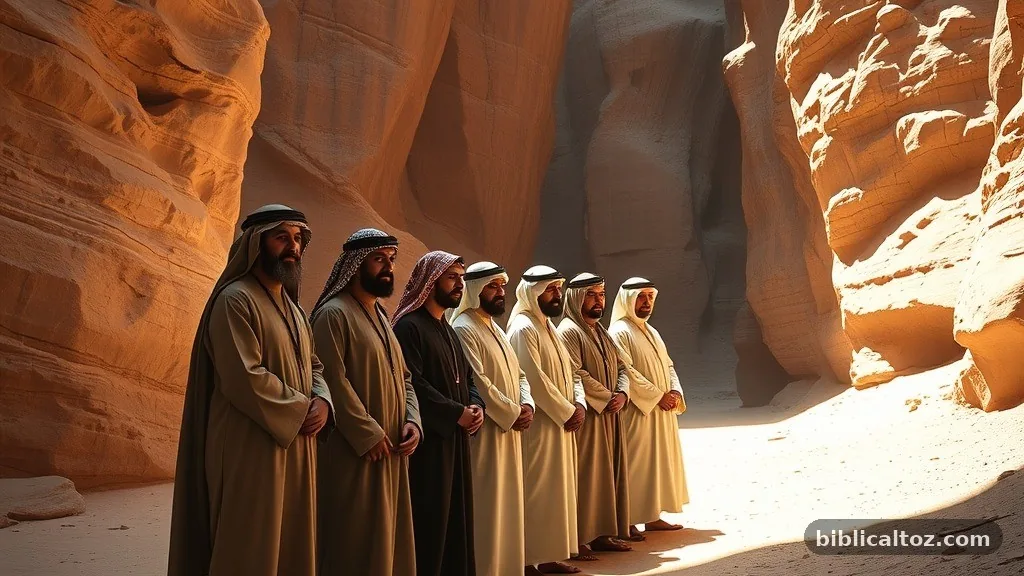
The most prominent example of this numerical pattern is found in the Old Testament with the twelve tribes of Israel. These tribes represent the complete nation chosen by God to bear His name and follow His laws. This grouping was not arbitrary; it served as a framework for the physical and spiritual organization of the people, ensuring that every clan had a designated place and purpose under the divine covenant.
The Apostles of Jesus
In the New Testament, the selection of twelve apostles by Jesus reinforces this theme of governance. By choosing exactly twelve men, Jesus signaled a restoration of the nation of Israel and the beginning of a new administrative era. These apostles were tasked with foundational roles, carrying the authority of the ministry into the world to spread the gospel and establish the early church.
Symbolism of Perfection and Completion
Beyond governance, the number 12 is frequently associated with spiritual wholeness. It marks the transition from human limitation to divine completeness, often acting as a bridge between heaven and earth.
Cycles of Time and Nature

The connection between the number 12 and cycles is evident in both nature and scripture. Just as there are twelve months in a year, the Bible utilizes this number to denote a full cycle of time or a completed epoch. This suggests that when God works through these intervals, He is bringing His plans to a state of total maturity.
Prophetic Imagery in Revelation
The book of Revelation is rich with numerical symbolism, and the number 12 appears repeatedly to describe the perfection of the eternal city. The New Jerusalem is depicted with twelve gates, twelve foundations, and the tree of life bearing twelve crops of fruit. These descriptions use the number to communicate that the heavenly city is perfectly ordered, secure, and eternally complete under the presence of God.
Biblical Patterns and Numerical Relationships
While individual numbers carry weight, they often interact with other values to add depth to the message of a passage. Understanding these relationships can help clarify complex theological concepts.
The Intersection with Three and Four
Many scholars note that 12 is the product of three and four, two other numbers with heavy symbolic weight in the Bible. The number three typically represents the Trinity and divine perfection, while four signifies the earth, the four corners of the world, or the entirety of creation. Therefore, the number 12 can be interpreted as the intersection of God’s divine nature with the physical world, representing His total involvement in the lives of His people.
Frequency and Distribution
If you look through the text of the Bible, you will find that these occurrences are rarely coincidental. From the twelve baskets of leftovers after the feeding of the five thousand to the twelve stones used by Joshua to cross the Jordan, these instances are intentional markers. They serve as a constant reminder that God is a God of order, providing structure and security to those who follow His path. By studying these patterns, readers can better appreciate the intentionality woven into the fabric of the biblical record.