How Jesus Taught Us to Pray: 15 Biblical Lessons
Finding a genuine connection with the divine often starts by looking at how Jesus taught us to pray. Throughout the Gospels, he didn’t just offer abstract theology; he provided concrete examples and direct instructions that transform the way we approach heaven.
Whether you are seeking a deeper relationship with your creator or simply want to understand the mechanics of meaningful conversation with God, these fifteen principles offer a roadmap. By examining his words and his own prayer life, we discover that talking to the Father is less about using perfect language and more about cultivating a posture of humility, persistence, and total reliance on his grace.
Foundations of Sincere Communication
1. Approach God as a Loving Father

Jesus shifted the paradigm of prayer by teaching us to address the Almighty as “Father.” This intimate language removes the distance between humanity and the divine, inviting us into a relationship defined by trust rather than fear.
2. Keep Your Requests Simple
He explicitly warned against using “vain repetitions” like the Gentiles do, believing they will be heard for their many words. Instead, he taught that our Father knows exactly what we need before we even ask him, making brevity and honesty the hallmarks of true devotion.
3. Seek the Kingdom Above All
The primary focus of any conversation with God should be the advancement of his kingdom and the alignment of our will with his. When we prioritize his purposes, our personal concerns naturally find their proper place within his larger, sovereign plan for our lives.
Attributes of a Faithful Heart
4. Forgive Others to Receive Forgiveness

One of the most challenging aspects of the Lord’s Prayer is the condition that we must forgive those who trespass against us. Jesus emphasized that a heart harboring bitterness cannot truly receive the grace it needs to function in a relationship with God.
5. Pray with Unwavering Persistence
Through parables like the persistent widow, Jesus illustrated that we should not give up when answers seem delayed. Persistence is not about nagging God; it is about demonstrating our faith that he is the ultimate source of justice and provision.
6. Maintain a Secret Life of Worship
Jesus often withdrew to lonely places to pray, away from the eyes of others. He taught that the most authentic prayers happen in private, where we are not performing for the approval of other people but are solely focused on the heart of the Father.
- Identify a quiet space in your home for daily reflection.
- Write down your requests to track how they evolve over time.
- Practice silence before speaking to center your thoughts on God.
- Read the Psalms to find language for your own emotions.
Principles of Effective Petitioning
7. Ask in Faith Without Doubting
Jesus promised that whatever we ask in his name, believing, we will receive. This requires a level of trust that views God as both willing and able to intervene in our daily lives, regardless of the size of the obstacle.
8. Align Your Desires with God’s Will
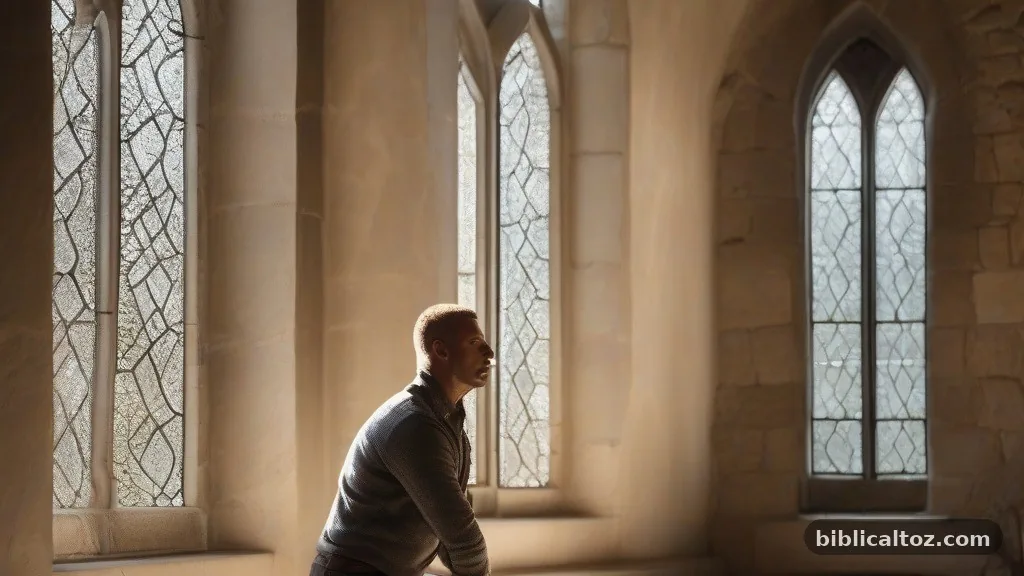
While we are encouraged to ask for our daily bread, the ultimate test of our prayer life is our willingness to submit to the Father’s design. If a request contradicts his character or his kingdom, we must be prepared to accept his “no” as a form of divine protection.
9. Pray for Your Enemies
Perhaps the most radical instruction is to pray for those who persecute you. This practice breaks the cycle of vengeance and mirrors the character of the Father who sends rain on the just and the unjust alike.
| Prayer Element | Primary Focus | Expected Outcome |
|---|---|---|
| The Lord’s Prayer | God’s Will/Provision | Spiritual Alignment |
| Private Prayer | Intimacy/Honesty | Inner Peace |
| Intercession | Others/Needs | Community Growth |
Overcoming Obstacles in Devotion
10. Avoid Religious Showmanship
Jesus sharply criticized those who stood on street corners to be seen by others. He taught that the reward for such public displays is merely the fleeting praise of men, whereas the reward for sincere, private prayer comes directly from God.
11. Come with a Humble Spirit
In his comparison of the Pharisee and the tax collector, Jesus showed that God hears the humble who acknowledge their need for mercy. Pride acts as a barrier to communion, while humility opens the door to receiving divine favor.
12. Rely on the Holy Spirit

Jesus assured his disciples that the Father is eager to give the Holy Spirit to those who ask. This gift is the ultimate resource for understanding how to pray when we do not know what we ought to say.
13. Trust in God’s Goodness
He used the analogy of a human father giving good gifts to his children to explain that God is even more generous. Understanding this character trait helps us approach him with confidence rather than suspicion.
14. Keep Your Heart Free from Bitterness
Jesus taught that if you are standing before the altar and remember that someone has something against you, you should leave your gift and go be reconciled first. Relationships with others directly impact the quality of our relationship with God.
15. Use the Lord’s Prayer as a Template
The prayer Jesus gave his disciples serves as a perfect structure for our own daily rhythm. By starting with adoration, moving to submission, and ending with personal needs and protection, we cover the essential bases of a balanced spiritual life.
Frequently Asked Questions
What is the most important part of the Lord’s Prayer?
The most important part is the alignment of our will with God’s. By saying “thy kingdom come, thy will be done,” we surrender our own selfish desires to ensure we are walking in step with his divine purpose rather than trying to force our own agenda.
How can I stay focused while praying?
Try praying out loud or writing your prayers down. When your mind wanders, bring it back to a specific attribute of God or a scripture passage. It is also helpful to keep your prayers concise rather than trying to sustain long, rambling monologues.
Does God answer every single prayer?
God hears every prayer, but he answers according to his wisdom and his sovereign will. Sometimes the answer is “yes,” sometimes it is “no,” and sometimes it is “wait.” Trusting his character is essential when the answer isn’t what you expected.
Why did Jesus go to lonely places to pray?
He sought silence to minimize distractions and focus entirely on his connection with the Father. It allowed him to recharge, seek guidance for his ministry, and maintain a posture of humility away from the constant demands of the crowds.
Refining Your Daily Practice
Integrating these lessons into your life doesn’t require a radical change overnight. Start by setting aside five minutes each morning to pray with sincerity, focusing on the Father’s character rather than your list of wants. As you continue to practice these principles, you will likely notice a shift in your perspective, where your anxieties are replaced by a steady, quiet confidence in God’s providence.
Remember that prayer is a conversation, not a transaction. By returning to these biblical foundations, you can cultivate a rhythm of grace that sustains you through every season.
If you feel stuck, simply begin by acknowledging your need for him and asking for the guidance of the Spirit. May your journey toward a more intentional life of faith be marked by the peace that comes from truly knowing the Father.