The Lord’s Prayer Explained: Meaning, Origin & Usage
When you open the pages of the Gospels, you encounter a request from the disciples that resonates through the centuries: Lord, teach us to pray. They recognized that Jesus possessed a unique intimacy with the Father, and they longed to mirror that connection in their own lives.
Having the Lord’s Prayer explained provides more than just a set of words to recite; it offers a blueprint for how we relate to God, how we view our daily needs, and how we extend grace to others. By looking closely at this model, you can transform your communication with the Creator into a conversation that shapes your character and anchors your soul.
What The Lord’s Prayer Actually Means
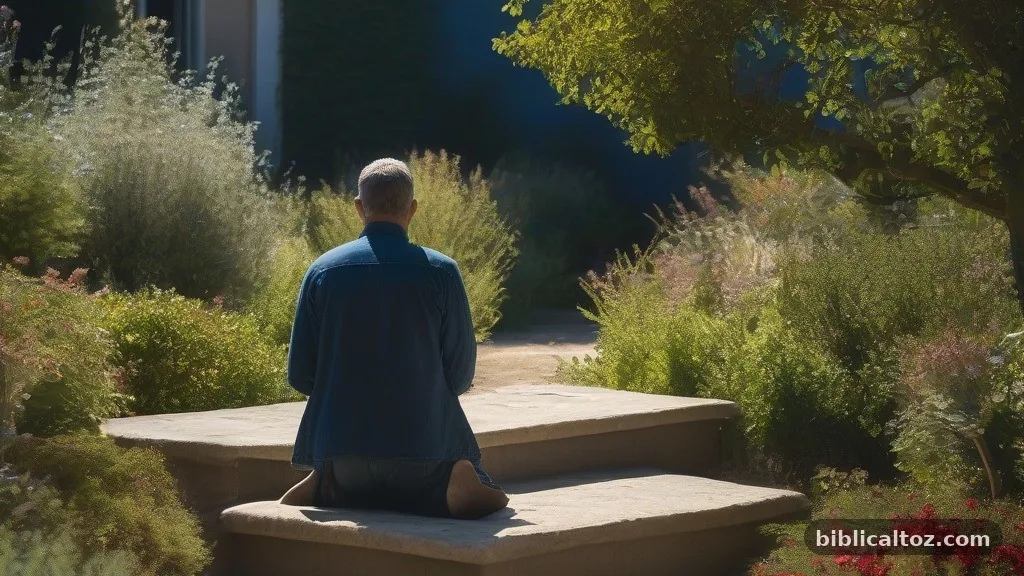
At its core, this prayer is a template for balanced spiritual life. Jesus provided this structure to ensure that our requests remain aligned with heaven’s priorities rather than being consumed solely by our personal desires.
When we pray, we are invited to acknowledge the holiness of God, submit to His leadership in our lives, and express our total dependence on Him for both physical and spiritual sustenance. It is not a magic formula or a ritualistic chant, but a heartfelt realignment of our human will with the divine purpose.
Biblical Context and Historical Roots

The teaching appears in two distinct accounts within the New Testament: Matthew 6:9-13 and Luke 11:2-4. In Matthew, Jesus delivers these words during the Sermon on the Mount, positioning them as the antidote to the performative, public displays of piety common among the religious leaders of the time. In Luke, the setting is more intimate; the disciples observe Jesus praying and ask Him for instruction, prompting Him to give them a concise version of this model.
The cultural backdrop is deeply Jewish. Jesus utilized the language of the kingdom, the hallowing of a name, and the concept of daily bread, all of which would have been deeply familiar to His listeners.
By stripping away the religious jargon often used by the Pharisees, Jesus invited His followers into a radical, familial relationship, addressing God as “Father.” This was a revolutionary shift in the ancient world, moving prayer from a distant, transactional duty to an immediate, relational encounter.
Applying the Teachings to Daily Life
Integrating these petitions into your daily routine helps you maintain a healthy perspective on your responsibilities and relationships. Each line serves as a check-and-balance for your heart.
When you acknowledge God as Father, you affirm your identity as a child of God. When you pray for His will to be done, you release the anxiety of trying to control every outcome in your life.
A Framework for Reflection
- Hallowing His Name: Start by reflecting on God’s character rather than your immediate problems.
- Seeking His Kingdom: Evaluate how your daily decisions reflect the values of heaven.
- Daily Bread: Practice gratitude for the provision you have rather than focusing on what you lack.
- Forgiveness: Actively release grudges against others to maintain a clear channel for your own peace.
Common Misunderstandings Regarding Prayer

Many people approach this prayer with misconceptions that can hinder its impact. Below is a breakdown of common thoughts versus what scripture actually teaches.
| What People Think | What Scripture Teaches |
|---|---|
| It must be recited word-for-word to be heard. | It is a model for the heart’s attitude, not a mandatory script. |
| God needs to be reminded of my needs. | God knows our needs before we ask; prayer is for our benefit. |
| Forgiveness is a one-time event. | We are called to a lifestyle of forgiving others daily. |
| Prayer changes God’s mind. | Prayer changes our hearts to align with God’s perfect plan. |
Practical Action Plan

- Begin each morning by reciting the prayer slowly, pausing to meditate on each phrase.
- Choose one specific area of your life to submit to God’s will each day.
- Identify someone you are struggling to forgive and pray for their well-being.
- Keep a journal of how God provides your daily needs throughout the week.
- End your day by thanking God for one way His kingdom was visible in your life.
Supporting Scriptures
For further study, consider these passages:
- Matthew 7:7 – Encouragement to keep asking.
- Philippians 4:6 – Replacing anxiety with prayer.
- 1 John 5:14 – Praying according to His will.
- Colossians 3:13 – Forgiving as we have been forgiven.
- James 5:16 – The power of honest, earnest prayer.
- Psalm 103:1 – Blessings from a thankful heart.
- Romans 8:26 – The Spirit helping us in our weakness.
- Hebrews 4:16 – Approaching the throne of grace with confidence.
Frequently Asked Questions
Is it wrong to use the exact words of the prayer?
Not at all. Many find comfort in the rhythm of these specific words. The danger arises only when we treat them as a hollow ritual rather than a sincere expression of faith.
How often should I pray this?
There is no set requirement. However, using it as a starting point for your morning or evening devotions can help establish a consistent habit of turning your focus toward God.
What if I don’t feel like I’m doing it right?
God looks at the heart, not the eloquence of your speech. Even a simple, broken prayer is heard by the Father who loves you.
Why does Jesus mention forgiveness specifically?
Unforgiveness creates a wall between us and God. By including this in the prayer, Jesus ensures we remain aware of our need for His grace and our duty to share it.
Does this prayer cover everything I need to ask for?
It covers the essentials: God’s glory, His kingdom, our physical needs, and our spiritual well-being. It is a perfect, comprehensive summary.
Can this prayer help me make better decisions?
Yes. By aligning your heart with “Thy will be done,” you become more sensitive to the Holy Spirit’s guidance in your daily choices and relationships.
May the peace of God fill your heart as you practice these words. Having the Lord’s Prayer explained is only the beginning of a journey; the real transformation happens when you start living out these petitions in your relationships and choices. As you continue to walk in faith, remember that you are never praying alone.
The Creator of the universe is listening to you right now. Take a moment today to stop, breathe, and simply talk to your Father.